




























Pebble seeks to remedy the wearable industry's original sin

As soon as I held the Pebble Round 2 in my hand, I suddenly realized what I’d been missing for the better part of a decade. I’ve always felt smartwatches should supplement, rather than supplant, your phone, but that’s an attitude that feels almost quaint these days. After all, Apple and Samsung believe everyone wants a watch that can do almost everything your phone can do. But that wasn’t the prevailing opinion at the dawn of the smartwatch era, either philosophically or from limitations in the technology. Back then, companies like Pebble, Vector, Basis and others all built devices that added a second screen to the device in your pocket, and were all the better for it. Thankfully, Pebble founder Eric Migicovsky agrees, and if his project to revive the company is successful, perhaps we’ll once again see these alternative approaches flourish. The first step on this very long road is the Pebble Round 2, which aims to be the standard bearer for a new generation of comparatively less smart, but fundamentally more useful, smartwatches.
Round 2 was announced on January 2, and is the second product in Core Devices’ (Migicovsky’s new company) lineup of revived Pebbles. The first was the revamped Time 2, aping the form of its more successful predecessor, while the Round 2 is an attempt to correct the mistakes of 2015’s Pebble Time Round. That watch, when it debuted, was met with disappointment from critics who loved its aesthetics but little else. Back then, building a Pebble with a round face required plenty of compromise, including a higher price, shorter battery life, fewer features and a massive bezel. A decade on, and the technology has come along sufficiently to render such compromises moot, making for a much better device overall.
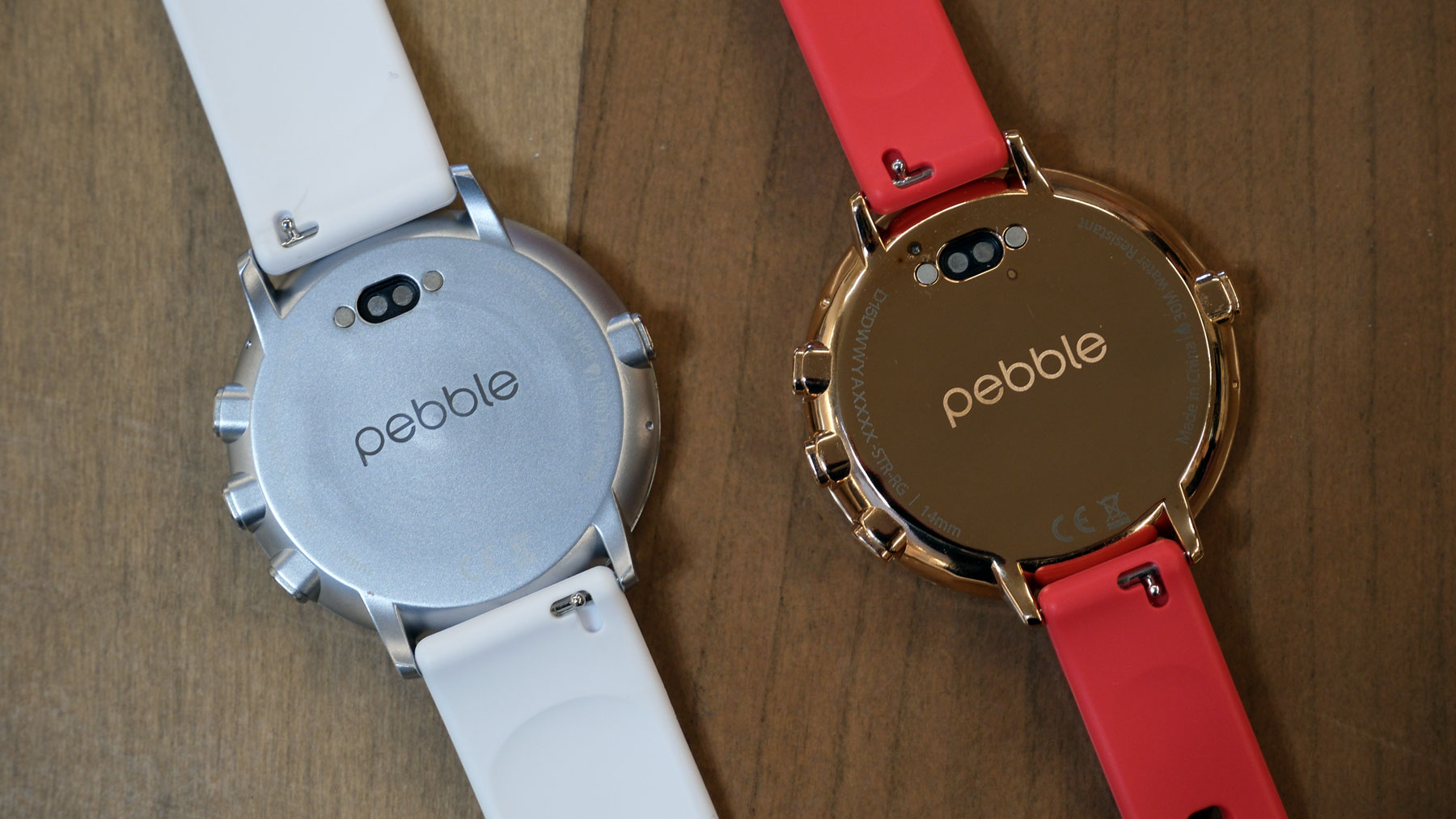
The new watch has a 1.3-inch color e-paper touchscreen which stretches to the end of the case. Its display has been bonded to the glass crystal, dramatically improving the viewing angles and reducing glare. You should expect to get two weeks of life on a single charge, but it remains just 8.1mm thick, and you can really feel that lack of heft when it’s in your hand. In fact, compared to so many of its smartwatch peers, you could almost unironically describe it as dainty, making its case size feel almost comically large. On the materials side, the case feels strong enough that I think it would withstand the rigors of daily life, and I’m quite smitten with both the polished rose gold and brushed silver finishes.
On one hand, it’s hardly the major reason to buy a watch, but I’m deeply smitten by how much text the Round 2’s display can render. Even the fanciest of smartwatches aren’t that willing to display big reams of text for your ease of reading. I was tickled to read a lengthy Slack message which reminded me, again, of what I’ve been missing for all of these years. Perhaps that’s a sign of the broader benefits a device like this offers, which is the ability to tweak its UI to what you need, rather than being tied by the UI designers in Cupertino and Mountain View.
There are plenty of omissions in the spec list, including no optical heart rate sensor, no GPS and no speaker. I’m not weeping over any of them: I’ve not used my smartwatch’s GPS in years and yes, and Pebble is swerving away from the health and fitness market. I don’t want to take calls from my wrist, either, and while the omitted heart rate sensor is harder to take given their ubiquity, it’s been done to ensure the watch is thinner than many of its competitors.
Migicovsky is candid about Pebble’s failure, saying the company spent too much to become a global hardware brand. He invested heavily in inventory in anticipation of blockbuster sales that never came, similar to Peloton’s post-COVID slump. This time around, the focus is on ensuring the company remains sustainable over the long term and, hopefully, building a succession of products. Rather than big investments, he’ll make small batches of devices to cater to pre-orders and won’t water down his philosophy in the hope of attracting a broad user base. He even said the Pebble website may include recommendations for alternative smartwatches from other companies to ensure he’s only catering to the faithful.
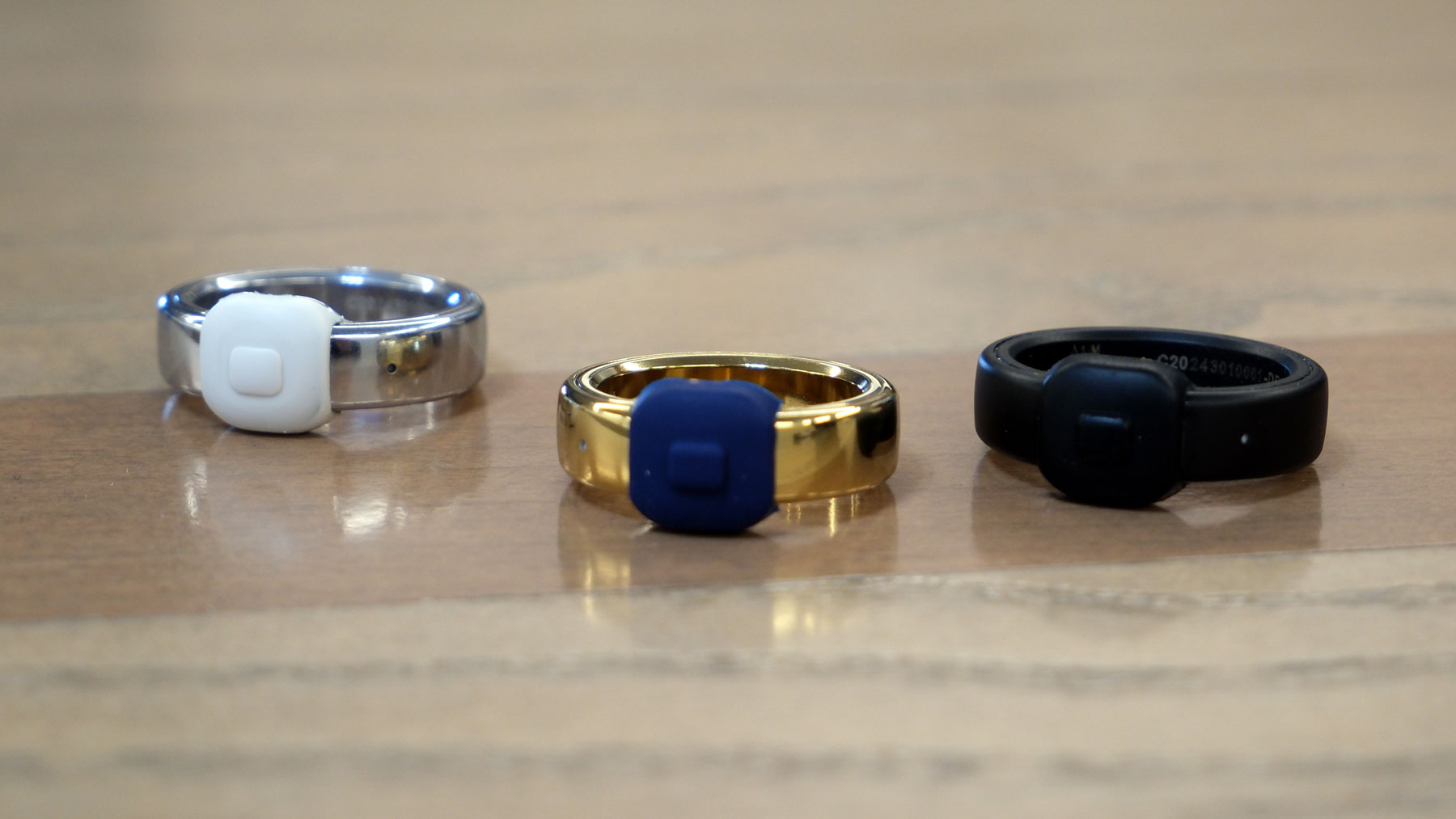
It’s his hope that this approach will give him the time and space to make more products, such as the already-announced Pebble Index 01. It’s a $75 ring equipped with a microphone, Bluetooth and a single push button, where users can record brief reminders to themselves. Rather than add weight and complexity with a rechargeable battery, each Index has a sealed-in cell that the company promises will last for up to two years. A month before the battery is due to expire, you’ll be asked if you want to buy a replacement, sending in the original for recycling. It’s an unusual arrangement but one that Migicovsky believes is more compelling than some others. After all, users aren’t saddled with any monthly subscription fees, and they only need to buy a new one if they’ve actually gotten the benefit out of their existing model. As with the revived Pebbles, the prevailing attitude is that nobody’s twisting your arm here.
More broadly, Migicovsky has the time and money now to explore these product ideas free from the usual pressures. He has no investors or backers demanding instant returns and fast growth, giving him license to pursue his ideas as far as he wants to take them. And he is determined to return a small degree of whimsy to consumer electronics, building gadgets that are in some way fun. Let’s hope he succeeds, because the industry can’t survive another decade of homogeneity.
This article originally appeared on Engadget at https://www.engadget.com/wearables/pebble-seeks-to-remedy-the-wearable-industrys-original-sin-170000834.html?src=rss