






















Hungary Seizes $80M in Cash and Gold From Ukrainian Convoy — Triggering EU’s Biggest Diplomatic Clash in Months
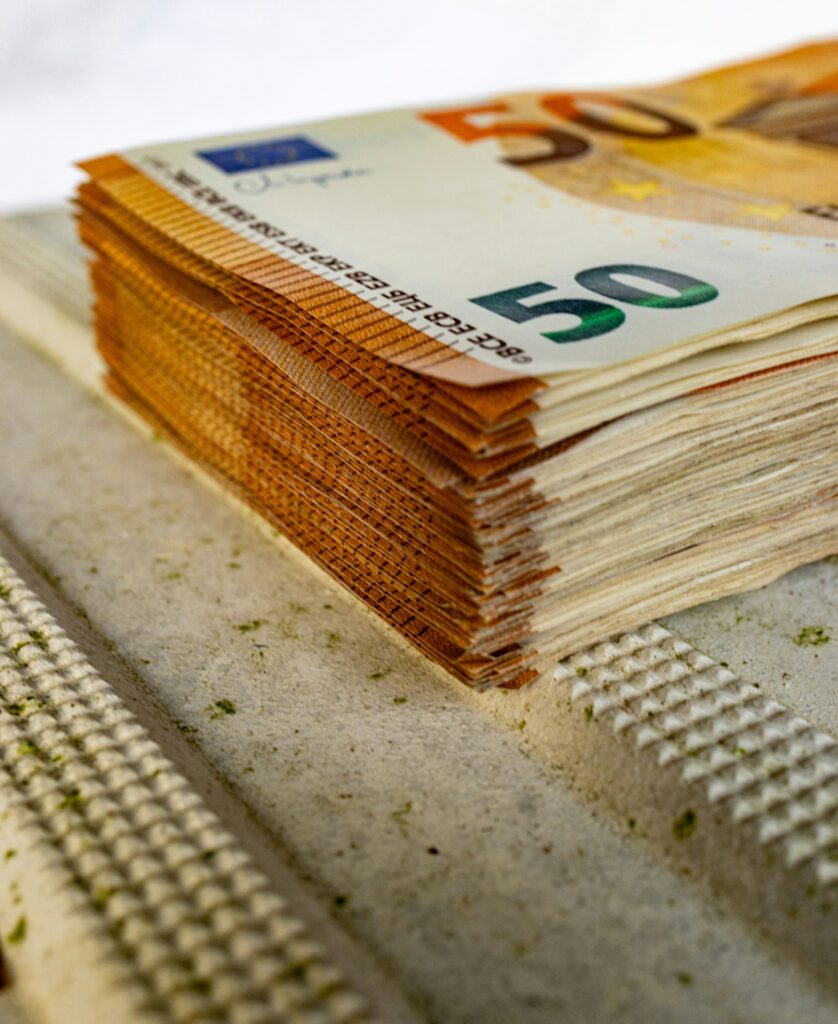
In the early hours of March 5, heavily armed officers from Hungary’s TEK counter-terrorism unit surrounded two armoured vehicles at a motorway service area on the M5 outside Budapest. The vehicles, bearing Ukrainian licence plates, were employees of Oschadbank — Ukraine’s state-owned savings bank — transporting cash and gold from Austria back to Kyiv as part of what the bank described as a routine interbank transfer conducted under formal agreement with Raiffeisen Bank International. The shipment contained $40 million, €35 million, and nine kilograms of gold — worth approximately $80 million in total. Seven Ukrainian citizens were detained, their phones confiscated, consular access denied. By Friday morning, Hungary had opened a money laundering investigation, expelled all seven Ukrainians from its territory, and placed itself at the centre of the EU’s most explosive diplomatic incident in months.
Ukraine’s response was immediate and furious. Foreign Minister Andrii Sybiha took to X within hours: “Today in Budapest, Hungarian authorities took seven Ukrainian citizens hostage. We will address the European Union with the request to provide a clear qualification of Hungary’s unlawful actions, hostage-taking, and robbery.” By Friday he had escalated further, calling it “state banditism” and accusing Prime Minister Viktor Orbán of deliberately staging the incident as part of Hungary’s domestic electoral campaign ahead of April elections. Ukraine’s national police opened criminal proceedings for kidnapping and hostage-taking, filing formal requests to Europol and Hungarian authorities. Poland’s Foreign Minister Radek Sikorski was blunter than anyone: he said simply that Hungary had stolen the money.
Hungary’s justification centres on the identity of those accompanying the shipment and the scale of the cash being moved. Budapest said those detained included a former general of the Ukrainian Security Service and a former major of the Ukrainian Air Force. Foreign Minister Péter Szijjártó asked the question Hungary wanted the world to be asking: if this is genuinely a transaction between banks, why does such a large amount of cash need to travel by road through Hungary at all? Hungarian customs added a detail calculated to raise further suspicion — in 2026 alone, more than $900 million, €420 million, and 146 kilograms of gold bars had been transported across Hungarian territory into Ukraine.
Oschadbank pushed back firmly. The bank stated the cargo was cleared under international transportation rules and current EU customs procedures, that the transfer was organised under a formal agreement with Raiffeisen Bank International, and that physical cash transport by land was entirely necessary given Ukraine’s closed airspace. The logic is not implausible — with commercial aviation suspended over Ukraine indefinitely, land-based armoured transport is a well-established and widely used mechanism for moving high-value assets between European financial centres and Kyiv. None of that has moved Budapest an inch.
The European Commission said it was aware of the reports and declined to comment further — a response that illustrates precisely the institutional paralysis that Orbán has spent fifteen years exploiting. Hungary remains a full EU member state with every legal protection and veto that entails, yet its government has blocked EU sanctions on Russia, vetoed a €90 billion loan package to Ukraine, ceased diesel shipments to Kyiv, and now seized the assets of a Ukrainian state bank on EU soil. Brussels has no fast-response mechanism capable of addressing this kind of behaviour in real time — and Orbán knows it better than anyone.
What the incident exposes most clearly is the acute vulnerability of Ukraine’s financial logistics to political interference by a nominally allied EU member state. The fate of the seized cash and gold remains entirely unresolved. Hungary has not confirmed where the assets are held or when — or whether — they will be returned. Ukraine has warned its citizens not to travel through Hungary and has called formally for EU legal action. The European Commission has issued nothing of substance in response — and Orbán finds himself, once again, in a position where the rules-based international order he nominally operates within has no practical mechanism to hold him to account.
The seven detained Ukrainians were expelled rather than held for formal prosecution — which would be the standard procedure if a genuine money laundering case had been established and evidence secured. That detail has not been lost on observers watching the case closely. Ukraine’s Foreign Minister has said directly that the seizure was part of Hungary’s electoral campaign. Budapest has dismissed that characterisation entirely. What is not in dispute is that $80 million belonging to a Ukrainian state bank remains in Hungarian custody, that the EU has no fast legal route to intervene, and that the incident has exposed — once again — just how limited Brussels’ tools are when a member state decides the rules no longer apply to it.
FAQ
Q: Was Hungary legally entitled to seize the Ukrainian bank convoy? A: That is precisely what is disputed. Hungary claims the seizure was lawful under its money laundering investigation powers, citing the scale of the transfer and the security backgrounds of those accompanying it. Ukraine and Oschadbank insist the transfer was fully compliant with EU customs procedures and international transport regulations, conducted under a formal agreement between two recognised banking institutions. The EU has not yet issued a legal assessment — which Ukraine has formally requested — and the status of the seized assets remains entirely unresolved.
Q: How does this fit into the broader Hungary-Ukraine relationship? A: The convoy seizure is the sharpest escalation yet in a relationship that has deteriorated sharply over several years. Hungary has blocked multiple rounds of EU sanctions on Russia, vetoed loan packages to Ukraine, and cut diesel shipments to Kyiv in retaliation for disruption to the Druzhba pipeline. Orbán has simultaneously deployed military forces to key Hungarian energy infrastructure, accusing Ukraine of plotting disruptions. The incident has prompted Ukraine to warn its citizens against travelling through Hungary and to file formal legal requests with both Europol and EU institutions — none of which have yet produced a substantive response from Brussels.
The post Hungary Seizes $80M in Cash and Gold From Ukrainian Convoy — Triggering EU’s Biggest Diplomatic Clash in Months appeared first on European Business & Finance Magazine.