

























Oil Hits $92 as Iran War Escalates — Analysts Warn Why $150 and Global Recession Are Next
The numbers tell their own story. Brent crude settled at $92.69 a barrel on Friday — up 28% in a single week and the highest level since 2023. US marker West Texas Intermediate leapt 36% across the same period, its biggest weekly gain since records began in 1983. The trigger is the Iran war and what it has done to the world’s most critical energy chokepoint: the Strait of Hormuz, through which roughly one fifth of the world’s daily oil supply and significant volumes of liquefied natural gas normally pass without interruption.
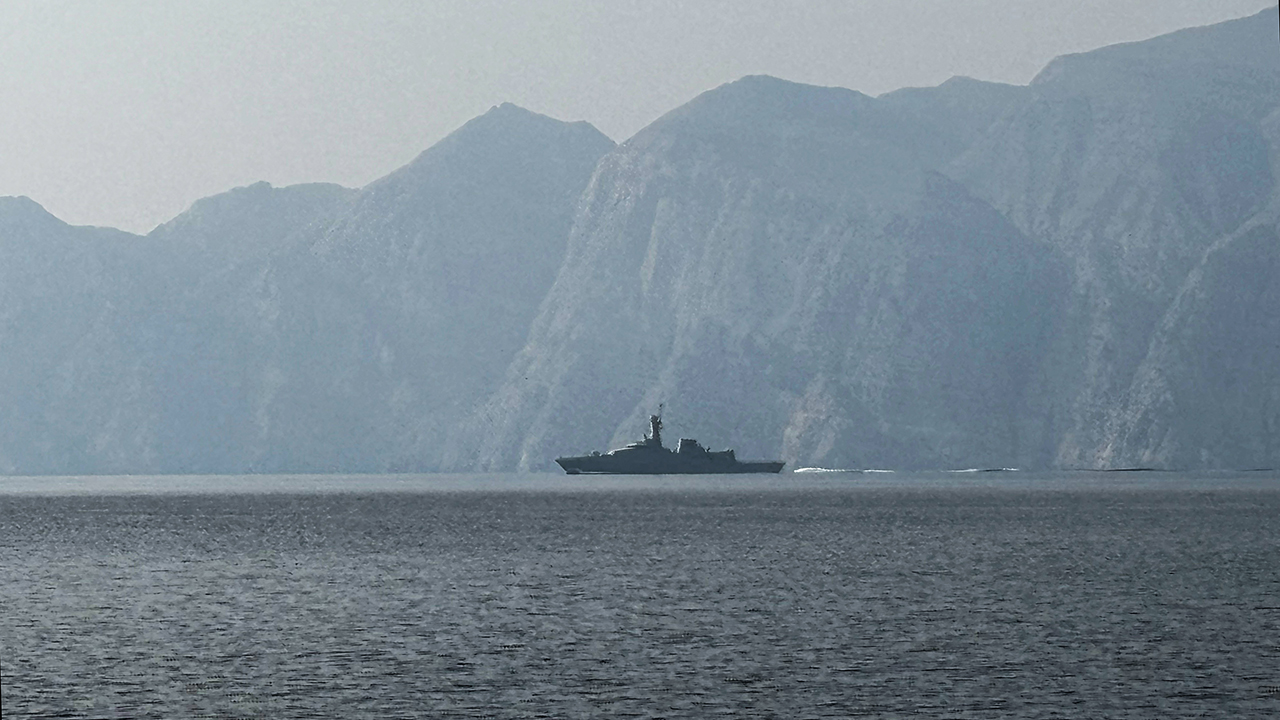
Following the coordinated US-Israeli military strikes on 27 February 2026, which targeted Iran’s leadership and nuclear infrastructure, Tehran responded by declaring the waterway closed. Tanker traffic dropped precipitously, with over 150 ships anchoring outside the strait to avoid the risk of attack, and traffic soon fell to near zero. Racing Post The impact on global energy markets has been immediate and severe, with the consequences for inflation and economic growth now being felt from the petrol pump to the boardroom.
The scale of the disruption is without modern precedent. About 20 million barrels of oil worth approximately $500 billion in annual global energy trade transited through the Strait of Hormuz each day in 2024. The crude oil passing through originates from Iran, Iraq, Kuwait, Qatar, Saudi Arabia and the UAE Insider Sport — meaning the effective closure of the waterway has simultaneously hit both the supply side of the global oil market and the energy security calculations of dozens of importing nations. Some 30% of Europe’s supply of jet fuel originates from or transits via the strait, while one fifth of the global LNG supply passes through the waterway. Caan Berry Strategies Airlines, manufacturers, and consumers across the continent are already absorbing the consequences.
Goldman Sachs has warned that oil prices would likely exceed $100 per barrel next week if no signs of a solution to restore Hormuz transits emerge. The bank added that prices for refined products could exceed the peaks seen in 2008 and 2022 if flows remained depressed throughout March — a scenario that would take Brent above the $140 it reached in 2008 and deliver a devastating blow to the global economy at a moment when it has very limited capacity to absorb another shock. Qatar’s energy minister went further, predicting oil would hit $150 a barrel without a quick end to the war. Bernstein raised its 2026 Brent target to $80 per barrel from $65, but sees prices reaching as high as $150 in a severe case of prolonged conflict. Casino.org
The inflation implications are deeply concerning for central banks already navigating a fragile post-pandemic environment. Higher energy prices would ultimately filter through to consumer and producer prices, particularly for economies that rely heavily on Middle East oil imports, leaving central banks scrambling to reassess their interest rate trajectory. Under the assumption of a six-week closure of the Strait of Hormuz and a jump in oil prices from $70 to $85 a barrel, regional inflation in Asia could rise by about 0.7 percentage points, according to Goldman Sachs. GamblingNews For Europe, the inflationary pressure arrives at the worst possible moment — with household budgets already stretched, industrial competitiveness under pressure, and the political centre of gravity continuing to shift rightward in response to cost of living anxiety.
Former White House energy adviser Bob McNally was blunt in his assessment: a prolonged closure of the Strait of Hormuz is a guaranteed global recession. Casino.org The mechanism is straightforward but devastating. Rising energy costs feed directly into producer prices, which feed into consumer prices, which erode real incomes and compress spending. At the same time, central banks face an impossible choice: raise rates to combat inflation and risk choking growth, or hold rates and allow inflationary expectations to become entrenched. Nomura economists noted the conflict solidifies the case for many central banks to hold rates steady for now, as policymakers juggle the delicate task of balancing inflationary risk against slowing growth. GamblingNews
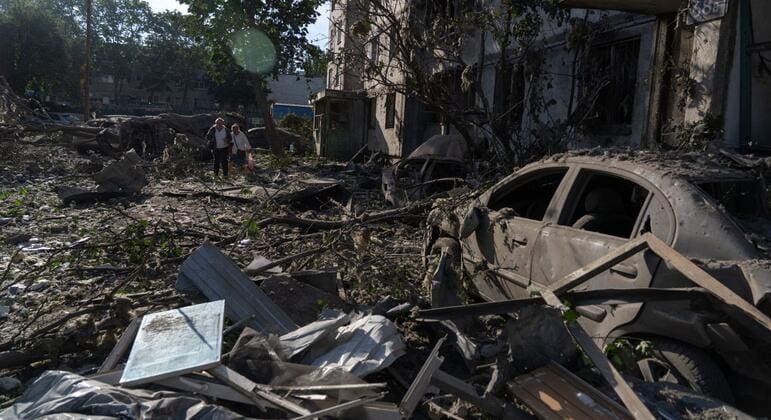
The geopolitical backdrop has not eased. Trump has warned there will be “no deal” with Iran unless the country offers its “unconditional surrender” — language that markets have interpreted as ruling out any near-term diplomatic resolution. In response to US-Israeli strikes that killed supreme leader Ayatollah Ali Khamenei and many senior officials, Tehran launched more than 500 ballistic missiles and 2,000 drones striking countries including Israel, the UAE, Saudi Arabia, Qatar, Kuwait and Bahrain. Racing Post Saudi Arabia has meanwhile intercepted drones targeting its Shaybah oilfield — the first attempt to strike directly at the heart of the kingdom’s energy production — in a development that sent fresh shockwaves through Gulf energy markets and raised the spectre of supply disruption extending far beyond the Strait itself.
For policymakers, the lesson is blunt: Hormuz is not merely a tactical lever Iran can threaten or the United States can defend. It is a transmission belt between regional war and the global economy. The Scotsman If de-escalation comes quickly, some of the current premium in oil prices may fade. If it does not, the world is looking at an energy shock that the global economy — with its exhausted fiscal capacity, fragile central banks, and politically volatile electorates — is desperately ill-equipped to absorb.
FAQ
Q: Why is the Strait of Hormuz so critical to global oil prices? A: The Strait of Hormuz is the world’s single most important energy chokepoint. Approximately 20 million barrels of oil per day — around one fifth of global petroleum consumption — passed through it in 2024, along with one fifth of the world’s LNG supply. It is the only maritime route out of the Persian Gulf for major oil exporters including Saudi Arabia, Iraq, Kuwait, Qatar, and the UAE. Unlike other chokepoints, there is no alternative route capable of absorbing anything close to its full volume, meaning even a partial disruption has an immediate and outsized impact on global energy prices and supply security.
Q: Could the oil shock from the Iran war trigger a global recession? A: Leading analysts believe a prolonged closure could do exactly that. Former White House energy adviser Bob McNally has described a sustained Hormuz closure as a guaranteed global recession. The mechanism runs through both inflation and growth simultaneously — rising energy costs push up prices across the economy while simultaneously suppressing consumer spending and business investment. Central banks, already constrained by post-pandemic inflation legacies, have limited room to respond without worsening either inflation or the growth slowdown. Goldman Sachs has warned prices could exceed both the 2008 and 2022 peaks if flows remain depressed through March — levels that, historically, have preceded significant economic contractions.
The post Oil Hits $92 as Iran War Escalates — Analysts Warn Why $150 and Global Recession Are Next appeared first on European Business & Finance Magazine.