














Everything is fine: Disney CEO Bob Iger says OpenAI deal isnt a threat to creatives.


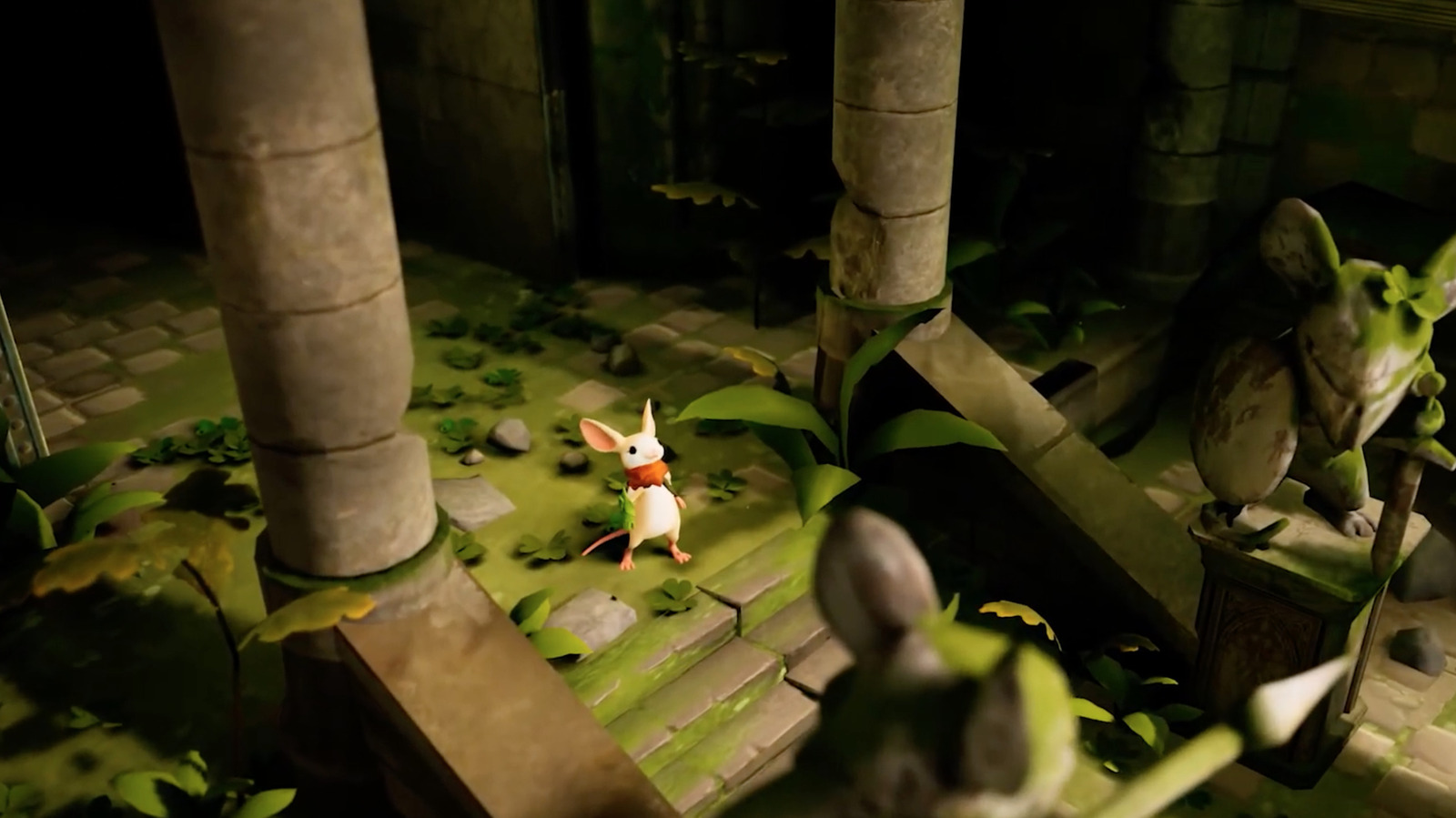
The House of Mouse recently announced a surprise $1 billion deal with OpenAI, which will bring about 200 Disney characters, props, and other copyrighted items to ChatGPT and Sora, OpenAI's AI chatbot and video app.
So, if you've ever wanted to make a video of yourself hanging out with Deadpool and wielding a lightsaber, you'll be able to do exactly that starting in 2026.
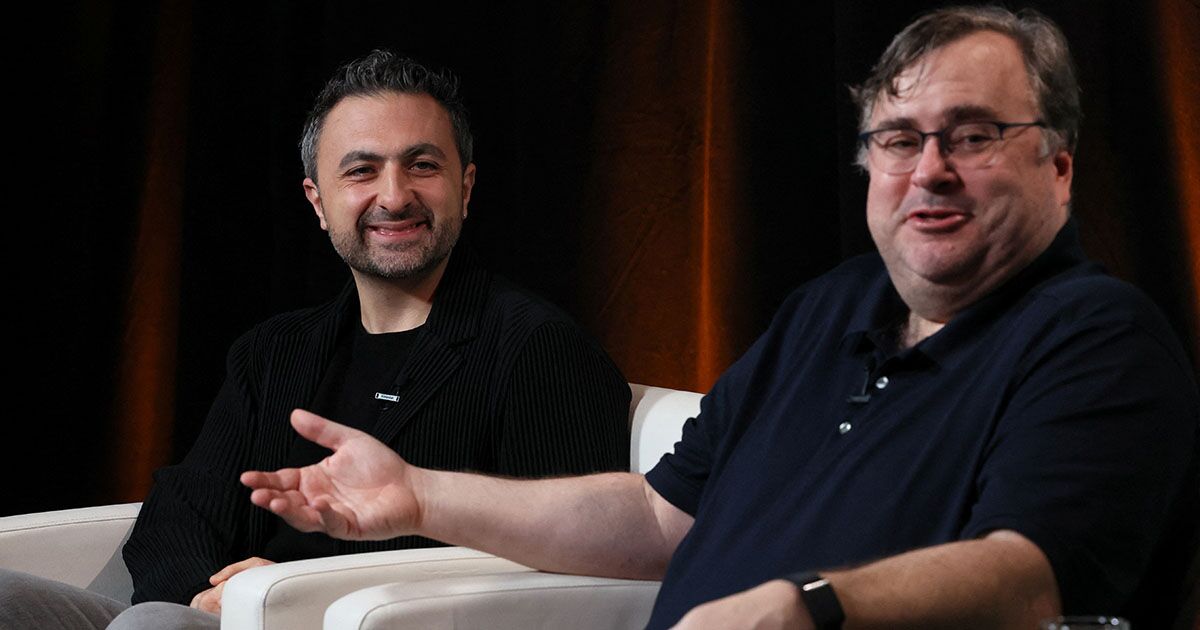
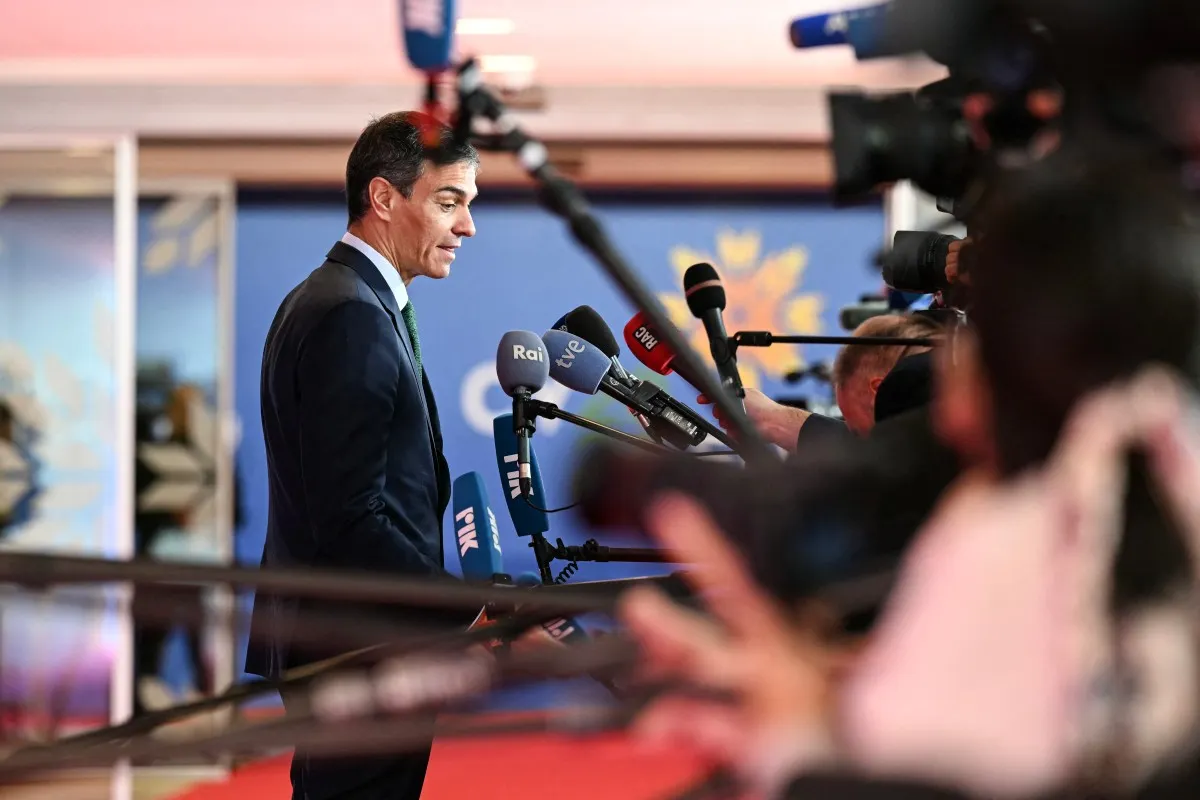
And though many artists and creative professionals have a deep-seated, at-times existential hatred for all things artificial intelligence, Disney CEO Bob Iger said creators don't need to worry. During a CNBC appearance on Thursday, Iger said that "this does not in any way represent a threat to the creators at all."
Well, OK then!
Incredibly, even though OpenAI CEO Sam Altman told CNBC the demand for Disney characters among ChatGPT users is "off the charts," according to the terms of the deal, Disney will pay OpenAI, and not the other way around, to bring Disney intellectual property into ChatGPT-world. Disney will be making a $1 billion equity investment in the AI company, OpenAI revealed in a blog post. As part of the deal, Disney will also become a "major customer" of OpenAI, giving Disney employees access to new AI tools.
Why are creatives threatened by generative AI?
Despite Iger's rosy assessment, the Disney-OpenAI alliance will be seen as terrible news by AI-skeptical artists, who fear that movie studios will replace them with AI tools at the first opportunity. That's why even the smallest hint of AI in movies triggers an immediate backlash from many creative professionals. Even the use of AI to produce movie posters will spark a boycott among artists, many of whom see all generative AI output as slop.
Although, as I've written before, it's not clear that audiences care as much about the use of AI in creative work. Ultimately, the Disney-OpenAI deal is just the latest proof that generative AI in movies, TV, and advertising is a train that can't be stopped. Artists can and will fight the adoption of AI in Hollywood, but the powers that be aren't asking for permission.
In his CNBC appearance with Altman, Iger spoke about the inevitability of AI adoption.
"If it’s going to happen regardless, then we’d rather participate in the rather dramatic growth, rather than just watching it happen and essentially being disrupted by it," Iger said.
Notably, the new agreement does not include the voices of any Disney characters. Including the voice or likeness of the actors behind the characters could put Disney in violation of agreements with writers, artists, and actors, whose unions have been fighting for protections against AI.
As part of the deal, OpenAI and Disney said there's a "licensing fee" for using Disney's characters. But since Disney is the one forking over $1 billion, it seems extremely unlikely that any creatives will see the benefits of this deal. Disney may yet set a precedent that AI companies should pay to license creatives' work, but this isn't that.
"We are not including name and likeness, nor are we including character voices," Iger said on CNBC show Squak on the Street. "And so, in reality, this does not in any way represent a threat to the creators at all, in fact, the opposite. I think it honors them and respects them, in part because there’s a license fee associated with it."
For the record, I am extremely skeptical that "license fee" will trickle down to the artists behind the characters that appear in Sora. I'm equally skeptical that artists, voice actors, and artists will agree that this deal "honors" and "respects them."
By aligning with OpenAI, Disney opens a new front in the AI copyright battle
In Mashable's testing of AI image generators, we've found every major AI image maker will readily produce a deepfake featuring a popular Disney character. It's part of our standard testing process for AI image generators.
So, unsurprisingly, a legal battle is playing out in courts around the world over AI copyright law, with Hollywood heavyweights, authors, and artists pitted against the big AI companies. Some of these cases focus on AI companies using copyrighted works for training without payment or permission. Others focus on the output of those AI tools, many of which readily create deepfakes of popular characters from Star Wars, Pixar, Marvel, and other Disney franchises.
So far, early AI copyright cases have ruled in favor of AI companies. It's been a true David vs. Goliath story so far, with relatively unknown authors going up against tech giants like OpenAI, Google, and Meta.
That's why many artists were delighted when, earlier this year, Disney sued AI image generator Midjourney, calling it "a bottomless pit of plagiarism." The hope was that The House of Mouse's famously formidable legal department might succeed where early class action suits had failed. In the legal battle between artists and AI companies, artists are generally outgunned at every turn. Case in point: In the Kadrey v. Meta class action case, the judge noted in his ruling that the authors' legal team simply made weak arguments, even though the facts of the case seemed so damning. Meta literally pirated the authors' books, and internal messages showed its own employees questioned the legal and ethical implications of their work.
But artists who were hoping Disney might come to the rescue in the AI copyright battle may want to temper their expectations. Disney has now made the bold decision to pay OpenAI for the privilege of turning Disney characters into slop.
It's easy to see why. On the same day we learned about the Disney-OpenAI deal, OpenAI sent a cease-and-desist letter to Google, demanding that Google's AI tools stop creating images and videos that feature Disney characters. By granting OpenAI and Sora an exclusive AI license for these Disney characters, Disney is protecting its copyrights and setting itself up for future legal battles.
None of this is particularly good news for creators and artists worried about AI, however. It should hardly come as a surprise that Iger's best interests don't necessarily align with those of actors, animators, and voice-over artists.
But, Iger says they don't need to worry, so I'm sure everything will be fine.
Yes, everything will be fine.
Everything will be fine.
Everything will be fine.
Disclosure: Ziff Davis, Mashable’s parent company, in April filed a lawsuit against OpenAI, alleging it infringed Ziff Davis copyrights in training and operating its AI systems.