























The Iran War Is Costing $1.43 Billion a Day — and Nobody Knows When It Ends
Iran War Cost 2026: At $1.43 Billion a Day, the Financial Clock Is Ticking For Global Markets
The military operation against Iran is expensive. Extraordinarily, jaw-droppingly expensive. And according to figures published by the New York Times, the financial meter is running at a pace that should alarm anyone with exposure to global markets, government bonds, or the US dollar.
The numbers break down as follows: $6 billion in operations, $4 billion in munitions — a combined daily burn rate of $1.43 billion. That is not a typo. The United States is spending more than a billion dollars every single day on a military campaign that Congress has not authorised a single dollar to fund, with no coherent endgame publicly articulated and a timeline that keeps extending with each passing week.
What the Numbers Look Like Over Time
The compounding effect of that daily rate is where the picture becomes truly striking. At $1.43 billion per day, thirty days of conflict costs $43 billion — more than the entire annual budget of the US Department of Homeland Security. At sixty days, the figure reaches $86 billion, equivalent to what the United States was spending annually in Afghanistan at the absolute peak of that war. At ninety days, $129 billion. At six months — the timeline Iran’s Revolutionary Guard has publicly stated it can sustain — the total reaches $259 billion. If the conflict runs through September, the cumulative military cost alone approaches $306 billion.
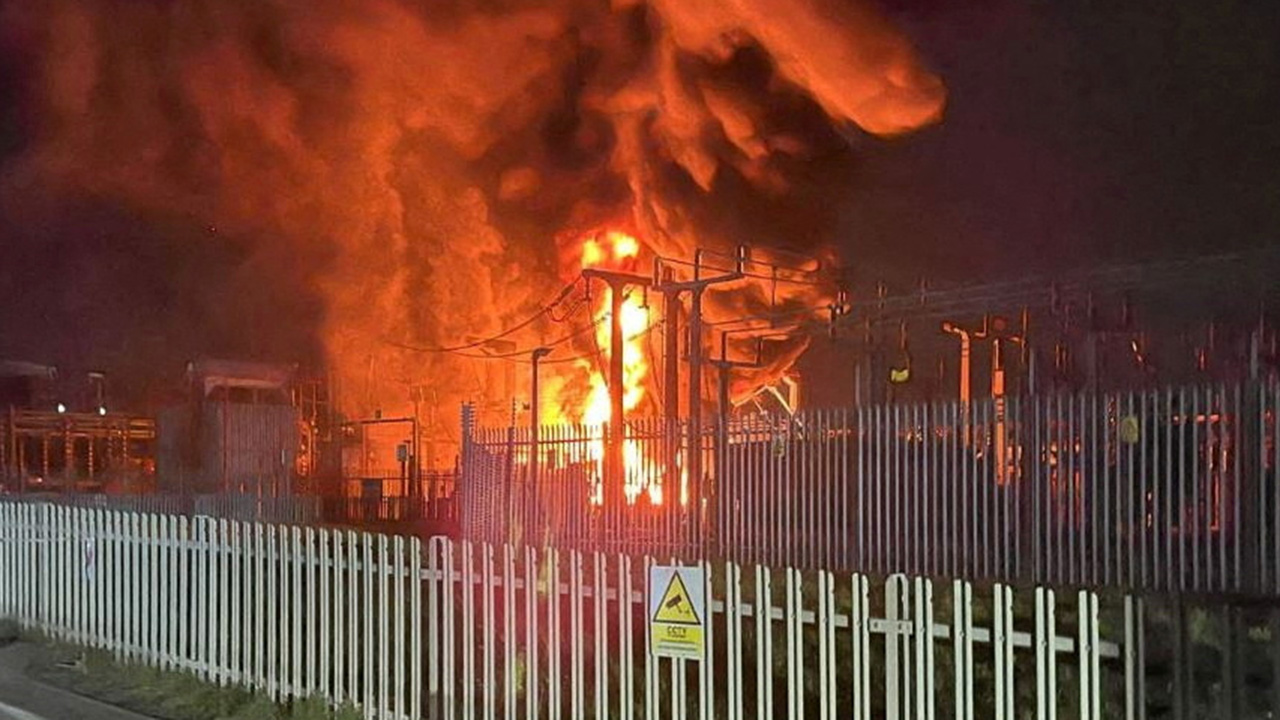
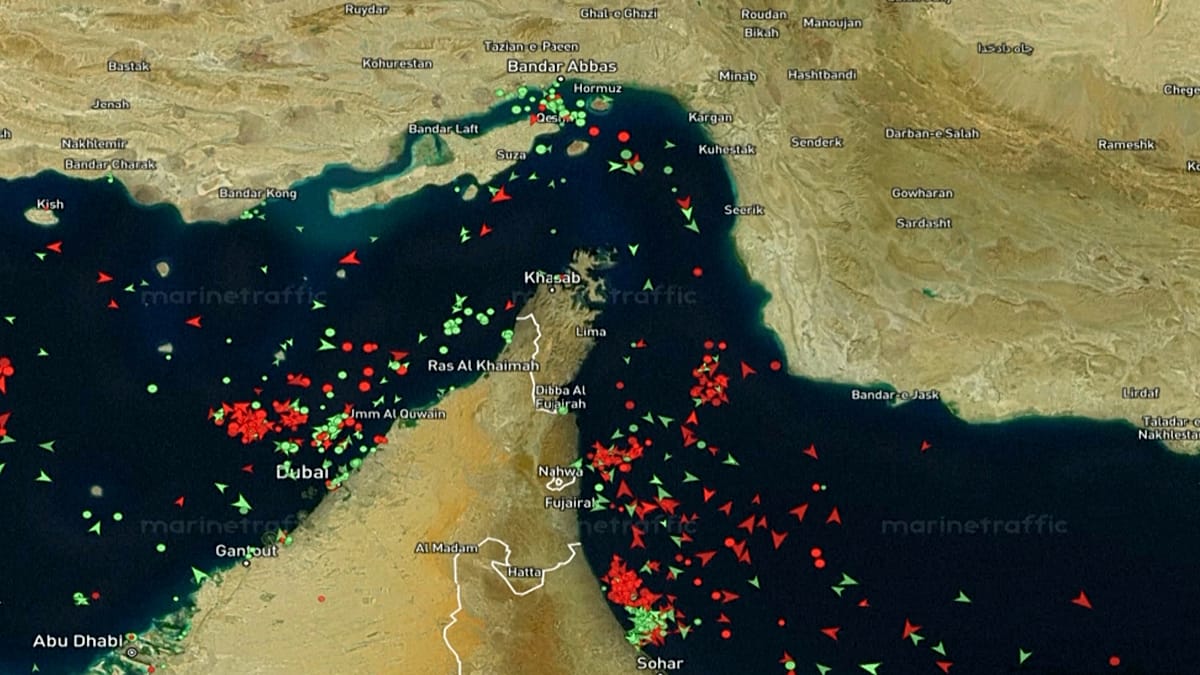
And critically, costs are accelerating rather than stabilising. The escalating military and economic consequences of the Iran conflict are already being felt across energy markets, with oil prices having surged more than 25% in a single session as supply disruptions deepened across the Gulf.
The Budget Crisis Nobody Is Talking About
The Center for Strategic and International Studies confirmed that $3.5 billion of the first $3.7 billion spent on the operation was entirely unbudgeted. There has been no Congressional authorisation, no supplemental appropriations bill, no formal war powers notification that has passed legislative scrutiny. The White House is funding a major military campaign against a sovereign nation through executive action alone — a constitutional arrangement that is, at minimum, deeply unusual.
The White House initially indicated a four-to-six week timeline. Defence Secretary Hegseth subsequently extended that to eight weeks. Iran’s IRGC has stated publicly that it can sustain an intense conflict for six months. The gap between those positions is not a negotiating range — it is a fundamental disagreement about how long this lasts, with trillion-dollar consequences attached to which side is right. The geopolitical and financial stakes of the Middle East conflict have moved well beyond anything markets had priced at the outset.
The Market Destruction Running Parallel
The direct military cost is only part of the financial story. $3.5 trillion was wiped from global financial markets in a single week as the conflict escalated — a figure that dwarfs the military spend and represents the broader economic damage being inflicted on pension funds, retirement accounts, corporate balance sheets, and sovereign wealth funds simultaneously. The market consequences for investors navigating the current crisis are severe and worsening, with no clear catalyst for stabilisation visible on the horizon.
The New York Times described the campaign as “a punishing military campaign with no coherent endgame.” That framing matters enormously to financial markets, which can price risk and uncertainty — but cannot price an open-ended conflict with no defined objectives, no exit strategy, and a daily cost that compounds with every passing week. European businesses and consumers face severe economic consequences as the ripple effects of sustained conflict spread through energy prices, supply chains, and borrowing costs simultaneously.
The arithmetic is unforgiving. At $1.43 billion a day, every week of delay costs $10 billion. Every month costs $43 billion. And if Iran’s six-month timeline proves more accurate than Washington’s eight-week projection, the United States will have spent the equivalent of its entire annual defence budget increment on a single, unbudgeted military campaign — with the global economy bearing the collateral cost in real time.
FAQ
Q: How much is the Iran war costing the United States per day? According to figures published by the New York Times, the US is spending approximately $1.43 billion per day on the Iran conflict — comprising roughly $6 billion in operational costs and $4 billion in munitions across the first phase of the campaign. CSIS confirmed that $3.5 billion of the first $3.7 billion spent was entirely unbudgeted, and Congress has not authorised any funding for the operation.
Q: How long could the Iran conflict last and what would the total cost be? Timelines vary dramatically depending on the source. The White House initially indicated four to six weeks; Defence Secretary Hegseth extended that to eight weeks. Iran’s Revolutionary Guard has stated publicly it can sustain intense conflict for six months. At the current burn rate of $1.43 billion per day, a six-month conflict would cost approximately $259 billion in direct military spending alone — before accounting for the broader market destruction, which has already exceeded $3.5 trillion in a single week.
The post The Iran War Is Costing $1.43 Billion a Day — and Nobody Knows When It Ends appeared first on European Business & Finance Magazine.