



























Democracy in the developing world cannot survive without selfcriticism
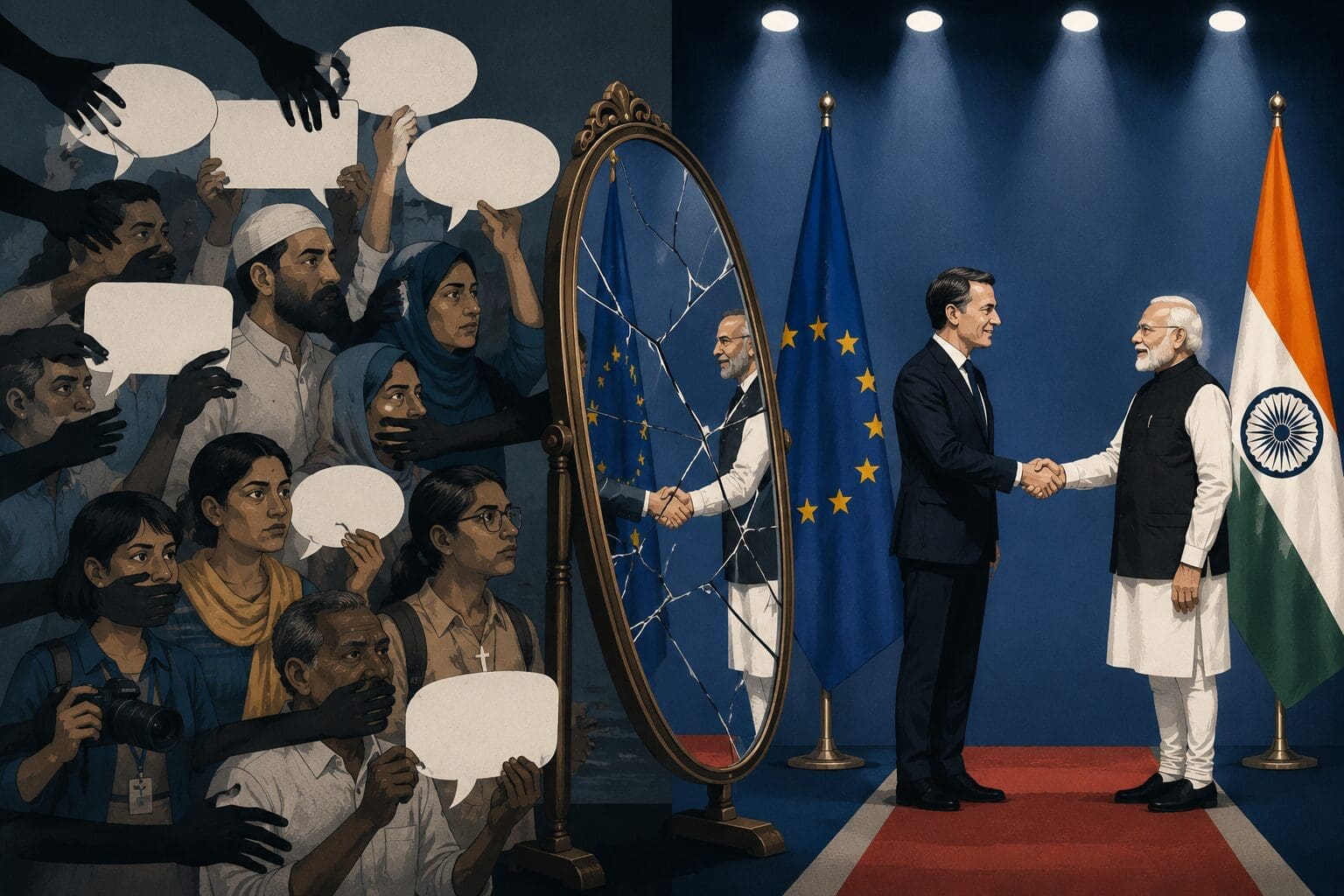
For decades, intellectuals, journalists, and policymakers in developing countries have rightly criticized racism, discrimination, and human-rights violations in Western democracies. Such criticism is both legitimate and necessary. Democracies must constantly confront their failures, whether related to minorities, migrants, surveillance, or abuses of state power.
Yet an uncomfortable double standard often emerges when the same scrutiny is directed inward. In many developing democracies, criticism of Western governments is celebrated as progressive and courageous, while criticism of domestic nationalism, religious majoritarianism, or state repression is dismissed as “anti-national,” “foreign-influenced,” or “anti-development.” This contradiction ultimately weakens democratic culture itself.
India presents one of the clearest examples of this growing paradox.