


























Why Palantir Is Up 1,700% in Three Years — And Just Posted Its Best Quarter Yet

The AI defence contractor posted $1.41bn in quarterly revenue, locked in a $10 billion Pentagon contract, and forecasts another 60% growth in 2026
Quick Answer
Why did Palantir shares jump? Palantir stock rose 6% in extended trading on 3 February 2026 after the company reported Q4 2025 revenue of $1.41 billion—beating analyst estimates of $1.33 billion by 6%. The surge was driven by a 66% increase in US government revenue to $570 million, a landmark $10 billion Army contract, and US commercial sales that more than doubled year-over-year. The company forecast 2026 revenue between $7.18 billion and $7.20 billion, representing over 60% growth.
Palantir Technologies delivered a stunning fourth-quarter performance that sent shares soaring in after-hours trading, reinforcing its position as one of the most consequential—and controversial—players in the artificial intelligence landscape.
The Denver-based data analytics company reported results that CEO Alex Karp described as “indisputably the best results that I’m aware of in tech in the last decade.” For investors tracking the AI sector’s explosive growth, Palantir’s numbers demand attention.
Palantir Q4 2025 Earnings: The Numbers That Matter
Fourth-quarter revenue reached $1.41 billion, comfortably exceeding the $1.33 billion Wall Street had anticipated. This marks a remarkable 70% surge from the $827.5 million recorded in Q4 2024—growth rates that few enterprise software companies can match.
Earnings per share landed at 25 cents adjusted, beating consensus estimates of 23 cents. Net income totalled more than $608 million, a dramatic improvement from the $79 million reported in the year-ago quarter.
For the full fiscal year, Palantir generated $4.48 billion in total revenue. But it’s the forward guidance that captured investor attention: management projects 2026 revenue between $7.18 billion and $7.20 billion, implying more than 60% annual growth.
First-quarter 2026 guidance of $1.53 billion to $1.54 billion significantly exceeded analyst expectations of $1.32 billion, suggesting the momentum shows no signs of slowing.
US Government Contracts: The Bedrock of Palantir’s Business
The US government segment remains central to Palantir’s success, contributing $570 million in Q4 revenue—a 66% year-over-year increase that underscores deepening federal reliance on the company’s platforms.
“America has become more lethal, more confident, more divergent from our adversaries, and, quite frankly, from our allies,” Karp stated during the earnings call, highlighting how Palantir’s technology supports national security objectives.
Several transformative contracts have cemented this relationship. Last August, Palantir secured an agreement with the US Army worth up to $10 billion over the next decade—consolidating 75 separate contracts into a single enterprise framework. This deal creates what the company describes as “a comprehensive framework for the Army’s future software and data needs.”
The Department of Defense has emerged as a cornerstone customer. In May 2025, the Pentagon expanded its Maven Smart Systems contract by $795 million to enhance AI capabilities across military operations. For investors analysing defence technology opportunities, these long-term commitments provide unusual revenue visibility.
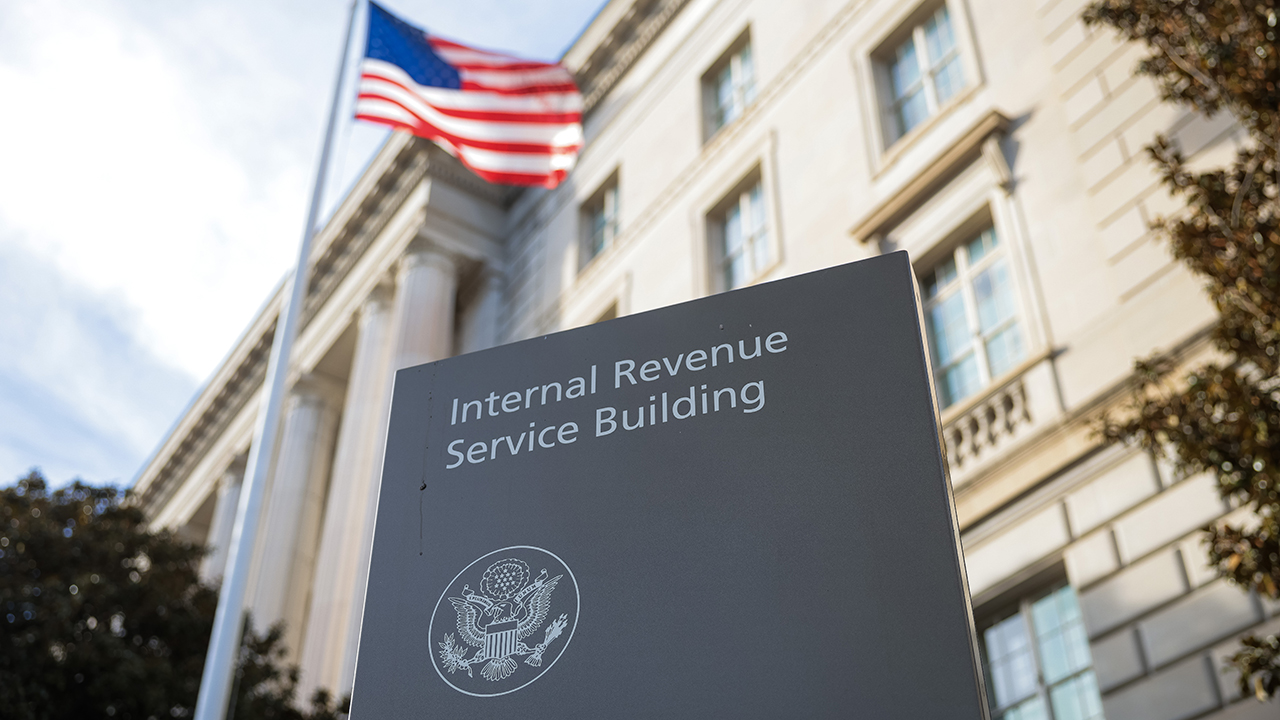
Immigration and Customs Enforcement awarded Palantir a $30 million contract in April 2025 to develop tracking systems—the agency’s largest single award to the company among 46 federal contract actions since 2011. The company has also entered discussions with the Social Security Administration and IRS regarding data platform deployments.
Commercial Revenue: The Accelerating Growth Engine
While government work provides stability, Palantir’s commercial segment has become the more compelling narrative for growth-focused investors.
US commercial revenue hit $507 million in Q4, with the remaining US commercial deal value surging 145% year-over-year to $4.38 billion. Management projects US commercial revenue will grow at least 115% in 2026, exceeding $3.14 billion—an acceleration from the already impressive 109% growth achieved in 2025.
The Artificial Intelligence Platform (AIP) has proven particularly attractive to enterprises seeking to deploy large language models on proprietary data securely. Unlike generic AI tools, Palantir’s offering enables companies to maintain data privacy while extracting actionable insights.
Partnerships span regulated industries where data security is paramount. Fannie Mae signed a $30 million agreement to leverage AI-powered analytics for mortgage fraud detection. Healthcare and financial services firms have increasingly adopted the platform as enterprise AI spending accelerates across sectors.
“Palantir’s government segment remains key to its success, with contracts becoming deeply embedded in federal systems,” observed Emarketer analyst Jacob Bourne. “However, the company’s growth story increasingly depends on its commercial business.”
The Valuation Debate: Priced for Perfection?
Despite exceptional operational metrics, Palantir’s stock has declined more than 15% year-to-date in 2026 as investors question whether current prices adequately reflect execution risk.
The company trades at a 12-month-forward price-to-earnings ratio of approximately 140—a premium valuation that leaves minimal margin for disappointment. For context, this multiple significantly exceeds most technology sector benchmarks.
“Valuation question marks won’t disappear,” cautioned eToro analyst Zavier Wong. “Palantir remains priced for perfection, which means it will need to continue executing in future quarters.”
The stock has nonetheless rewarded long-term holders extraordinarily well, gaining roughly 1,700% over three years and more than 200% since the day before the November 2024 presidential election. Co-founder Peter Thiel’s close ties with key Washington figures—including Vice President JD Vance, whom he backed in a 2022 Senate race—have fuelled speculation about preferential access to government contracts.
Short seller Michael Burry disclosed a bet against both Palantir and Nvidia in November, prompting Karp to dismiss the move as “bats— crazy” and accuse critics of “market manipulation.”
What Palantir’s Results Mean for Investors
Palantir occupies a distinctive position at the intersection of government technology modernisation and enterprise AI adoption. The combination of long-duration defence contracts, accelerating commercial growth, and genuinely differentiated technology creates competitive advantages that few rivals can replicate.
In his shareholder letter, Karp emphasised that Palantir’s profit is “pure and uncontrived” despite mounting pressure for AI companies to demonstrate sustainable fundamentals rather than hype-driven growth.
For portfolio construction, Palantir presents a complex risk-reward calculus. The growth metrics are undeniably compelling—few companies demonstrate 70% revenue growth at this scale. Yet the valuation demands continued flawless execution, and political dynamics could shift federal spending priorities.
Investors with longer time horizons might view pullbacks as accumulation opportunities, betting on AI’s central role in both government and commercial technology modernisation. More conservative portfolios may find the volatility challenging, particularly given broader market uncertainty.
Key Takeaways
- Q4 2025 revenue: $1.41 billion (beat estimates by 6%)
- Revenue growth: 70% year-over-year
- US government revenue: $570 million (+66% YoY)
- US commercial growth: Projected 115% in 2026
- 2026 revenue guidance: $7.18–$7.20 billion (+60%)
- Major contract: $10 billion Army deal over 10 years
- Valuation: ~140x forward P/E ratio
Extended Reading
- How to Evaluate AI Stocks in 2026
- Defence Sector Investment Opportunities
- Understanding Price-to-Earnings Ratios for Growth Companies
- Enterprise AI Adoption: Winners and Losers
- Government Technology Spending Trends
Disclaimer: This article is for informational purposes only and does not constitute investment advice. Always conduct your own research before making investment decisions.
The post Why Palantir Is Up 1,700% in Three Years — And Just Posted Its Best Quarter Yet appeared first on European Business & Finance Magazine.