


























Iran Shuts Gulf Oil Routes and Grounds Flights — Global Impact Is Only Just Beginning
Quick Answer: Now in its third week, the US-Israeli conflict with Iran has triggered a 90% collapse in tanker traffic through the Strait of Hormuz, pushed oil prices to $101 per barrel, and suspended flights from Dubai after a drone strike hit a fuel depot near the airport. The crisis, which began on 28 February with US and Israeli strikes on Iranian nuclear and missile facilities, is rapidly reshaping global energy markets and international aviation.
Three weeks into the most significant military confrontation in the Middle East in a generation, the economic consequences are no longer a risk scenario — they are a live emergency. Iran’s effective closure of the Strait of Hormuz, combined with a precision drone strike on a Dubai fuel depot on 16 March, has compressed what analysts feared might take months into a matter of days.
The conflict began on 28 February, when US and Israeli aircraft struck Iranian missile sites and nuclear facilities in a coordinated offensive. Tehran’s response was swift and broad. Hundreds of drones and missiles were directed at Gulf states including the UAE, Saudi Arabia, and Qatar — regional allies of Washington whose proximity to the conflict has forced an abrupt reassessment of their own security posture.
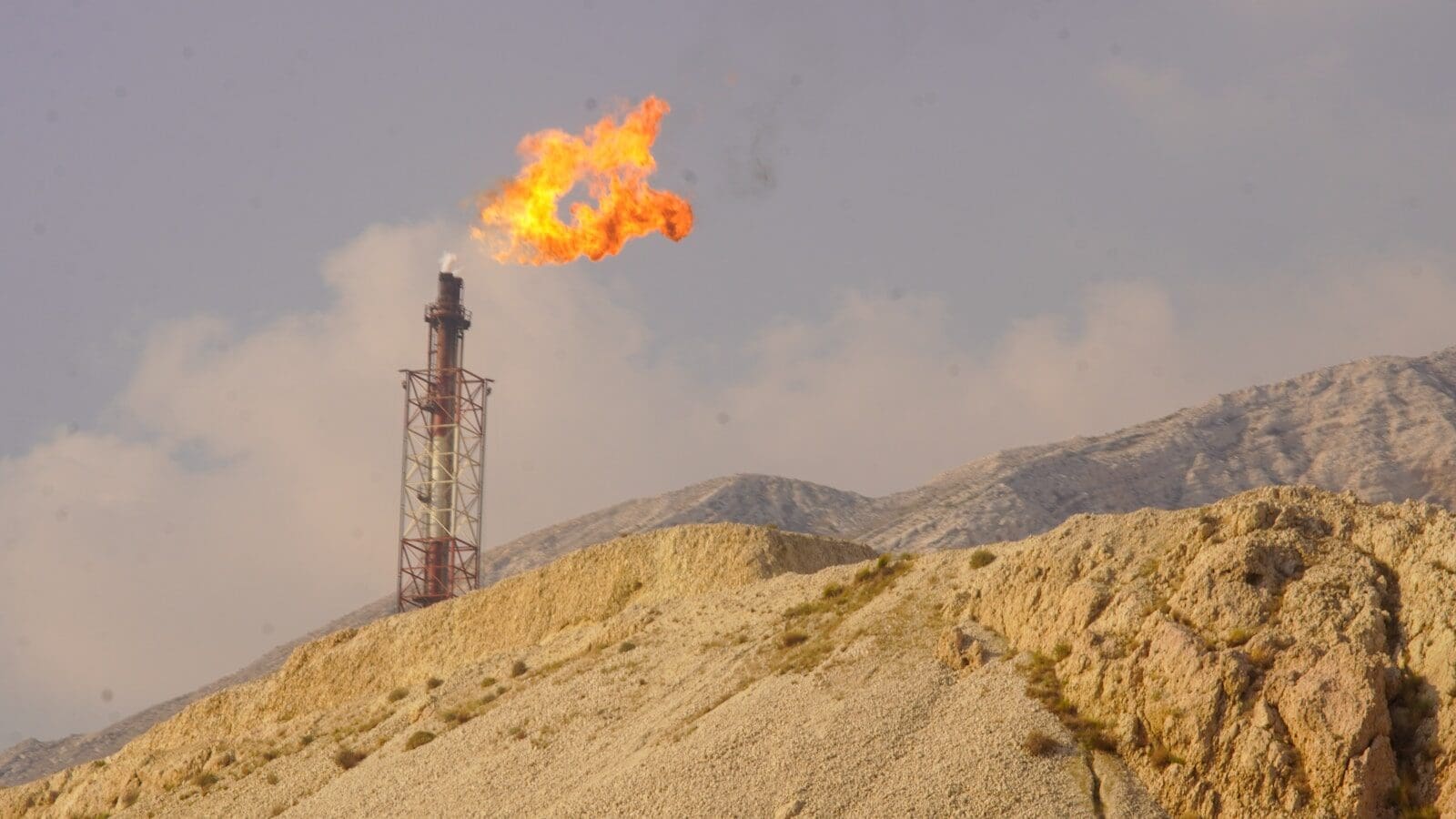
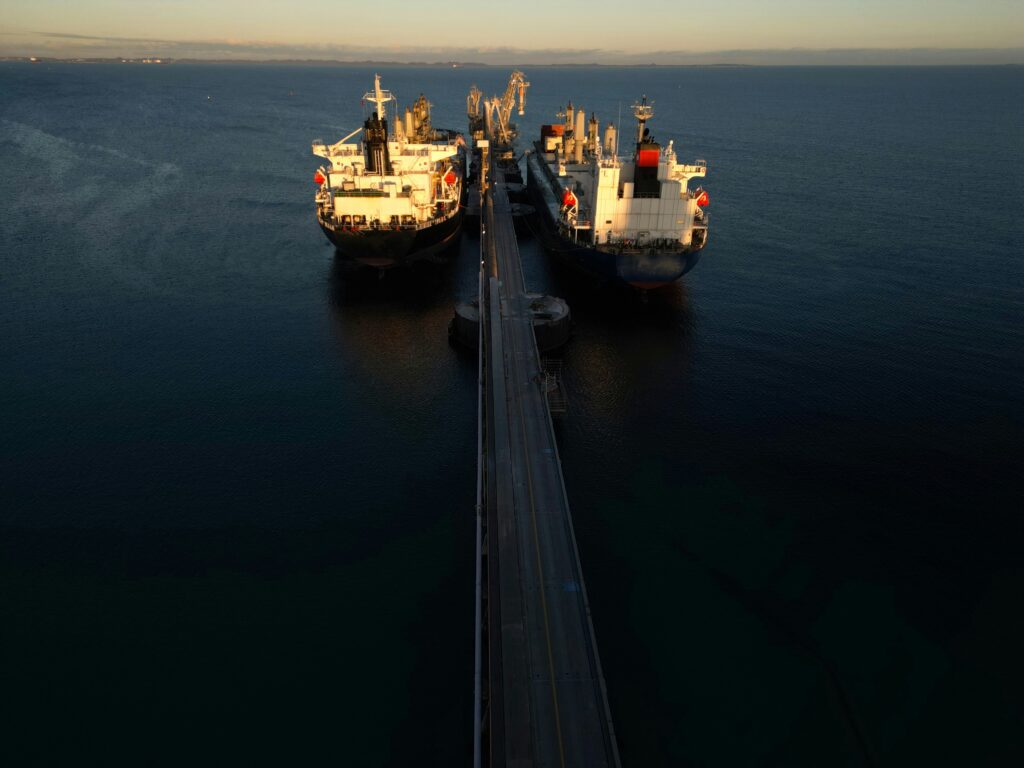
The Strait of Hormuz, through which approximately 20% of the world’s oil supply passes, has seen tanker traffic fall by 90% after Iran moved to close it to non-allied vessels and began attacking passing ships. According to Reuters, the disruption represents one of the most severe single choke-point supply shocks in the history of global energy markets.
Dubai in the Crosshairs
The 16 March drone strike on a fuel depot near Dubai International Airport brought the conflict into one of the world’s busiest aviation hubs. Thick smoke from the burning facility forced the suspension of flights, disrupting one of the primary transit nodes connecting Europe, Asia, and Africa. The images of smoke rising over Dubai’s skyline marked a psychological inflection point — a signal that no part of the Gulf’s commercial infrastructure can be assumed safe.
The economic exposure of European businesses with Gulf operations has moved sharply up the risk agenda as a result. Dubai’s role as a regional headquarters for multinational firms means the disruption extends well beyond aviation into supply chains, financial flows, and operational continuity planning across multiple sectors.
Prices, Pumps, and Political Pressure
Oil has crossed $101 per barrel, a threshold that triggers automatic stress responses across virtually every energy-dependent economy. In the United States, average gasoline prices have risen 20% to $3.60 per gallon — a politically toxic number for an administration already navigating significant domestic pressure. President Trump has called for allied warships to escort vessels through the region, but has encountered resistance from Gulf states unhappy about the lack of advance warning before the initial strikes.
The International Energy Agency has been monitoring the drawdown of strategic reserves and the rerouting of supply flows as the crisis deepens. Its assessments will be central to how European governments calibrate their own emergency response in the weeks ahead.
For European energy markets already managing post-Russia supply adjustments, a sustained Hormuz closure adds a second simultaneous shock to a system that has not fully stabilised from the first. The arithmetic of European energy security — always tight — is becoming considerably more strained.
Russia Watches, Europe Worries
As explored in our analysis of Russia’s sanctions windfall, Moscow has moved rapidly to exploit the price surge, loading crude onto tankers at record export prices while a US tariff waiver has cleared the way for global buyers to purchase Russian barrels without sanctions consequences. The geopolitical geometry of the crisis is therefore deeply uncomfortable for Europe: higher energy costs, a distracted Washington, and a financially strengthened Kremlin.
European policymakers navigating the intersection of energy security and geopolitical risk face a set of choices with no clean options. The pressure to act on strategic reserves, accelerate renewables deployment, and shore up LNG supply agreements has never been more acute.
The third week of this conflict has not produced a ceasefire or a diplomatic opening. What it has produced is clarity — about vulnerability, about dependency, and about how quickly the architecture of global energy supply can fracture under sustained military pressure.
FAQs
Why is the Strait of Hormuz so critical to global oil supply? The Strait of Hormuz is the world’s most important oil transit chokepoint, with roughly 20% of global oil supply — including significant volumes from Saudi Arabia, the UAE, Iraq, and Kuwait — passing through it daily. Iran’s closure of the strait to non-allied vessels has removed that supply from global markets almost overnight.
How is the Iran conflict affecting European energy prices? The 90% drop in Hormuz tanker traffic and the resulting spike to $101 per barrel is feeding directly into European wholesale energy prices, compounding supply pressures that have persisted since the Russia-Ukraine conflict began. European governments are now assessing strategic reserve releases and emergency LNG procurement to offset the shock.
The post Iran Shuts Gulf Oil Routes and Grounds Flights — Global Impact Is Only Just Beginning appeared first on European Business & Finance Magazine.