


















Why The Biggest Winner From the US-Iran War Isn’t in the Middle East — But in Moscow
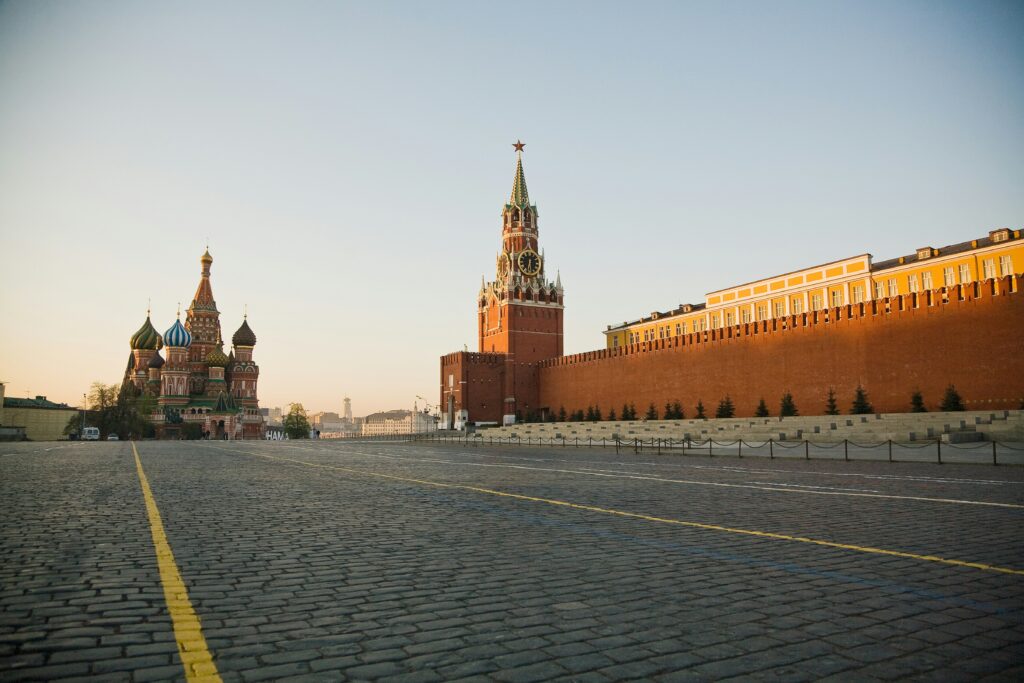
Quick Answer- Russia has emerged as an unexpected beneficiary of the US-Iran conflict, with surging oil prices and a Trump administration sanctions waiver allowing global buyers to purchase Russian crude without penalty. The move has cleared a backlog of idling tankers, pushed prices for Russia’s key export blend to record highs, and delivered a significant economic reprieve to a Kremlin economy under sustained pressure.
Two weeks into a regional war that has reshaped the energy map of the Middle East, one winner has emerged with unusual clarity — and it is not a country doing the fighting.
Russia has moved quickly to exploit the crisis triggered by Iran’s effective closure of the Strait of Hormuz. With global oil markets thrown into disarray and prices spiking, Moscow rushed to load crude onto tankers and push volumes into international markets at precisely the moment buyers were scrambling for alternative supply. The timing was not accidental.
What made the opportunity decisive, however, was not the price surge alone. It was a tariff waiver issued by the Trump administration — a concession driven by mounting domestic pressure over rising gasoline prices — that now permits buyers to purchase Russian barrels without triggering the sanctions tied to the Kremlin’s ongoing war on Ukraine. For Vladimir Putin, whose economy has been grinding under the weight of Western financial restrictions since 2022, the combination of record export prices and renewed market access represents a lifeline that few in Moscow could have anticipated.
A Flotilla Cleared, a Record Set
The practical effects have been immediate. A flotilla of tankers that had been sitting idle, loaded with Russian crude and unable to offload without sanctions exposure, has begun to move. The easing of restrictions on Indian refiners has proved particularly significant — several vessels that had been heading toward the Strait of Malacca reversed course toward India, while others departing the Red Sea are now sailing directly to refineries along India’s west coast.
The surge in buying activity has pushed prices for Russia’s Urals blend to a record high, delivering a windfall to Kremlin revenues at a moment when the war in Ukraine continues to drain the state budget. The relationship between oil revenues and Russian military capacity has been a central concern of Western policymakers throughout the conflict — and this development cuts directly against the sanctions strategy that has been painstakingly constructed over the past four years.
Europe’s Fury, Washington’s Calculation
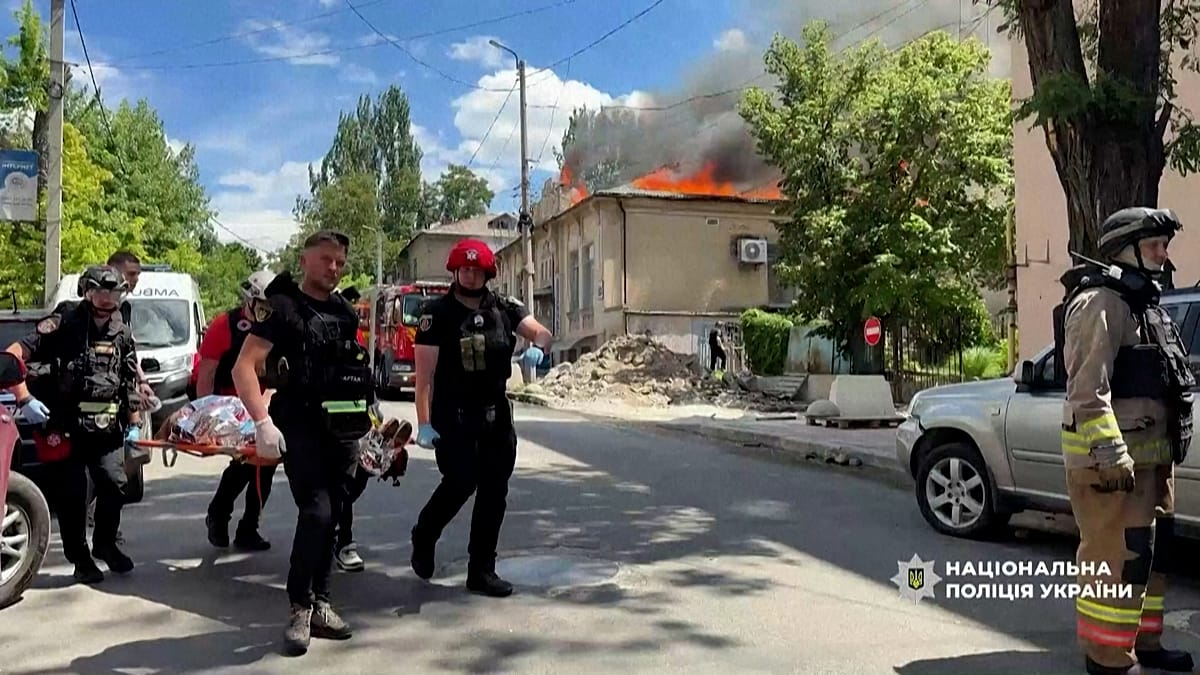
European leaders have reacted with open anger. The decision by the White House to ease sanctions pressure on the Kremlin while Russian forces continue to strike Ukrainian cities has exposed a deepening transatlantic fault line — one that goes beyond tactical disagreement into a fundamental divergence over how the war should be prosecuted and at what economic cost to Western consumers.
For the Trump administration, the domestic calculus is straightforward: spiking gasoline prices are a political liability, and increasing the supply of crude available to global markets — including Russian barrels — is the fastest lever available. Whether that calculation holds if the geopolitical consequences for European security continue to escalate remains an open question.
The Kremlin, meanwhile, is watching with interest for what comes next. Analysts have noted that further sanctions relief from Washington remains possible if Middle Eastern crude flows through the Strait of Hormuz do not fully resume — a prospect that hands Moscow additional leverage in a situation it did nothing to create but has moved rapidly to exploit.
The broader impact on European energy markets and the continent’s exposure to renewed Russian economic influence will concern policymakers in Brussels and Berlin in equal measure. A Russia that is financially stronger is a Russia that can sustain its military campaign for longer — and that is a reality European capitals are now being forced to confront directly.
The war in the Middle East has many fronts. The one that may matter most to Europe is being fought at the pump.
FAQs
Why is the US easing sanctions on Russian oil? The Trump administration issued a tariff waiver primarily in response to domestic pressure over rising gasoline prices caused by Iran’s disruption of Strait of Hormuz oil flows. The waiver allows buyers to purchase Russian crude without triggering Ukraine-related sanctions penalties.
How is Russia benefiting from the US-Iran conflict? Russia has benefited in two ways: oil prices have surged due to supply disruption in the Middle East, and the US sanctions waiver has allowed Russian crude to flow freely to buyers including Indian refiners. The combination has pushed Russia’s Urals export blend to record prices and cleared a backlog of previously stranded tankers.
The post Why The Biggest Winner From the US-Iran War Isn’t in the Middle East — But in Moscow appeared first on European Business & Finance Magazine.