



































What Happened in the Global Economy This Week? Key Events Explained

Europe: Trade Uncertainty Weighs on Markets, Confidence Improves
European equity markets declined over the week as renewed geopolitical and trade concerns unsettled investors. Major indexes across the region posted losses, with Italy and Germany among the weakest performers. Lingering uncertainty around global trade policy and political developments continued to influence sentiment.
Despite softer markets, business activity data offered some encouraging signs. Surveys showed modest expansion across the eurozone in January, supported by a rise in new orders. Business confidence reached its highest level in nearly two years, reflecting cautious optimism about the outlook for growth. In the United Kingdom, activity strengthened further, suggesting the potential for improved economic momentum in the coming quarter. The UK labor market, however, showed signs of strain. Unemployment remained at a five-year high, with job losses concentrated in retail and hospitality. Wage growth continued to slow, easing some inflation pressures but raising concerns about household income growth. Inflation unexpectedly ticked higher in December due to
rising airfare and tobacco costs, although the Bank of England still expects inflation to fall back toward its target by spring.
Elsewhere, Norway’s central bank kept interest rates unchanged, signaling that rate cuts may begin later this year. Trade policy remained a key focus after the European Parliament delayed approval of the EU’s proposedagreement with South America’s Mercosur bloc, adding another layer of uncertainty to the region’s economic outlook.
United States: Growth Revised Higher Amid Market Volatility
U.S. equity markets ended a shortened and volatile trading week slightly lower as investors reacted to shifting trade headlines and mixed economic signals. All major indexes declined modestly, with mid-cap stocks leading the losses. Markets were closed on Monday for Martin Luther King Jr. Day, compressing the week’s activity into four sessions.
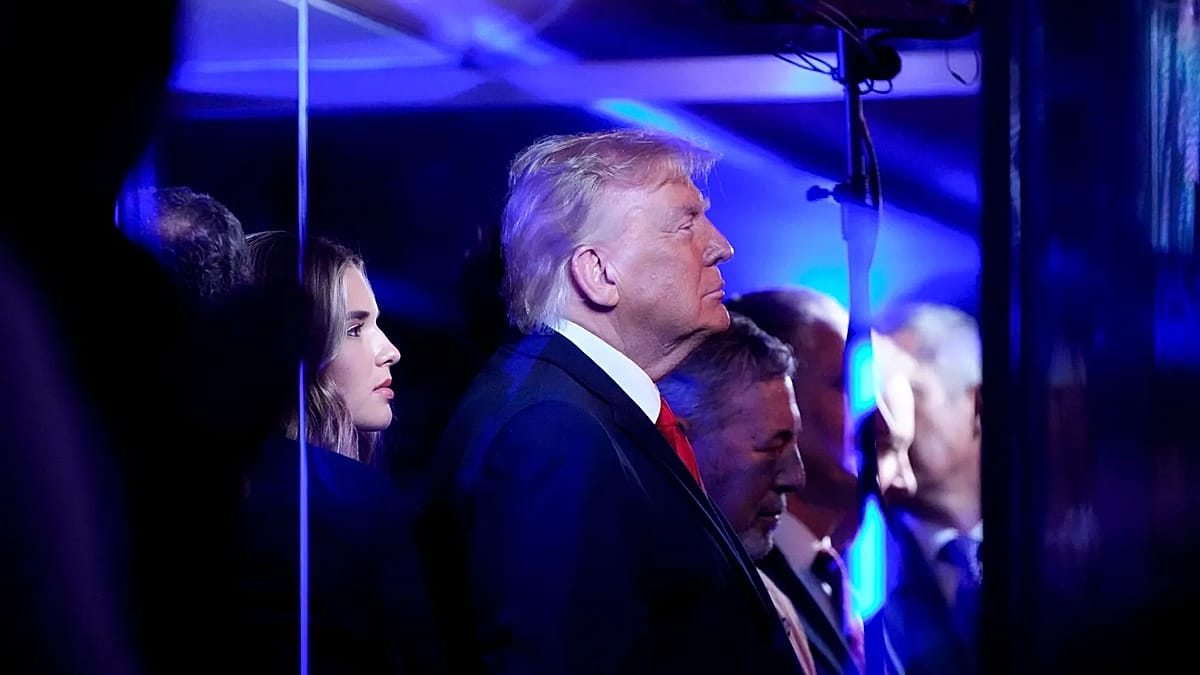
Early in the week, stocks fell sharply after renewed concerns about a potential global trade conflict. Investor sentiment weakened following comments from President Donald Trump about imposing tariffs on certain European nations in connection with negotiations over Greenland. However, midweek optimism returned when the president signaled a softer stance and postponed the planned tariffs. This reversal helped markets recover part of their earlier losses.
On the economic front, revised data showed the U.S. economy performed better than previously expected in the third quarter. Gross domestic product growth was adjusted upward to an annual rate of 4.4%, supported by stronger exports and business investment. Inflation, however, remains elevated. The Federal Reserve’s preferred measure showed prices rising 2.8% year over year, still above the central bank’s long-term target. Labor market conditions remained stable, with jobless claims near their lowest levels in two years, suggesting layoffs remain limited. Consumer sentiment improved modestly in January, though confidence remains significantly lower than a year ago as households continue to feel pressure from high prices and concerns about future employment.
Asia and Global Bonds: Political Shifts and Uneven Growth
In Asia, markets reflected a mix of political developments and uneven economic performance. Japanese stocks edged lower as investors reacted to domestic political uncertainty and rising government bond yields. Prime
Minister Sanae Takaichi announced an early election and proposed a temporary cut to food consumption taxes, raising concerns about government finances. These worries pushed long-term bond yields to their highest
levels in decades. The Bank of Japan left interest rates unchanged but revised its inflation and growth forecasts higher, signaling
confidence in continued wage and price increases. The Japanese yen remained volatile, reflecting sensitivity to bond market movements and central bank commentary. China’s markets finished mixed as new data highlighted the country’s uneven recovery. The economy grew 5% in 2025, meeting official targets, but growth slowed in the fourth quarter. Industrial production strengthened late in the year, supported by exports, but domestic demand remained weak. Fixed investment declined for the first time in decades, and retail sales growth slowed, underscoring challenges in sustaining momentum amid rising global protectionism.
In global bond markets, corporate bonds outperformed government debt as investors showed confidence in economic resilience. U.S. Treasury yields moved modestly, while municipal bonds softened slightly. Overall,investors continued to balance optimism about growth with caution around inflation, fiscal risks, and geopolitical uncertainty.
Looking Ahead –
Global markets ended the week balancing solid economic data with political and trade uncertainty. U.S. growth remained strong despite lingering inflation concerns, while Europe showed improving business confidence alongside labor and inflation pressures. In Asia, political shifts in Japan and uneven growth in China kept investors cautious. Overall, resilience in economic activity is supporting markets, but volatility is likely to continue as inflation, fiscal policy, and geopolitics remain key risks
The post What Happened in the Global Economy This Week? Key Events Explained appeared first on European Business & Finance Magazine.