






















The EU accounts for around 90% of external financing in Bulgaria, reports a study by IPI
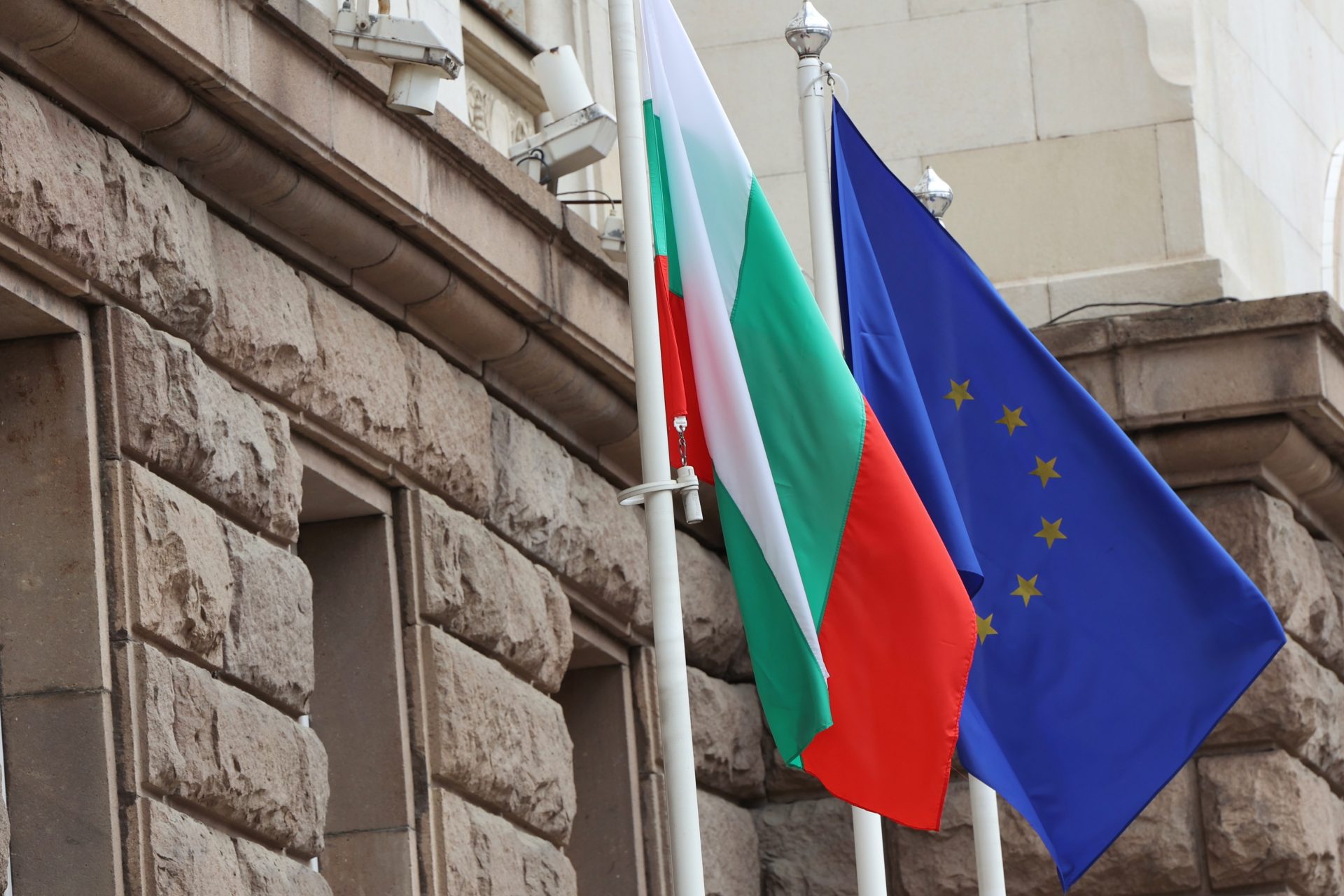
SOFIA – The European Union (EU) accounts for about 90 percent of external financing in Bulgaria, according to a study of non-repayable foreign aid in the country since the transition, prepared by the Institute for Market Economics (IME). The study was presented at the House of Europe in Sofia.
The IME analysis is based on various publicly available sources, examines external aid for Bulgaria without including national co-financing, and does not claim to assess the effectiveness of the use of the payments, said the chief economist of IME Lъchezar Bogdanov. The data show that external support increases after our accession to the EU, which is also related to the growth of the country’s economy.
From 1989 to the end of 2024, Bulgaria receives (by conservative estimates) about 70 billion leva, and by preliminary estimates for 2025 alone this is an additional six to seven billion leva, said Bogdanov. Over the last decade this has been about 3 percent of the average annual gross domestic product. After accession to the EU this funding contributes about 7 percent of revenues in the consolidated budget.
The data also show cyclicality in the management of funds from the EU budget – in the last year in which they can be spent, there are peaks, which Bogdanov commented on as a weakness of the Bulgarian government, the administration and the municipalities in the management of the funds, because in his words it would be more logical to have an even absorption of the funds.
According to the data, the largest share – over 30 percent or nearly one third, of the non-repayable financing goes to agriculture. Bogdanov said that it is important to imagine 30 percent of 70 billion leva for this period, adding that this is a large-scale investment in Bulgarian agriculture and every analyst and Bulgarian taxpayer should ask themselves to what extent this contributes to more efficient agriculture in the country.
Between 10% and 15 percent of the funds are for transport infrastructure, urban development and rural areas, environment, competitiveness and innovation, nearly 10 percent – for human resources. It can be seen that all spheres of socio-economic life have been supported with non-repayable external financing. The funds have reached, in practice, everywhere, commented Bogdanov.
The IME analysis also examines other sources of financing in Bulgaria – programmes under the Financial Mechanism of the European Economic Area (Norway, Iceland, Liechtenstein), with funds for the 2014-2021 programming period reaching 222 million leva. The most resources are directed to the programme for poverty reduction and regional development and the programme for justice – over 50 million leva each. Support for civil society in Bulgaria is provided through established programmes for non-governmental organizations – about 7 percent of the total planned budget for the period 2014-2021, the analysis notes.
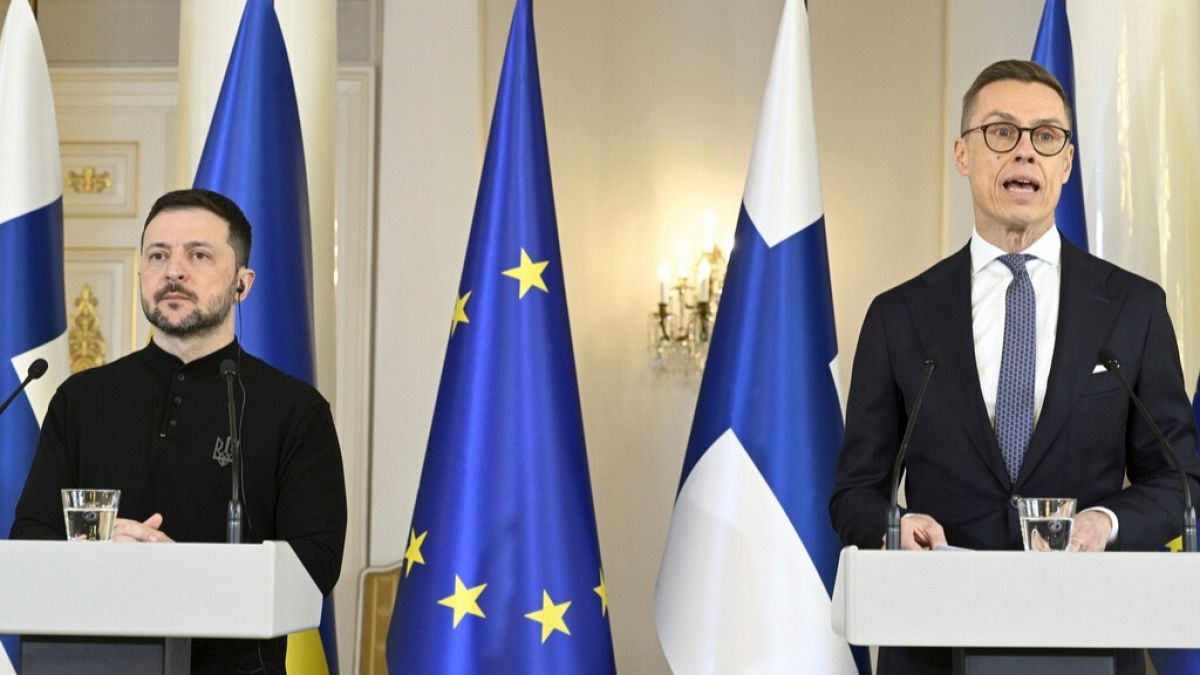
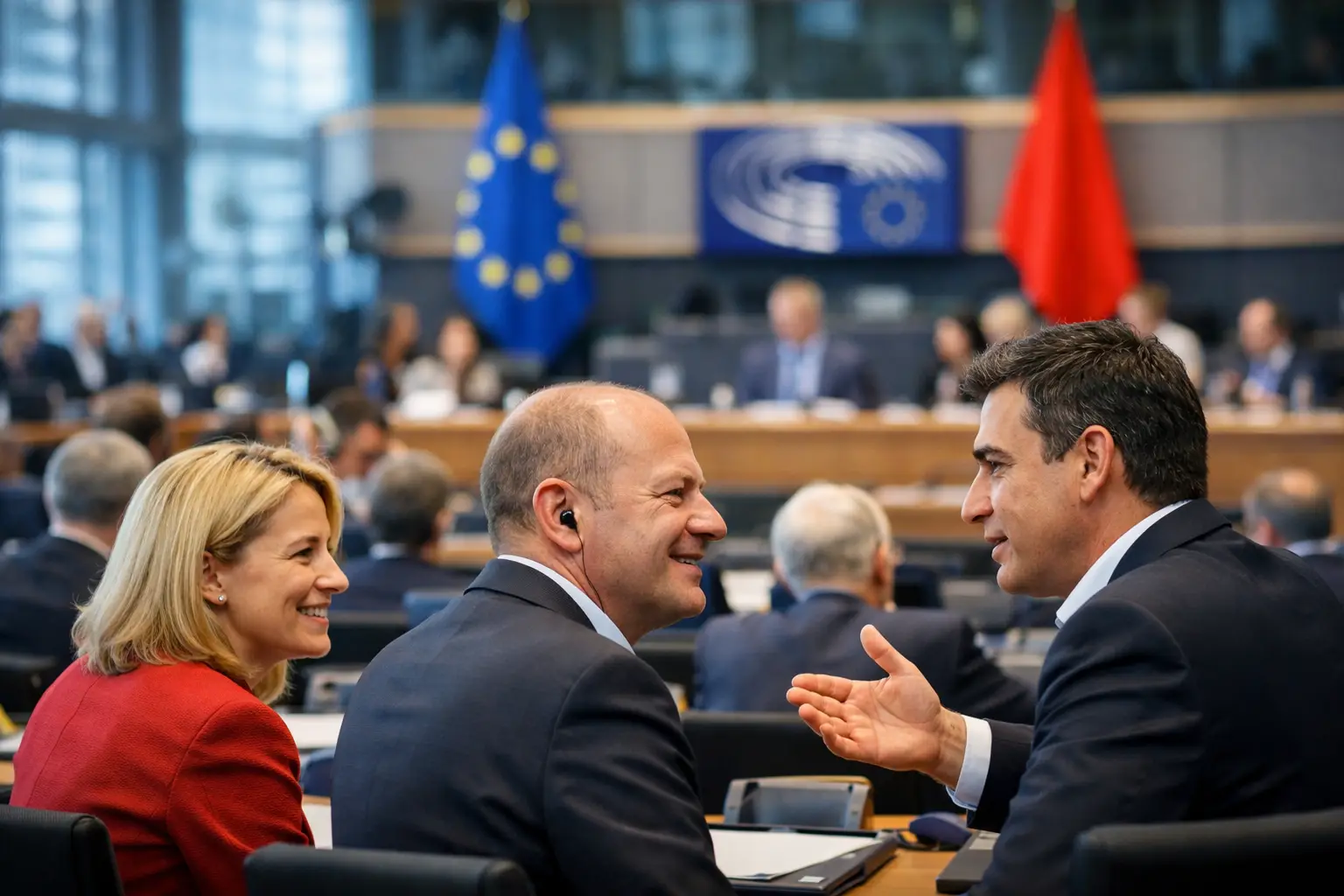
I am happy that the EU, through its solidarity, is the one that has contributed the most to the development of Bulgaria from the 1990s to the present day, said the head of the Representation of the EC in the country Yordanka Chobanova. She added that this is a resource that comes from all taxpayers and its added value is in specific projects that are implemented, in those implemented, or in missed benefits. (15 December)