




























Šebestyán: Czech Republic calls for stricter safeguard measures regarding the agreement with Mercosur
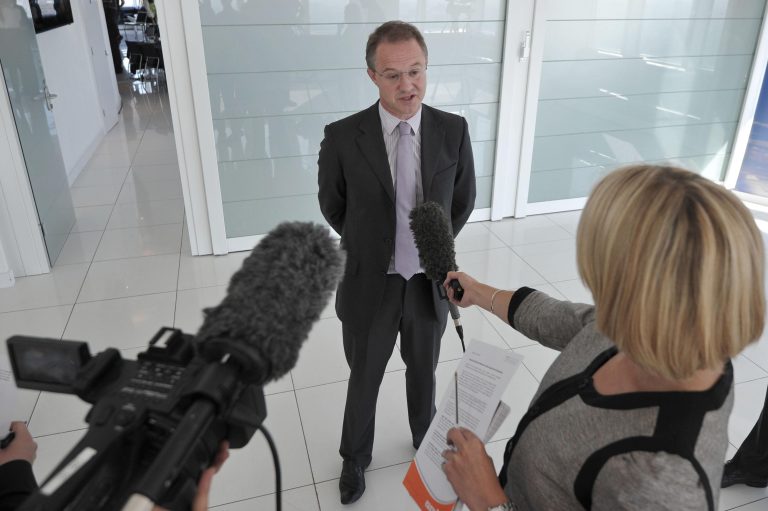
Brussels – The Czech Republic understands the need for trade agreements, such as the agreement with Mercosur currently being finalized, but would welcome much stricter safeguard measures. The new Minister of Agriculture Martin Šebestyán told Czech journalists in Brussels today, after taking part in a hastily convened afternoon meeting of EU ministers with representatives of the European Commission. According to him, representatives of the Commission promised to address these objections by the end of this week.
“I assumed that I was coming here primarily to deal with the European Commission’s response to the protests of our farmers on 18 December. I must say that I expected more concrete conclusions,” said Šebestyán. He nevertheless appreciated that the new presiding country, Cyprus, had promised faster progress in addressing farmers’ objections, especially regarding the future Common Agricultural Policy and its structure.
The debate was then, according to the Czech minister, partly influenced by the fact that this Friday representatives of the member states are to finally approve the EU trade agreement with the Mercosur countries, which include Brazil, Argentina, Paraguay, Uruguay and Bolivia.
“We understand the need for trade agreements. Not only with Mercosur, but in general we would welcome much stricter safeguard measures in these agreements,” said Šebestyán. “We are still waiting for a response from the European Commission. It falls under the remit not only of the Ministry of Agriculture, but primarily of the Ministry of Industry and Trade and the Prime Minister,” he replied when asked whether the Czech Republic had already decided how it would vote on Friday.
The trade agreement with the group of Latin American countries has been in preparation for 25 years. Germany, Spain and the Nordic EU countries believe that it will help exports affected by US tariffs and that it will reduce dependence on China thanks to access to mineral resources. Critics, on the other hand, fear that the agreement will flood the EU market with cheap commodities, to the detriment of European producers. (7 January)