





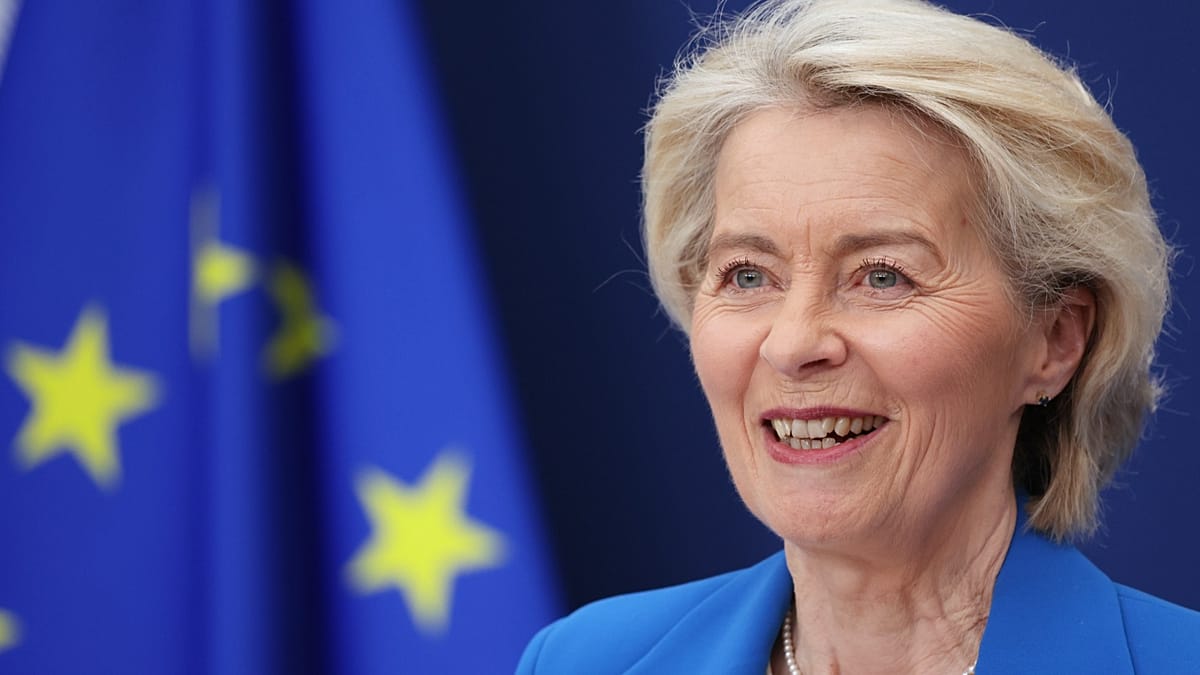








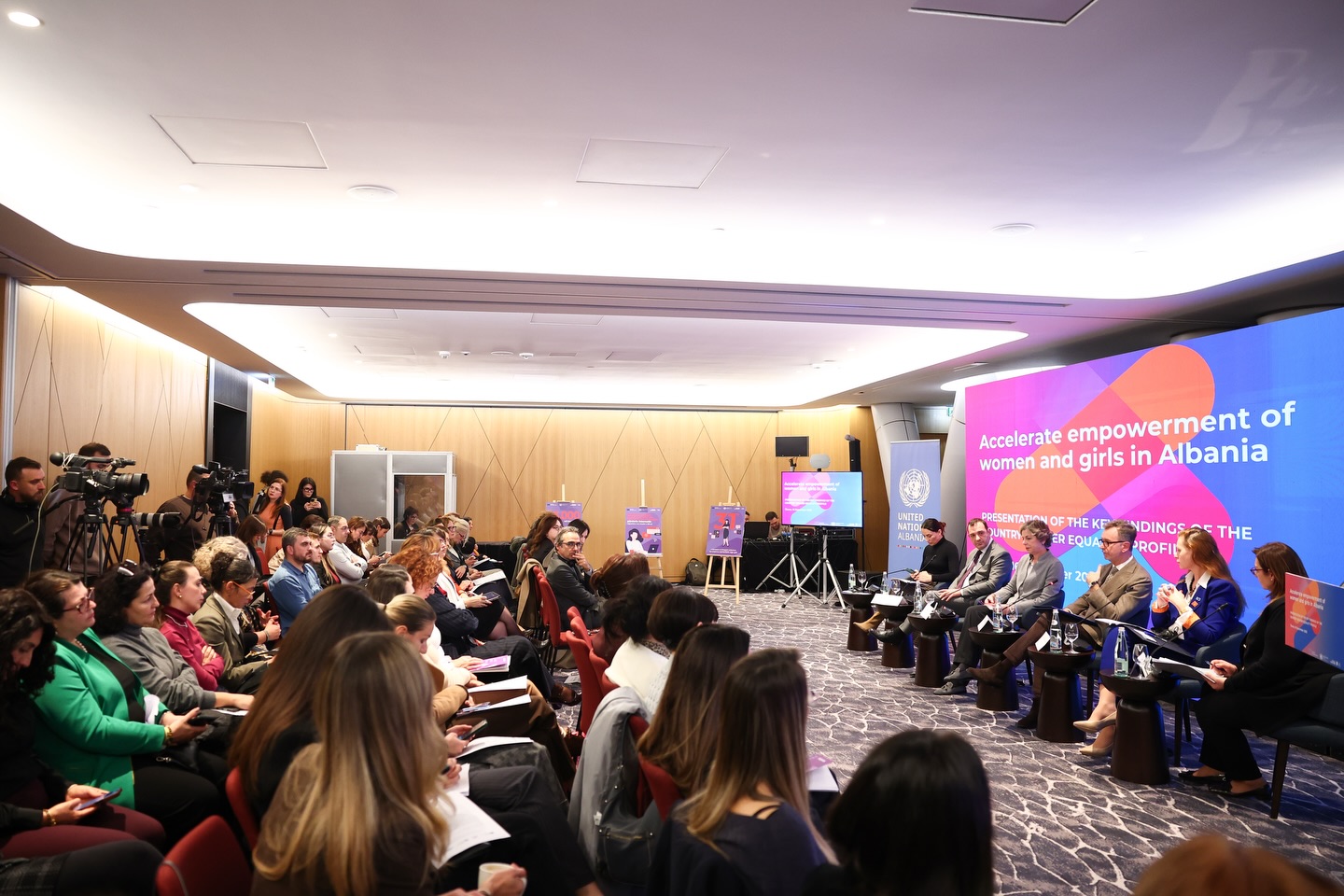
Presentation of the report on the state of gender equality in Albania, funded by the EU
The European Union financed in Albania the report on the state of gender equality, implemented by UN Women.
The report shows progress in the adoption of laws and policies for gender equality, but also points out that implementation remains uneven, leaving many women behind.
Women in Albania continue to face obstacles in economic opportunities and, more often than we think, are victims of various forms of violence.
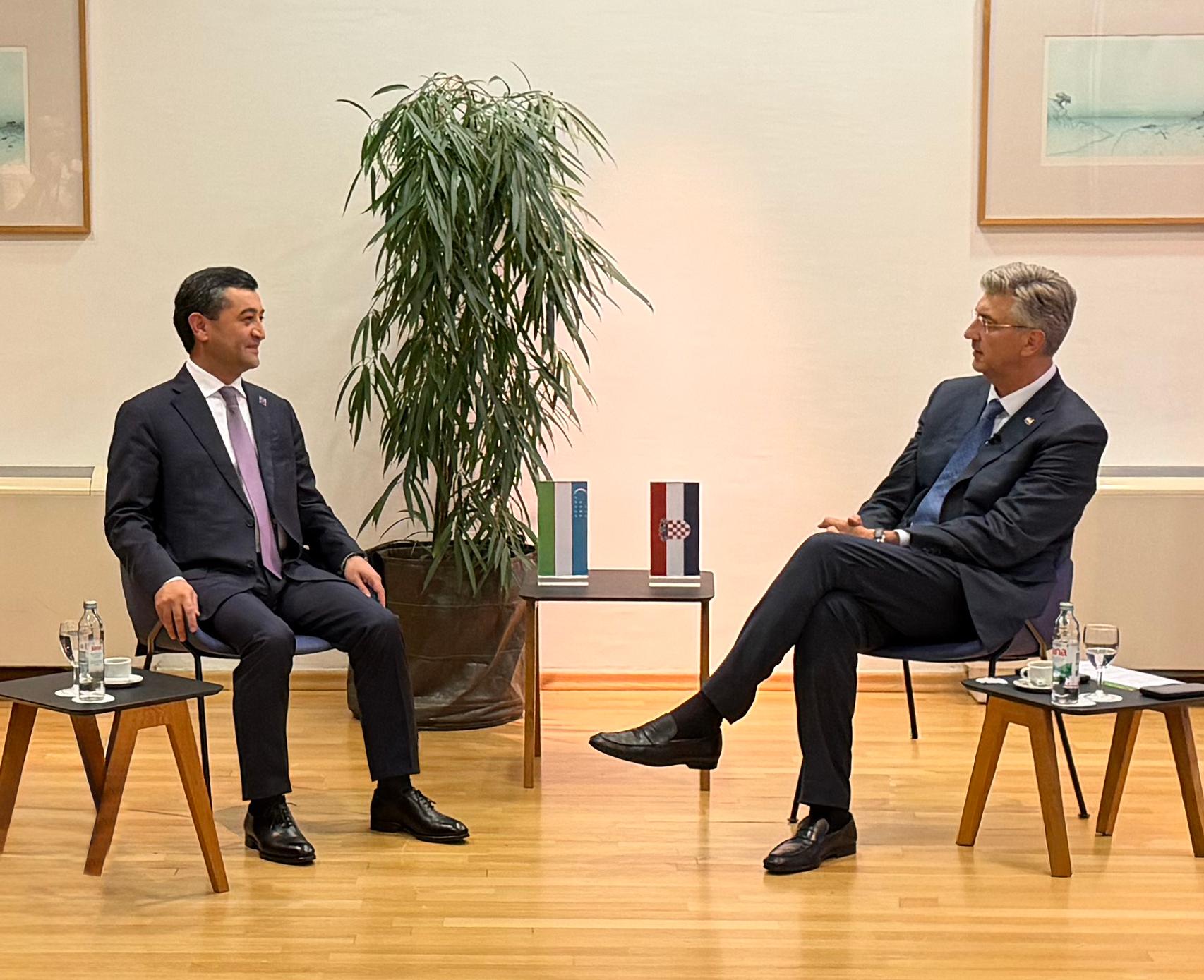
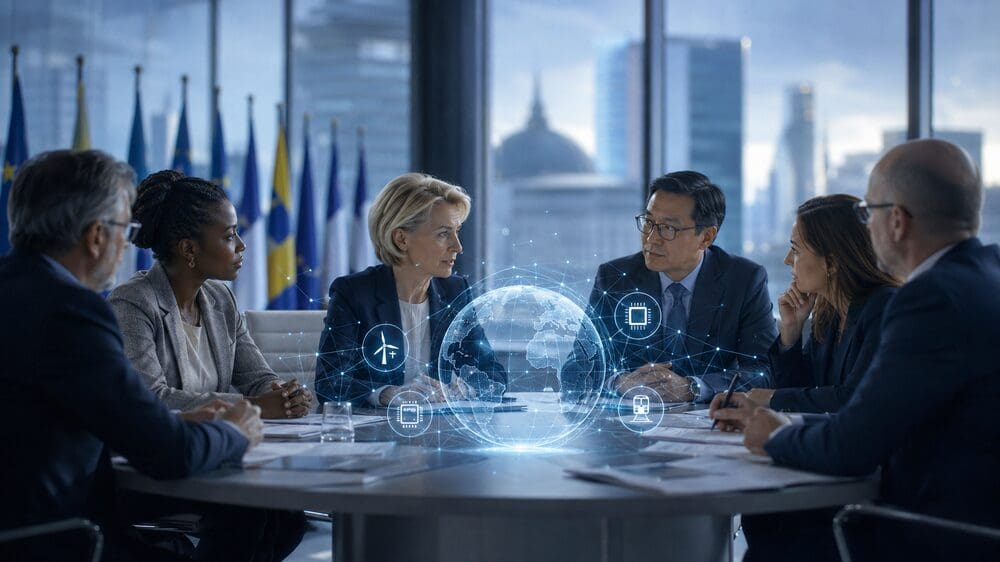
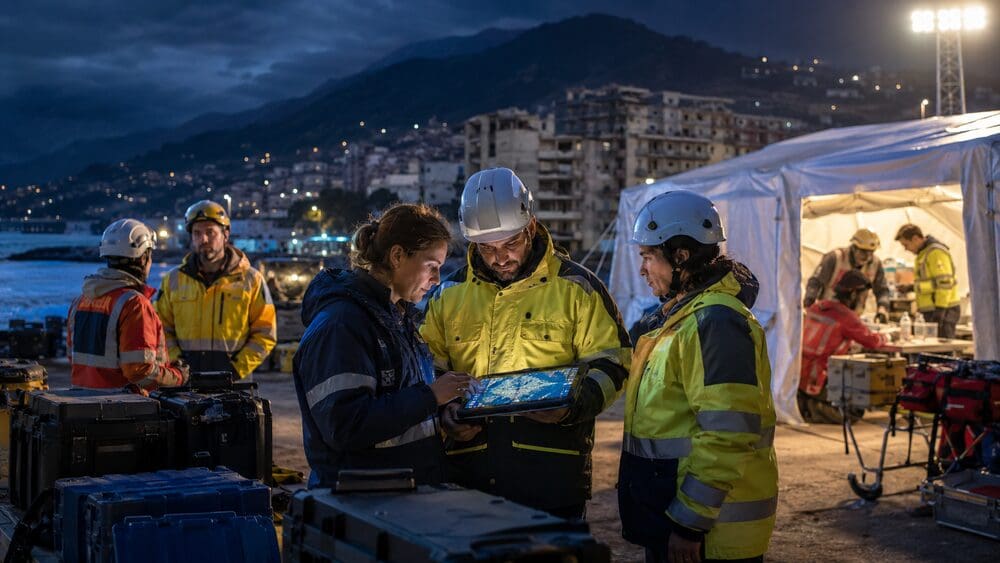
At the event organized by the Ministry of Health and Social Welfare, UN Women and the Office of the European Union in Tirana, where the Gender Equality Profile was presented, authorities and stakeholders came together to analyze the findings.
Present at the event, the ambassador of the European Union in Albania, Silvio Gonzato, stated that gender-based violence is a serious human rights issue in Albania and addressing it is essential also for the EU accession process.
“The UN study, which we have proudly funded, not only analyzes the problems, but also helps guide actions: from the fight against discrimination and strengthening support for victims of gender-based violence, to addressing online abuse and promoting the economic independence of women,” said the EU ambassador.
Gonzato placed the emphasis on expanding legal and psycho-social protection. “This also has to do with the fact that victims of violence must have the opportunity to move on to a normal life, that is, to have economic independence, which is extremely important in order to return to reality. It means restoring justice to those people to whom it had been denied,” he said.
For her part, the Albanian Minister of Health and Social Welfare, Evis Sala, stated that Albania’s Gender Equality Profile constitutes a very good basis for the work that must continue in this direction.
According to her, despite the improvement of legislation and public policies over the years, structural challenges in the field of gender equality remain and require continuous work.
The minister pointed out that economic equality is one of the main pillars that directly affects gender equality in general. (18 December)