




























Oil Prices Surge as Iran Missiles Shatter Hopes of a Lasting Ceasefire
EBM NEWSDESK ANALYSIS-Anthony Gill
Brent surged 4.4% after Iran launched missiles at Israel for the first time since the ceasefire took effect. The fragile diplomacy holding energy markets together just got considerably more fragile.
The Strike That Moved Markets
Oil markets had spent six weeks pricing in a deal. On Sunday night, Iran reminded them why that was premature.
Brent crude spiked as much as 4.4% to $97.15 a barrel, while West Texas Intermediate jumped above $94, after Israel said it struck military targets in western and central Iran following missile attacks by the Islamic Republic — the first direct Iranian attack on Israel since the ceasefire between the two countries took effect in April. By Monday, international benchmark Brent futures had advanced 3.18% to $96.05 per barrel, with US West Texas Intermediate gaining 3.46% to $93.67 a barrel.
The timing is significant. Oil prices had tumbled around 20% from 2026 highs as investors grew increasingly optimistic over prospects for a lasting ceasefire deal between the US and Iran that would unlock shipping through the Strait of Hormuz. That optimism is now being stress-tested in real time.
What Happened and Why It Matters
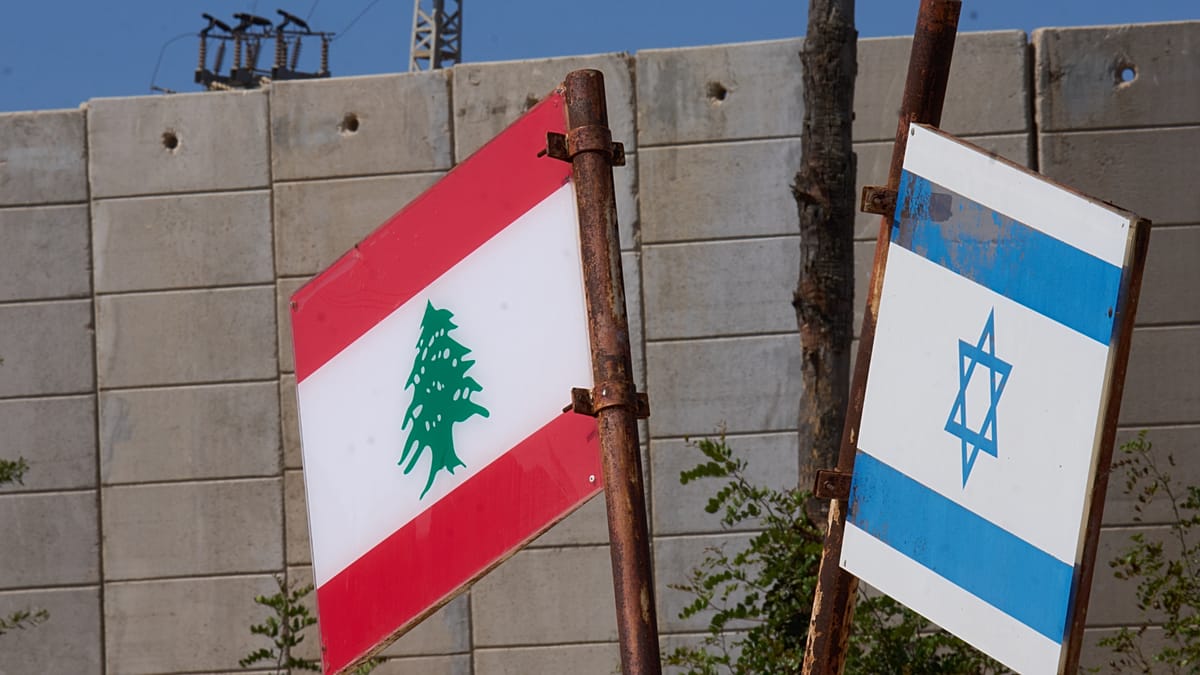
Sunday’s missile salvo marked the first direct Iranian attack on Israel since the ceasefire took effect in April. The strikes came hours after Israel carried out an airstrike in Beirut targeting what it described as a Hezbollah command centre — Iran had warned the previous week that it would launch missiles at Israel if Beirut was targeted. Israeli authorities reported all incoming missiles were intercepted with no casualties, but the absence of casualties did little to calm markets as fears of broader escalation intensified.
Iran’s Parliamentary Speaker MB Ghalibaf stated that US naval blockade and military action in Lebanon constituted violations of the ceasefire, and that US and allied bases and assets in the region were now legitimate targets. The language significantly raises the stakes for the diplomatic track that energy markets have been banking on. Fortune Business Insights
OPEC+ meanwhile agreed to increase output targets by 188,000 barrels per day from July — the fourth consecutive production quota hike since the closure of the Strait of Hormuz. The incremental increases reflect a cartel attempting to manage a market running structurally short of supply while simultaneously watching the diplomatic situation deteriorate.
The Strait Remains the Critical Variable
The Strait of Hormuz is the lens through which every development in this conflict must be read commercially. Roughly 20% of the world’s oil transits through the waterway. Since its effective closure earlier this year, energy markets have been operating under conditions of sustained supply shock — the kind that does not resolve quickly even when diplomacy succeeds.
UBS analysts noted that despite optimism over ceasefire talks, there is still little evidence of any short-term improvement in vessel traffic or energy flows through the region, with crude loadings inside the Gulf remaining extremely low. Iran crude loadings for May came in below 0.3 million barrels per day — down sharply from April’s average of 1.5 million barrels per day and March’s 1.7 million barrels per day. Cognitive Market Research
TD Securities warned that the oil market will lose another one billion barrels of crude production and 800 million barrels from inventories between June and November even in the most optimistic scenario — one in which Hormuz fully reopens. The arithmetic is unforgiving. Even a successful deal does not immediately solve the supply problem that months of closure have created.
For European businesses and consumers already navigating elevated energy costs, the implications are direct. The Iran war’s consequences for European energy prices have accelerated structural shifts that were already underway — and any extension of the conflict deepens that pressure considerably.
Trump, Netanyahu and a Deal Under Strain
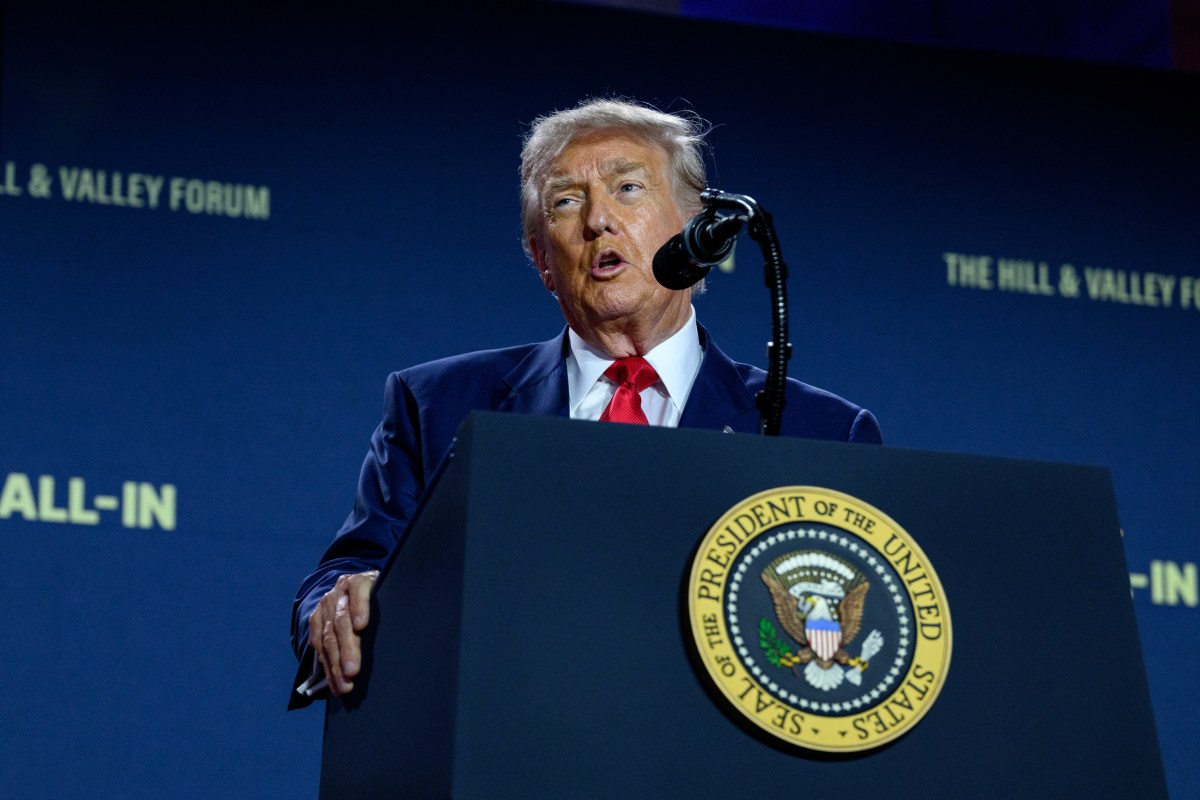
President Trump attempted to reassure markets that diplomacy remains on track, telling the Financial Times shortly after Iran’s attack that the United States “calls the shots” and that Israeli Prime Minister Netanyahu “won’t have any choice.” Trump added that the attacks “will not have any effect” on the deal.
Trump told Fox News separately that the Iranian missile attacks were “certainly not going to help negotiations.” An Iranian official involved in the US-Iran talks told media that “a deal with President Trump is no longer feasible at this stage.”
Markets are therefore caught between two conflicting signals: a US president publicly insisting the deal remains alive, and an Iranian official publicly declaring it dead. The gap between those positions is where Brent crude will find its direction in the coming days.
The US and Iran had been understood to have mostly agreed on the terms of a 60-day memorandum of understanding to extend the ceasefire, pending sign-off from President Trump — yet strikes continued, with Iranian forces firing ballistic missiles at Kuwait and sending attack drones toward the Strait. The coexistence of near-agreement and active military operations captures the dangerous ambiguity that now defines this conflict.
For context on what elevated oil prices mean for the broader European economic outlook, our analysis of how stagflation has returned to Britain and what the FTSE is signalling sets out the downstream consequences that energy shocks of this magnitude produce across the continent’s major economies.
The Verdict
Sunday’s Iranian missile strike on Israel did not collapse the ceasefire. It did, however, expose how thin the foundations of that ceasefire actually are. A diplomatic track described as mostly agreed collided with active military operations in the same week — and oil markets moved accordingly.
The structural supply shortage created by months of Hormuz disruption means that even a genuine diplomatic breakthrough will not immediately relieve energy market pressure. What Sunday confirmed is that the risk premium which had been fading from crude prices over recent weeks has not, in fact, disappeared. It had simply been temporarily suppressed by optimism.
That optimism now requires more evidence than a White House statement to sustain itself. As we noted in our coverage of the Iran power crisis and how it is deteriorating faster than markets realise, the gap between diplomatic language and physical energy flows has been the defining analytical challenge of this conflict from the start. Sunday evening narrowed that gap — in the wrong direction.
RELATED READS:
- The Iran War Just Did What a Decade of Climate Policy Couldn’t — It’s Turning Drivers Electric — Sustained oil price shocks are accelerating EV adoption in Europe faster than any policy instrument managed to.
- The Iran Power Crisis Is Getting Worse Faster Than Markets Realise — The supply arithmetic is deteriorating faster than the diplomatic calendar can absorb.
- Stagflation Has Returned to Britain — and the FTSE Is Finally Reacting — Energy price shocks are feeding directly into the UK’s stagflationary trap. The data is now hard to ignore.
The post Oil Prices Surge as Iran Missiles Shatter Hopes of a Lasting Ceasefire appeared first on European Business Magazine.