

































Oil Prices Slide as Trump Tariff De-escalation Refocuses Markets on Oversupply

Brent crude slips below $64 as geopolitical tensions ease, though Kazakhstan’s Tengiz shutdown and API inventory data create near-term volatility amid structural 2026 surplus warnings
Oil prices declined Wednesday following a brief rebound rally, as diminishing US-Europe trade tensions redirected market attention toward underlying supply-demand fundamentals that signal persistent oversupply through 2026. Brent crude fell more than 1% to trade below $64 per barrel, while West Texas Intermediate dropped to approximately $59.50, surrendering gains accumulated during Tuesday’s Kazakhstan-driven surge.
The retreat follows President Trump’s apparent stepping back from tariff threats linked to his Greenland territorial ambitions, reducing immediate concerns about transatlantic trade disruptions that could weaken global economic growth and petroleum consumption. Trump’s Davos address Tuesday—while reiterating American intentions toward Greenland—stopped short of imposing the 10% tariffs threatened against eight European nations, providing markets temporary relief from escalation risks that dominated sentiment through mid-January.
Structural Oversupply Dominates Medium-Term Outlook
Despite short-term supply disruptions providing intermittent price support, the fundamental trajectory for 2026 remains bearish as production growth substantially outpaces demand expansion. The International Energy Agency, while raising its 2026 demand-growth forecast, simultaneously warned that supply increases will exceed consumption gains, creating a structural surplus approaching 3.85 million barrels per day—equivalent to nearly 4% of global demand.
This oversupply expectation reflects multiple converging factors: OPEC+ members gradually unwinding production cuts to regain market share, continued expansion of US shale output, and relatively modest demand growth constrained by economic headwinds in major consuming regions. The IEA’s revised demand forecast acknowledges stronger-than-anticipated consumption resilience but falls short of offsetting supply additions already committed across producing nations.
Market participants increasingly price in this fundamental imbalance, with traders viewing temporary geopolitical disruptions as insufficient to alter the broader supply glut narrative. The structural dynamics suggest downward pressure on prices will persist absent either dramatic demand acceleration or coordinated production discipline substantially exceeding current OPEC+ commitments.
Kazakhstan Disruption Provides Temporary Volatility
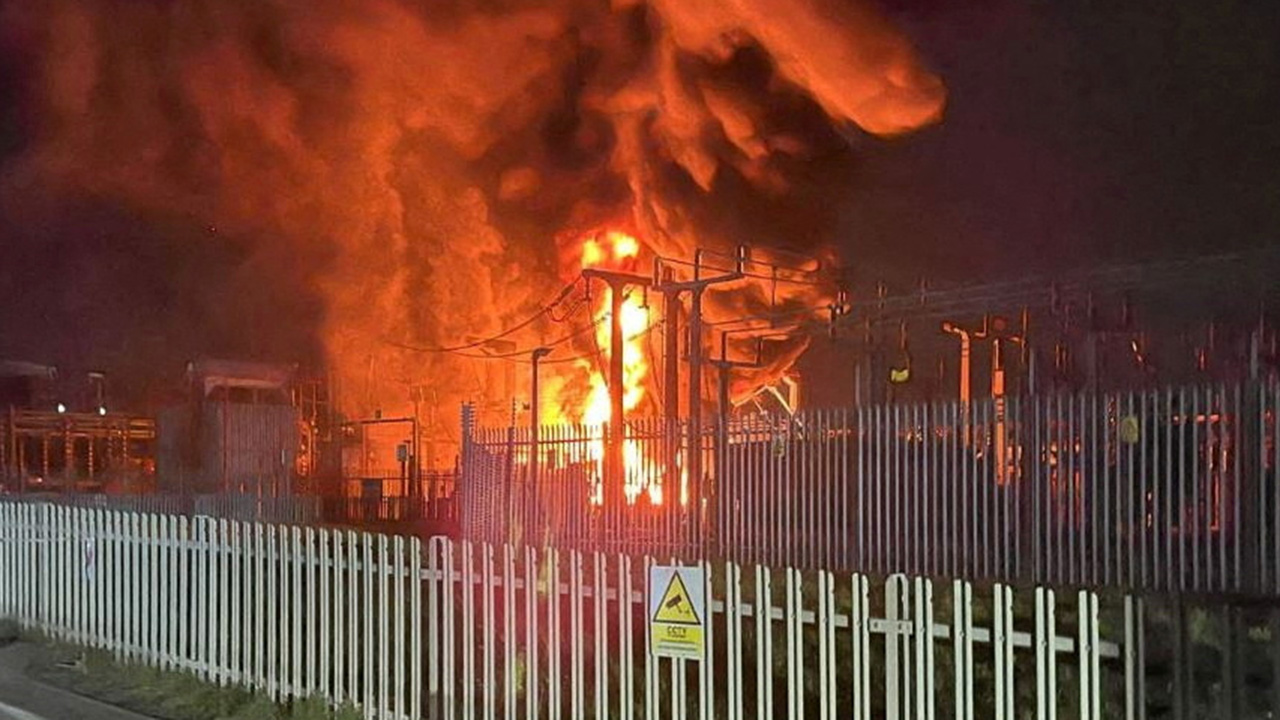
Tuesday’s 1.5% price rally was driven primarily by supply disruption at Kazakhstan’s Tengiz oilfield—one of the world’s largest onshore reservoirs—following fires at the GTES-4 power station that forced operator Tengizchevroil to halt production at both Tengiz and Korolevskoye fields. The Chevron-led joint venture suspended approximately 700,000 barrels per daily output, with industry sources indicating the shutdown could extend 7-10 days as repairs to turbine transformers continue.
TCO cancelled five export cargoes of CPC Blend crude totaling 600,000-700,000 metric tons scheduled for January-February shipment via the Caspian Pipeline Consortium’s Black Sea terminal. However, Kazakhstan’s overall production impact has been partially mitigated by increased output at the Kashagan and Karachaganak fields, which ramped up 28% and 21% respectively to offset Tengiz losses.
The market’s muted response to this disruption—prices surrendering Tuesday’s gains within 24 hours—underscores traders’ assessment that the outage represents temporary tightness rather than sustained supply constraint. Unlike protracted disruptions in conflict zones or politically unstable regions, power infrastructure repairs follow predictable timelines, limiting the event’s ability to fundamentally alter supply balances.
API Data and EIA Inventory Report Loom
Wednesday’s price weakness was amplified by anticipated American Petroleum Institute data expected to show rising US crude stockpiles, historically a bearish signal when demand fails to absorb additional barrels. Market consensus anticipates a 1.1 million barrel increase in crude inventories, 1.7 million barrel gasoline build, and modest 0.2 million barrel distillate decline when official Energy Information Administration figures release Thursday.
Inventory builds during winter months—traditionally peak heating oil demand periods—signal either robust domestic production or weaker-than-expected consumption, both bearish indicators. The gasoline stockpile increase particularly concerns analysts, as it suggests either reduced driving activity or refinery overproduction amid uncertain spring demand outlook.
Significant divergence from consensus estimates could trigger volatility, though traders increasingly view weekly inventory fluctuations as noise rather than signal given the dominant oversupply narrative. Unless EIA data reveals dramatic drawdowns suggesting unexpected demand strength, the structural bearish thesis remains intact.
OPEC+ Policy Anchor Provides Floor
The primary counterbalance to downside price pressure remains OPEC+’s production policy, with the 23-member alliance maintaining its freeze on planned output increases through Q1 2026. The organization postponed unwinding 2.2 million barrels per day of voluntary cuts originally scheduled for gradual restoration, acknowledging that market conditions don’t support additional supply without risking further price deterioration.
Saudi Arabia—OPEC’s de facto leader and swing producer—faces mounting fiscal pressure from oil revenues below budgetary requirements, yet continues prioritizing price stability over market share gains. The kingdom’s restraint effectively establishes a soft price floor, as willingness to accept sustained sub-$60 Brent appears limited given domestic spending commitments and Vision 2030 transformation financing needs.
However, OPEC+ cohesion faces persistent challenges from quota compliance lapses among members exceeding production targets and external pressure from consuming nations demanding lower energy costs. The alliance’s effectiveness as price stabilizer depends on maintaining production discipline amid competing national interests—a historically tenuous proposition during periods of perceived oversupply.
Market Outlook: Fundamentals Trump Geopolitics
The oil market’s current trajectory reflects triumph of fundamental supply-demand analysis over geopolitical noise. While Kazakhstan disruptions, Middle East tensions, and Trump’s erratic trade policies create episodic volatility, traders increasingly anchor valuations to the structural oversupply reality dominating 2026 forecasts.
Absent dramatic shifts—major producer cooperation cutting supply, unexpected demand acceleration from economic stimulus, or sustained geopolitical disruptions in critical producing regions—the path of least resistance points downward. The IEA’s upgraded demand forecast provides modest cushion but insufficient to overcome the production wave already committed by national oil companies and independent producers capitalizing on previous higher-price incentives.
For energy markets, 2026 shapes up as a year testing OPEC+ resolve against market forces favoring lower prices—a dynamic historically resolved through painful adjustment periods before production discipline reasserts control.
The post Oil Prices Slide as Trump Tariff De-escalation Refocuses Markets on Oversupply appeared first on European Business & Finance Magazine.