





























Morgan Stanley Just Reported Its Best Quarter in History — and the Iran War Made It Happen
SEO Title: Morgan Stanley Q1 2026: Record $20.6bn Revenue as Trading Soars
H1: Morgan Stanley Just Reported Its Best Quarter in History — and the Iran War Made It Happen
Meta Description: Morgan Stanley Q1 2026: record $20.6bn revenue, EPS of $3.43, profits up 30%. Wall Street’s trading boom caps a landmark earnings season.
Permalink: /business/morgan-stanley-q1-2026-record-results-wall-street-trading/
Brief Analysis
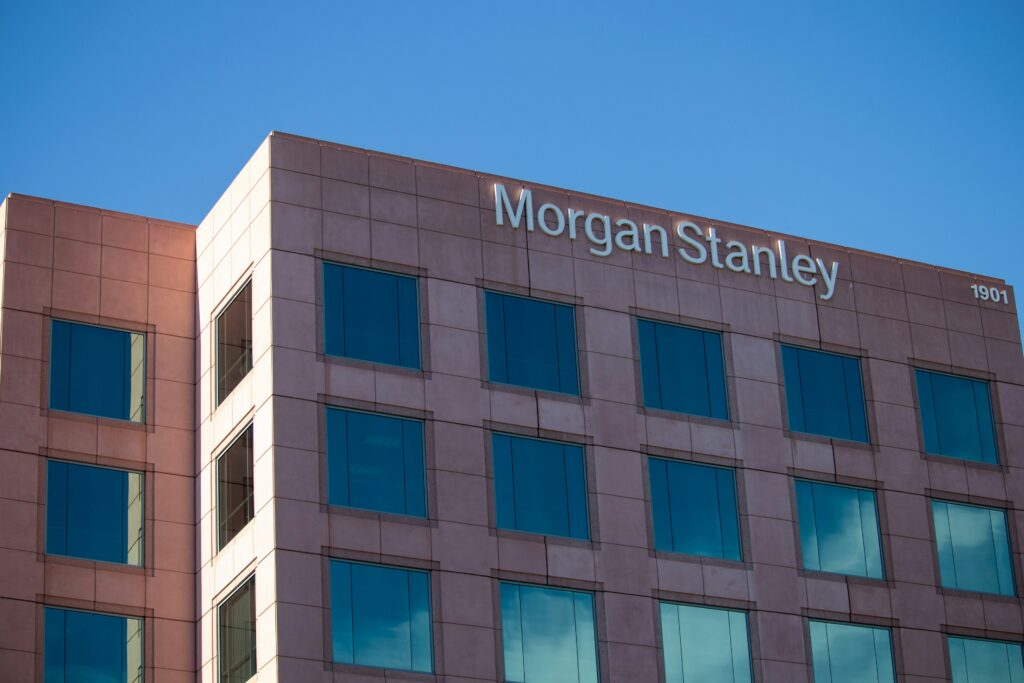
Morgan Stanley has reported record net revenues of $20.6 billion for Q1 2026, with earnings per share of $3.43 against analyst expectations of $2.95 — a beat that caps a Wall Street earnings season defined by extraordinary trading gains driven by Iran war volatility. Net income rose 27% year-on-year to $5.6 billion, with the firm delivering a return on tangible common equity of 27.1% — one of the strongest quarterly ROTCE figures in the bank’s history. The result closes a landmark quarter for American banking that EBM has tracked since Goldman Sachs and JPMorgan opened the season with similarly exceptional numbers driven by the same geopolitical engine.
EBM Exclusive Take
Morgan Stanley’s record quarter is the final confirmation of what this earnings season has demonstrated with uncomfortable clarity: the Iran war has been the most lucrative event in Wall Street’s recent history. While European manufacturers absorb higher energy costs, consumers pay elevated bills and housebuilders warn of uncertain outlooks, America’s largest financial institutions have harvested the volatility generated by the conflict into record profits. The structural asymmetry between who absorbs the cost of geopolitical disruption and who captures the financial upside has never been more starkly illustrated.
The Numbers
CEO Ted Pick described Q1 2026 as a record quarter across the firm. The headline figures justify the language — $20.6 billion in net revenues against $17.7 billion a year ago represents 16% year-on-year growth, while net income of $5.6 billion surpassed the $4.3 billion Morgan Stanley posted in Q1 2025. EPS of $3.43 comfortably cleared the analyst consensus of $2.95.
Wealth Management was the standout divisional performer, delivering record net revenues of $8.5 billion — up from $7.3 billion a year ago — with a pre-tax margin of 30.4%. Asset management revenues drove the gains, boosted by elevated assets under management, strong fee-based flows and higher net interest income. The result reflects a broader dynamic across American financial services: wealthy clients, uncertain about geopolitical conditions, are keeping more assets in actively managed products rather than passive vehicles, generating higher fee income for institutions like Morgan Stanley.
The Trading Engine
The institutional securities division — which houses Morgan Stanley’s trading operations — delivered the performance that moved the headline numbers most decisively. As EBM’s analysis of the $40 billion Wall Street trading haul showed, the Iran war created precisely the multi-asset volatility environment that large trading desks are built to monetise. Oil swinging by double digits in single sessions, bond yields lurching on inflation repricing, equities falling sharply and bouncing on ceasefire hopes — each of these movements generated trading revenue for institutions with the infrastructure to intermediate them at scale.
Morgan Stanley’s result confirms what Goldman Sachs, JPMorgan, Citigroup and Bank of America established earlier in the week — that Q1 2026 was structurally exceptional for Wall Street trading operations in a way that is directly traceable to the conflict in the Middle East.
What It Means for European Finance
The contrast with European financial performance in the same period is instructive. While Morgan Stanley posts a 27.1% ROTCE, European banks with Gulf exposure face a more complicated picture — higher trading revenues offset by asset write-downs, insurance cost increases and the operational disruption of having business infrastructure in an active war zone.
The divergence between American and European financial market performance reflects a broader structural reality: US institutions benefit from volatility generated by conflicts they are not geographically exposed to, while European banks and businesses bear both the volatility and the proximity costs simultaneously.
Morgan Stanley’s record quarter is a milestone result. It is also a mirror held up to the unequal distribution of war’s economic consequences — and for European business leaders reading it today, the reflection is an uncomfortable one.
Related Analysis
The post Morgan Stanley Just Reported Its Best Quarter in History — and the Iran War Made It Happen appeared first on European Business Magazine.