



















Hown The Iran Oil Shock Triggered a $7 Billion Biofuels Bet

EBM Newsdesk Analysis
May 12, 2026 — A Reuters investigation into $7bn of well-timed oil bets placed around President Trump’s Iran policy announcements has cracked open a parallel trade most European investors missed: the rotation into biofuel feedstocks. Soybean oil briefly hit three-year highs in Chicago before April’s ceasefire knocked it down by the daily 5% limit, while managed money positioning in Chicago grains touched a four-year peak above 635,000 net long contracts. The CFTC is now examining the oil side. The grains side, for now, is celebrating in silence.
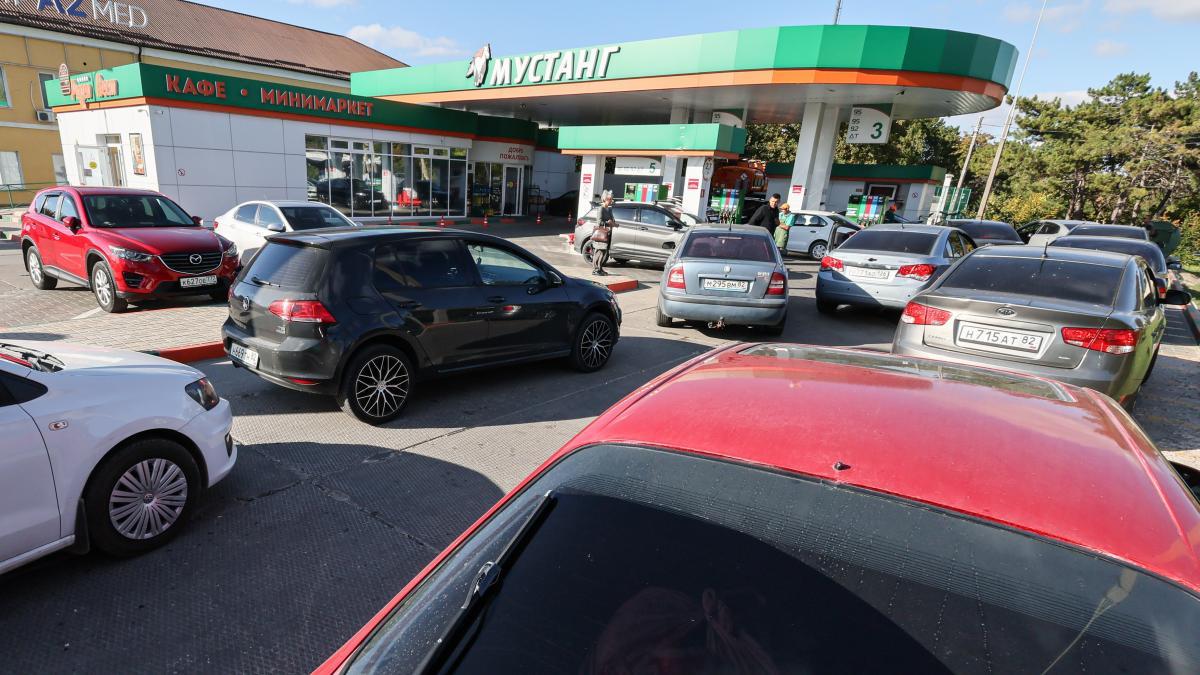
For European business, the consequence is anything but abstract. ReFuelEU Aviation’s 2% sustainable aviation fuel mandate, live since January, has turned every Brent spike into a direct cost transmission for Lufthansa, Air France-KLM and Ryanair, all of whom now compete with American refiners for the same finite pool of feedstock. The European Central Bank’s postponed rate cut is, in part, a biofuels story Frankfurt has so far declined to tell out loud.
The mechanics are simple. Crude oil above $90 makes ethanol, renewable diesel and SAF cheaper than the fossil fuels they substitute for. The US Section 45Z Clean Fuel Production Credit, worth up to $1.75 per gallon of SAF, locked in a regulatory floor before the war started. Strait of Hormuz disruption installed the ceiling. Hedge funds positioned in the corridor between them and have been collecting rent ever since.
How the trade was built
Managed money exited oil futures in early March, ahead of Trump’s serial policy turns, and rotated into Chicago Board of Trade soyoil, corn and ethanol contracts. According to Bloomberg data, weekly options volumes in soybeans and corn hit 15-year highs through April. Palm oil in Kuala Lumpur tracked the same curve from a different time zone. The thesis is structural: biofuel commodities now trade as energy assets, not agricultural ones, and the war has permanently widened the band in which they clear.
Citadel, Millennium and at least four London-based macro funds are understood to have run versions of the trade, though disclosures remain partial and the CFTC probe is widening. The April 8 ceasefire took 5% off soyoil in a single session, demonstrating both the upside captured on the way up and the brutal speed of the unwind on the way out.
Europe carries the bill
The downstream effect lands hardest in European supply chains. Brazilian soybean exports — almost 60% of the global total — depend on fertilizer imports that transit Hormuz. Brazilian crush margins are tightening, which directly squeezes the feedstock European biodiesel producers buy. UK and German chemical manufacturers, already passing 30% surcharges to customers, will see further pressure as soybean meal — the byproduct of biodiesel production — feeds back into European animal feed inflation.
The ECB’s May projections raised the eurozone’s 2026 inflation track partly on this transmission. UK inflation is forecast to breach 5%.
What happens next
The IEA describes the underlying disruption as the largest in oil market history. As long as the Strait remains contested and the 45Z credit underwrites SAF demand, the biofuel floor holds. The smart money already knows the trade is no longer really about Iran. It is about whether Brussels and Washington will quietly let the mandates slip — and neither capital shows any sign of doing so.
Related Analysis
- Europe’s €24 Trillion Breakup With Visa and Mastercard
- ECB Postpones Rate Cuts as Hormuz Shock Lifts Eurozone Inflation
- ReFuelEU Aviation: How the 2% SAF Mandate Is Reshaping European Airline Economics
The post Hown The Iran Oil Shock Triggered a $7 Billion Biofuels Bet appeared first on European Business Magazine.