

























How Sevilla Became Europe’s Dark Horse

Sevilla have built a reputation as the club nobody wants to face when Europe’s lights flick on. Their path has not been a straight climb. It has been a mix of bold decisions, smart recruitment and a stubborn belief that they should punch above their weight. There is something admirable in that kind of persistence, especially when so many clubs with bigger budgets stumble over their own ambition.
A Culture That Demands Competitiveness
The club has never pretended to be a superpower, yet it behaves like one when it matters. Supporters at the Ramón Sánchez Pizjuán do not settle for pleasant football. They want intensity. They want players who look like they have something to prove. The club hierarchy has understood this for years and has hunted managers capable of delivering a defined identity rather than whichever name looks impressive on a presentation slide.
This cultural backbone keeps Sevilla stable even in transitional phases. The squad may change, the form may wobble, yet the underlying expectation remains the same.
Recruitment, The Secret Weapon
The story of Sevilla’s rise cannot be told without acknowledging their talent for scouting. While other clubs chase marquee names, Sevilla tend to target players who sit just below the headlines but have the traits to thrive in a demanding structure.
They have struck gold often enough for rival clubs to grow suspicious of their instincts. What sets Sevilla apart is the willingness to trust those instincts even when the squad looks unglamorous on paper. Many players who thrived in Seville arrived with doubts following them around, only to leave with packed trophy cabinets or moves to elite teams. The club sees potential before the wider market catches up, and that gives them a constant competitive edge.
The European Mindset
The Europa League has been their playground for so long that outsiders sometimes forget how much mental strength it takes to dominate a competition packed with well-coached sides. Sevilla approach European nights with a sharper focus than they show in some domestic campaigns. It is not arrogance. It is routine. Some clubs rise to Europe, others shrink from it. Sevilla seem to grow taller.
There is a rhythm to their knockout performances. They remain comfortable when the match gets tense, and they adapt quickly when problems surface. Even when the squad is not at its strongest, their belief carries them further than logic suggests.
The Ramón Sánchez Pizjuán Effect
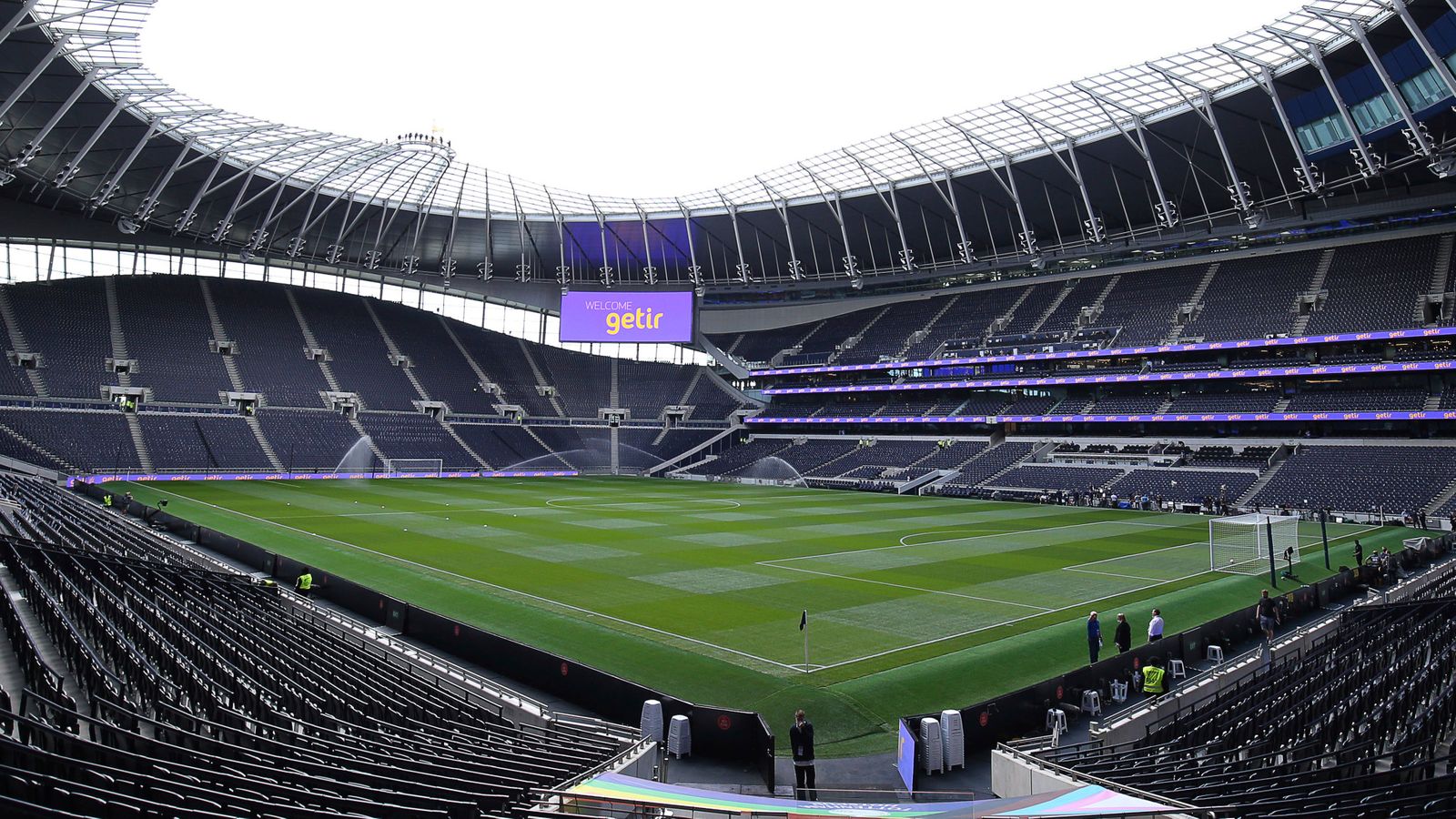
Anyone who has stood inside the stadium on a big night will understand why visiting teams struggle. The noise does not build slowly. It hits straight away and stays there. The steep stands make the pitch feel tight. Even a passing sequence feels loaded with pressure.
Sevilla use this environment to amplify their aggression and tempo. European opponents often talk afterward about how the match felt faster than expected. That is the stadium doing its part.
Cycles of Decline and Revival
Sevilla are not immune to poor seasons. Injuries, turnover and financial constraints have all knocked them off balance at various points. What makes them Europe’s dark horse is the way they claw their way back. Their revivals tend to arrive sooner than predicted, usually sparked by decisive transfers or a shift in tactical identity.
It is a reminder that resilience is often undervalued in football analysis. Sevilla have built a habit of recovering quickly, which is why few trust their downturns to last long.
Why Opponents Still Fear Them
Clubs across Europe know that form alone does not define Sevilla. When they hit the pitch in a knockout tie, they bring layers of experience, strategy and raw competitiveness that cannot be manufactured overnight.
They have also learned how to embrace the role of the disruptor. They unsettle teams that expect a smoother evening. They punish hesitation. They relish moments when momentum begins to tilt.
TIF Takeaway
Sevilla became Europe’s dark horse by accepting that they cannot afford to play the sport the same way as wealthier clubs. Instead, they built a personality that suits their strengths. It is straightforward, occasionally chaotic, but always purposeful. If anything, their journey shows how far a club can go when it refuses to accept its place in the hierarchy.
Their story is not a fairytale. It is a long chain of sharp decisions, stubborn pride and a stadium that shakes like few others. That is why they remain the team you would rather avoid until the draw leaves you no choice.