



































How Charging Innovation Is Creating New Opportunities in the EU Mobility Market
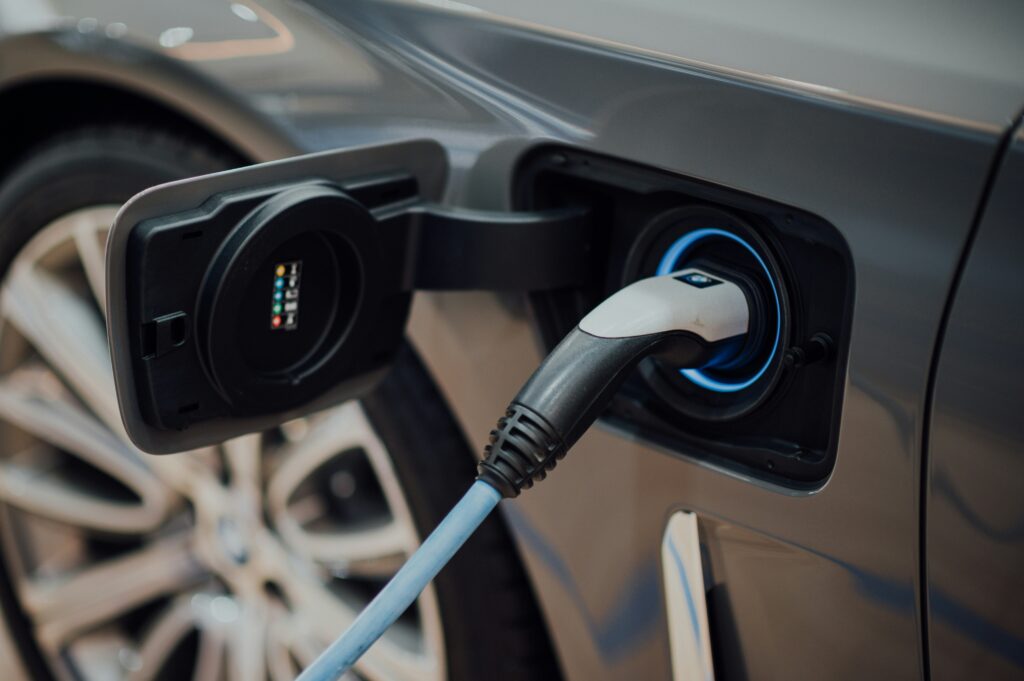
The electric vehicle landscape across Europe is undergoing a remarkable transformation. As EV adoption accelerates, charging infrastructure has become an essential focus for businesses, governments, and consumers alike. At the centre of this evolution is the Type 2 connector, which has emerged as the standard AC charging interface throughout the European Union.
Europe is expected to see a substantial increase in the number of publicly accessible charging points by the end of 2025. This growth trajectory is anticipated to continue, with estimates suggesting that weekly installation rates may need to rise to meet future targets. The standardisation around Type 2 charging technology has created a foundation for this expansion while opening new doors for progress.
The effects extend far beyond simple hardware deployment. Interoperability standards, smart charging capabilities, and grid integration are reshaping how businesses approach mobility solutions. As regulatory frameworks mature across the continent, companies are discovering fresh opportunities to develop charging networks that balance operational efficiency with energy management.
The EU Mobility Market Transformation Through Charging Innovation
The European EV charging market is seeing significant momentum, with increased investment and expansion of infrastructure across the region.
Maintaining an upward pace means weekly installation rates may need to increase to ensure timely coverage for the growing EV fleet. The forecasted growth in public charging points reflects the scale of this shift.
At the heart of this change is the Type 2 connector, which has become the standardised AC charging solution across the European Union. This standardisation creates a unified platform for charging infrastructure, making cross-border travel more practical for business use.
Interoperability standards are transforming business models throughout the mobility ecosystem. Organisations need to evaluate how their charging solutions integrate with broader networks. This connectivity allows businesses to offer seamless charging experiences regardless of location.
Technical specifications need careful evaluation to ensure compatibility across charging systems. For many organisations, finding the right Type 2 charging cable is essential — which is why quality options like the Voldt® Type 2 charging cables from Voldt® are so valuable. Voldt®’s range of Type 2 cables, designed to meet IEC 62196-2 standards and fully compatible with UK and European public and home charging stations, ensures reliable, cross-network connectivity and seamless operation across various charging setups. Choosing Voldt® Type 2 cables helps maintain connectivity and performance across charging networks, making them a trusted choice for businesses and fleets alike.
Regulatory Drivers Creating New Business Opportunities
The Alternative Fuels Infrastructure Regulation (AFIR) is significantly influencing charging network deployment across Europe. This regulation establishes minimum requirements for charging infrastructure along major transportation corridors. For businesses, this creates predictable market conditions and clear investment pathways.
Non-residential charger mandates are generating new options for workplace and commercial property owners. New buildings now require charging infrastructure. This requirement transforms an optional amenity into a necessary building feature, generating options for property developers.
Smart charging requirements are encouraging progress in energy management solutions. Regulations increasingly demand that charging systems communicate with the grid and adjust based on electricity demand. This has led to growth in software platforms that optimise charging schedules.
The standardisation around Type 2 connectors has simplified cross-border business travel. Executives can now drive electric vehicles between European countries without connector compatibility concerns. This standardisation reduces range anxiety and makes electric vehicles more practical for business operations.
Cross-Border Interoperability Standards
The Open Charge Point Protocol (OCPP) and Open Charge Point Interface (OCPI) enable roaming capabilities across charging networks. These protocols allow drivers to use different charging networks with a single account. For businesses operating across multiple countries, this compatibility simplifies expense management.
ISO 15118 plug-and-charge functionality is updating how users interact with charging equipment. This technology allows vehicles to automatically identify themselves to charging points. The authentication happens automatically when the cable is connected, streamlining the charging process.
These standards have notable business effects for payment systems and operational efficiency. Companies can now offer seamless charging experiences that work across borders and networks. This reduces administrative overhead and improves customer satisfaction for companies adopting these standards.
Business Models Emerging From Charging Infrastructure Growth
Charging-as-a-Service (CaaS) models are changing how businesses invest in EV infrastructure. Providers like ChargePoint and NewMotion deliver subscription-based packages that include hardware, installation, monitoring, and maintenance.
For example, LeasePlan partnered with PowerD in the Netherlands to help businesses shift costs from upfront investment to monthly operational expense. The service covers all aspects of charger management including maintenance and software updates.
Workplace charging is now regarded as both an employee benefit and a way to support wider community access. Companies are installing Type 2 connectors in their parking areas, which allows staff to charge vehicles while at work.
Real-world examples, including Siemens’ facility in Manchester, have opened charging points to employees and offered access to the public outside business hours. This approach can help recover operational costs, but it requires clear site management and integration with charging platforms.
Total Cost of Ownership Analysis
The capital versus operational expenditure balance for Type 2 charging infrastructure varies depending on business approach. Initial costs include equipment, electrical upgrades, and installation. Ongoing expenses include electricity, maintenance, and network fees.
Maintenance requirements and equipment life cycles are important for reliable operations. Type 2 charging equipment is generally designed to last for several years, with regular maintenance required. Businesses need to factor these ongoing expenses into their financial plans.
Return on investment timelines differ across sectors. Fleet operations often see faster returns due to high utilisation rates. Workplace charging may take longer to yield returns, especially if offered as a free employee benefit.
Retail locations often measure returns through increased customer visits rather than direct charging revenue. This approach requires tracking both energy costs and customer behaviour to determine true worth.
Grid Integration and Energy System Opportunities
Demand response capabilities through smart Type 2 charging systems are providing new value streams. These systems can adjust charging rates based on grid conditions, reducing charging during peak demand periods. Businesses can receive financial incentives for participating in these programmes.
Commercial sites are increasingly using demand response through smart charging to manage peak period consumption. By participating in utility incentive programs in regions with grid congestion, some businesses are finding new ways to generate additional revenue.
Peak shaving and load balancing are emerging as added services in the charging sector. Smart charging systems can distribute power among multiple vehicles to avoid exceeding capacity limits.
Some large-scale depot operators in Germany have implemented smart charging to limit simultaneous peak loads. This approach can help reduce the need for grid connection upgrades and avoid costly tariffs that may escalate during periods of high demand.
Renewable energy integration with charging infrastructure is gaining momentum. Businesses are combining solar panels and battery storage with charging stations to reduce grid dependency. This approach can provide energy cost stability and resilience during grid outages.
The Bottom Line
Charging innovation is setting a new course for EU mobility, with Type 2 EV charger technology and standardised charging cable solutions at its core. Integration of interoperability standards has created seamless roaming and payment processes for cross-border travel, making electric vehicle operations more straightforward for businesses of all sizes.
Regulatory action, highlighted by AFIR and non-residential mandates, has changed planning across commercial property, workplaces, and fleet operations. These changes support higher infrastructure use and attract new investment prospects.
Companies looking at their total cost of ownership need to consider not just upfront spending but maintenance, service models, and smart charging features. With the market growing rapidly and forecasts suggesting a significant increase in charging points by 2030, competitive advantage will go to those who prioritise flexibility.
As new business models and grid integration strategies become more established, participants face a changing environment that rewards informed decision-making and careful planning.
The post How Charging Innovation Is Creating New Opportunities in the EU Mobility Market appeared first on European Business & Finance Magazine.