




























Hedge Funds Hunt for Venezuela’s Unpaid Financial Claims
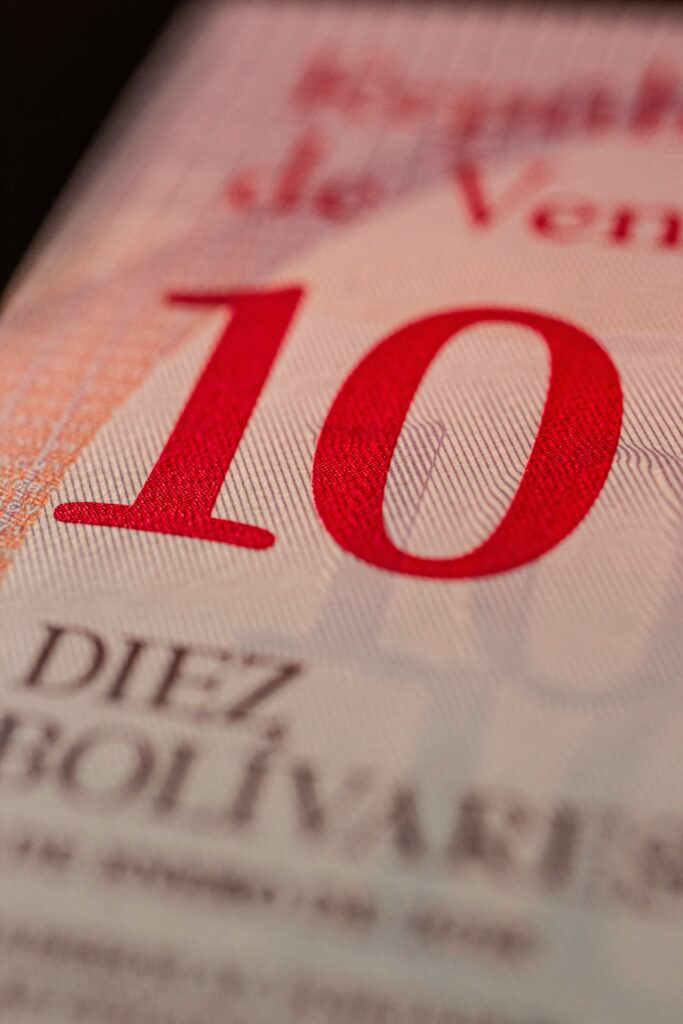
Maduro’s capture triggers 30% gains for distressed debt investors as $150-170 billion in defaulted bonds and arbitration awards suddenly look recoverable
The US capture of Venezuelan President Nicolás Maduro has ignited a frenzied hunt among hedge funds and distressed debt investors for pieces of Venezuela’s massive $150-170 billion pile of unpaid financial claims—one of the world’s largest unresolved sovereign defaults. Venezuelan bonds jumped as much as 30% in the first days following Maduro’s January 3 arrest, delivering windfall profits to specialist funds that spent years accumulating the deeply discounted debt on the bet that political change would eventually unlock value from the country’s 303 billion barrels of oil reserves.
Altana Credit Opportunities Fund, which positioned 100% of its portfolio in Venezuelan distressed debt since 2020 at entry prices around 6 cents on the dollar, gained approximately 30% in the first few trading days of 2026 according to Bloomberg. Similar outsize returns accrued to Broad Reach Capital, Winterbrook Capital, and other specialist investors who accumulated positions in the $60 billion of defaulted bonds issued by Venezuela’s government and state oil company PDVSA—securities that had traded as low as 15-20 cents following the 2017 default and subsequent US sanctions.
Venezuelan sovereign bonds rallied from 33 to 42 cents (a 27% gain) while PDVSA bonds jumped from 26 to 33 cents as markets repriced the likelihood of eventual debt restructuring and recovery. These gains materialize only on paper for now, as actual collection depends on navigating a complex web of competing creditor claims, sanctions restrictions, and the uncertain political transition Washington claims will follow military control of Venezuelan oil infrastructure.
The Debt Landscape: $60 Billion in Bonds, $90-110 Billion More
Venezuela defaulted on international bond payments in November 2017 after years of economic collapse and US sanctions that severed access to international capital markets. Since then, unpaid interest has accumulated substantially, raising total creditor claims well above the original $60 billion face value of outstanding bonds. When combined with bilateral loans from China and Russia, arbitration awards from expropriated companies, and court judgments, analysts estimate Venezuela’s total external debt at $150-170 billion.
This staggering liability dwarfs Venezuela’s collapsed economy. The International Monetary Fund estimates the country’s nominal GDP at just $82.8 billion for 2025, implying a debt-to-GDP ratio between 180-200%—among the highest in the world. The scale of obligations makes full recovery impossible without dramatic economic revival driven by restored oil production, which has fallen from 3.5 million barrels per day in the late 1990s to roughly 800,000 barrels per day currently.
The creditor hierarchy poses additional complications. ConocoPhillips holds an $8.7 billion arbitration award from the International Centre for Settlement of Investment Disputes for assets expropriated in 2007. Crystallex and other companies secured similar judgments that US courts have recognized as enforceable debt obligations. These arbitration claims total an estimated $90-110 billion beyond the $60 billion in defaulted bonds, creating a crowded field of competing claimants pursuing Venezuela’s limited foreign assets—most notably Citgo Petroleum, the US-based refiner whose ownership has been contested in Delaware courts since 2019.
A Delaware court has registered approximately $19 billion in claims against PDV Holding, Citgo’s parent company—far exceeding the estimated value of Citgo’s total assets. This mismatch between claims and recoverable collateral means many creditors face severe haircuts regardless of political outcomes, with recoveries likely following Argentina or Ecuador precedents where bondholders accepted 40-60 cents on the dollar in restructurings that stretched repayment timelines and included GDP-linked recovery instruments.
Investment Strategies: Asymmetric Bets on Bounded Downside
The distressed debt investors profiting from Venezuela’s crisis deployed classic vulture fund strategies: buying defaulted obligations at deep discounts when political risk appeared insurmountable, then waiting for regime change or economic stabilization to trigger repricing toward recovery values. The core thesis hinged on hard asset collateral—303 billion barrels of proven oil reserves representing roughly 17% of global totals—creating a fundamental floor value that sanctions and political chaos obscured but couldn’t eliminate.
Altana’s Lee Robinson, who previously earned outsized returns shorting subprime mortgages in 2008, viewed Venezuelan debt as mispriced political risk offering asymmetric payoffs. His fund’s 100% allocation to Venezuelan positions since 2020, purchased around 6 cents, reflected conviction that downside was bounded by sanctions already embedded in prices while upside potential remained explosive if US policy shifted. The Trump administration’s military intervention vindicated that thesis spectacularly, though whether 30% initial gains translate to sustained profits depends on restructuring terms that remain highly uncertain.
Broad Reach Capital entered late 2024 at 20-25 cents ahead of Trump’s election, with Venezuela contributing approximately 5 percentage points to gross returns in early January and driving 12% net returns for 2025. Winterbrook Capital accumulated material Venezuelan allocations at distressed levels over multiple years through specialized strategies targeting precisely this political-event-driven repricing scenario.
The Recovery Challenge: Conflicts and Constraints
Yet the path from paper gains to actual collection confronts formidable obstacles. Current bond prices around 42 cents imply markets still expect significant haircuts on both principal and accumulated interest. Citigroup’s base case models recovery in the mid-40s cents range using exit-yield analysis, assuming 50% principal haircuts, 20-year new bonds for remaining principal, and 10-year zero-coupon instruments for missed interest payments.
Critical to recovery projections is Venezuela’s ability to restore oil production. At 3 million barrels per day and $70 per barrel, annual oil revenue would reach $77 billion—theoretically sufficient to service restructured debt. However, PDVSA estimates $58 billion is required just to update pipelines that haven’t been maintained in 50 years, while comprehensive infrastructure rebuilding could require $110-183 billion according to various industry audits. The 18-month production recovery timeline the White House has suggested appears optimistic given these capital requirements and Venezuela’s decimated technical workforce.
Trump’s emphasis on US oil company participation creates additional conflicts. American firms like ConocoPhillips face contradictory incentives: maximizing legal recovery on arbitration awards versus accepting reduced claims to reenter as commercial operators. Oil revenues pledged to debt service cannot simultaneously fund operator returns and capital investment, forcing difficult allocation decisions that pit creditors against companies against the sovereign itself.
Sanctions compliance adds another layer of complexity. Executive orders issued between 2017-2018 blocked most dealings in Venezuelan debt and access to US markets. Temporary relief granted in October 2023 was reversed in 2024, and new sanctions hit oil traders in late December 2025—just days before Maduro’s capture. The regime change raises basic questions with no clear answers: When do sanctions end? Who constitutes the Venezuelan government during military control? Which officials remain blocked persons under Treasury restrictions?
Banks processing payments that touch sanctioned individuals face enforcement risk, while OFAC licensing remains discretionary and slow. For distressed debt investors, these uncertainties mean that spectacular mark-to-market gains in January 2026 may prove difficult to monetize if sanctions architecture remains in place, legal processes drag on for years, and restructuring negotiations become mired in competing creditor claims backed by billions in arbitration awards but limited recoverable assets to satisfy them all.
Related Topics:
The post Hedge Funds Hunt for Venezuela’s Unpaid Financial Claims appeared first on European Business & Finance Magazine.