


























FTSE 100 Smashes Through All-Time High — Why UK Stocks Are Outpacing Wall Street in 2026
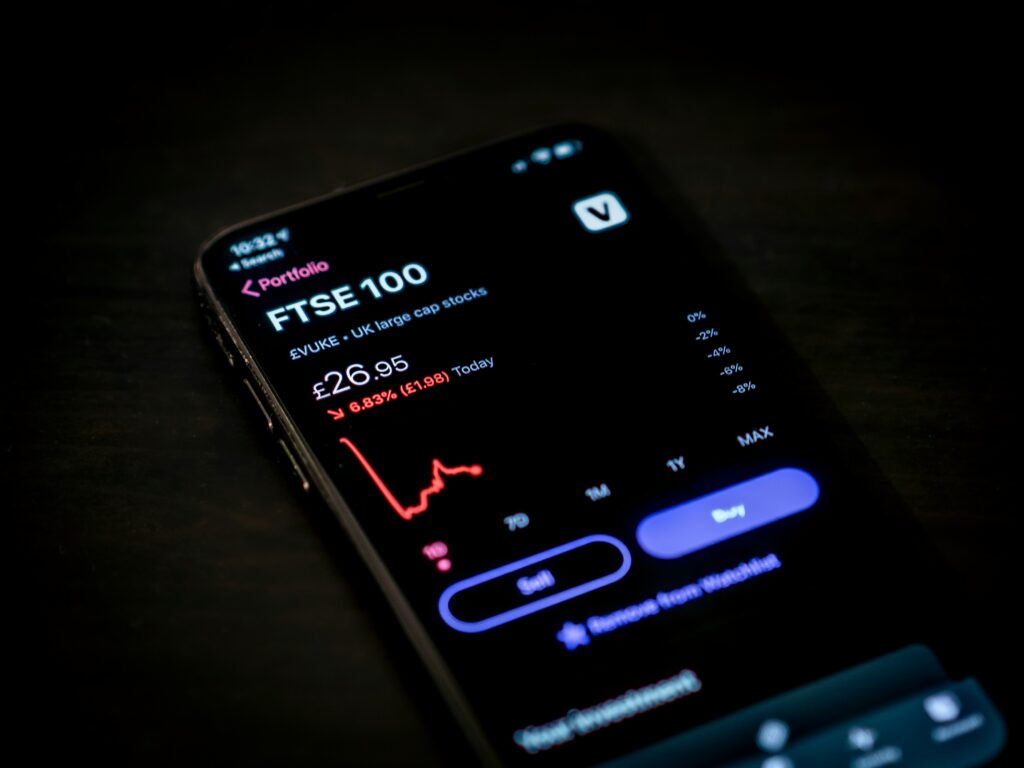
London’s blue-chip index closes at record 10,341 as banks hit 15-year highs and defensive giants AstraZeneca and Unilever surge
Quick Answer
Why is the FTSE 100 at an all-time high? The index closed at a record 10,341.56 on 3 February 2026, up 1.15% on the day, driven by a rotation into banks and pharmaceutical stocks. HSBC, Barclays and NatWest pushed the banking sector to its highest level since 2008, while AstraZeneca and Unilever each gained around 2%. The FTSE has now risen over 20% since April 2025, outperforming both the S&P 500 and European peers.
London’s benchmark index carved out fresh territory on Monday, closing at an all-time high as investors rotated into defensive heavyweights and financial stocks while commodities volatility shook mining names.
The FTSE 100 finished at 10,341.56 points — up 118 points or 1.15% on the session — marking its third consecutive day of gains and extending a rally that has delivered more than 20% returns since the April 2025 lows.
For investors tracking European equity opportunities, the UK market’s outperformance presents a compelling case at a time when US valuations remain stretched.
Banks Drive the Rally to 15-Year Highs
Financial stocks provided much of the momentum, with the banking sector reaching levels not seen since before the 2008 financial crisis.
HSBC, Barclays and NatWest all posted solid gains as investors bet on improved net interest margins amid a steepening yield curve. UK gilt yields have edged higher across maturities, giving lenders greater pricing power on new loans while deposit costs remain relatively anchored.
The strength in financials reflects broader confidence in the UK economy despite persistent inflation concerns. With the Bank of England signalling a measured approach to rate cuts in 2026, banks stand to benefit from an extended period of elevated rates before monetary easing eventually arrives.
For those analysing banking sector investment opportunities, the technical breakout above 2008 levels suggests further upside if earnings momentum continues.
Pharma and Consumer Giants Lead Defensive Surge
Beyond financials, healthcare and consumer staples drove the index higher as investors sought shelter from commodities volatility.
AstraZeneca climbed around 2%, lifting the healthcare sector by 2.6% overall. The pharmaceutical giant continues to benefit from a strong drug pipeline and resilient demand regardless of economic conditions.
Unilever matched those gains, rising 2% as the consumer goods behemoth demonstrated its defensive qualities. British American Tobacco added 1.5%, while Diageo, Relx and Compass Group all posted gains between 0.8% and 1.5%.
This rotation into defensives signals investor caution despite the headline record. With global economic uncertainty persisting, quality names with stable cash flows are commanding premium valuations.
Miners Stabilise After Wild Commodities Swings
The session wasn’t without turbulence. Mining stocks initially dragged the index lower as precious metals experienced dramatic volatility following margin requirement increases on gold and silver futures.
Gold fell as much as 7% to around $4,400 an ounce — less than a week after touching nearly $5,600 — after CME Group raised collateral requirements following the sharpest single-day decline since 1983. Silver plunged 14% at one point, wiping out leveraged traders caught on the wrong side.
Precious metals miners bore the brunt: Endeavour Mining dropped 7.4%, Fresnillo fell 7.6%, and Antofagasta slid 5.4%. However, industrial miners stabilised as the session progressed. Rio Tinto and Glencore traded flat to slightly higher, while Anglo American recovered from earlier losses.
For investors monitoring commodity market dynamics, the divergence between precious and industrial metals may signal a rotation worth watching.
Why the FTSE Is Beating Wall Street
The UK index’s record run stands in stark contrast to a more muted start for US equities in 2026. While the FTSE has gained over 3% year-to-date, the S&P 500 has struggled for direction amid concerns over stretched technology valuations.
Several structural factors explain the divergence. The FTSE 100’s heavy weighting toward energy, mining and financials — sectors often dismissed as “old economy” — has proven advantageous as commodity prices surged and banks benefited from higher rates.
Currency dynamics have also helped. Sterling’s stability around $1.35 has prevented foreign exchange headwinds from eroding overseas earnings, while a weaker pound in 2025 boosted export competitiveness.
Perhaps most importantly, valuation starting points matter. UK equities entered 2026 trading at significant discounts to US peers, offering a margin of safety that has attracted institutional flows seeking undervalued developed market exposure.
What Comes Next
Technical analysts point to the 11,405 level as the next potential target — a 10% rise from current levels based on Fibonacci extension projections. The psychological breakthrough above 10,000 points has removed a key resistance barrier that had capped gains for decades.
However, risks remain. A sharp reversal in commodity prices, unexpected Bank of England hawkishness, or renewed global trade tensions could all trigger pullbacks. Investors should view the current strength as an opportunity to reassess positioning rather than chase momentum blindly.
Extended Reading
- European Stock Markets: Where to Find Value in 2026
- UK Banking Sector: Investment Outlook
- How Currency Movements Affect International Investments
- Defensive Stocks: Building Resilient Portfolios
- Commodity Price Volatility: What Investors Need to Know
Disclaimer: This article is for informational purposes only and does not constitute investment advice. Always conduct your own research before making investment decisions.
The post FTSE 100 Smashes Through All-Time High — Why UK Stocks Are Outpacing Wall Street in 2026 appeared first on European Business & Finance Magazine.