


























Forget Iran — AI Capex Is Now the Real Force Driving Oil Prices
London, June 29 (EBM Newsdesk Analysis) — By Nick Staunton
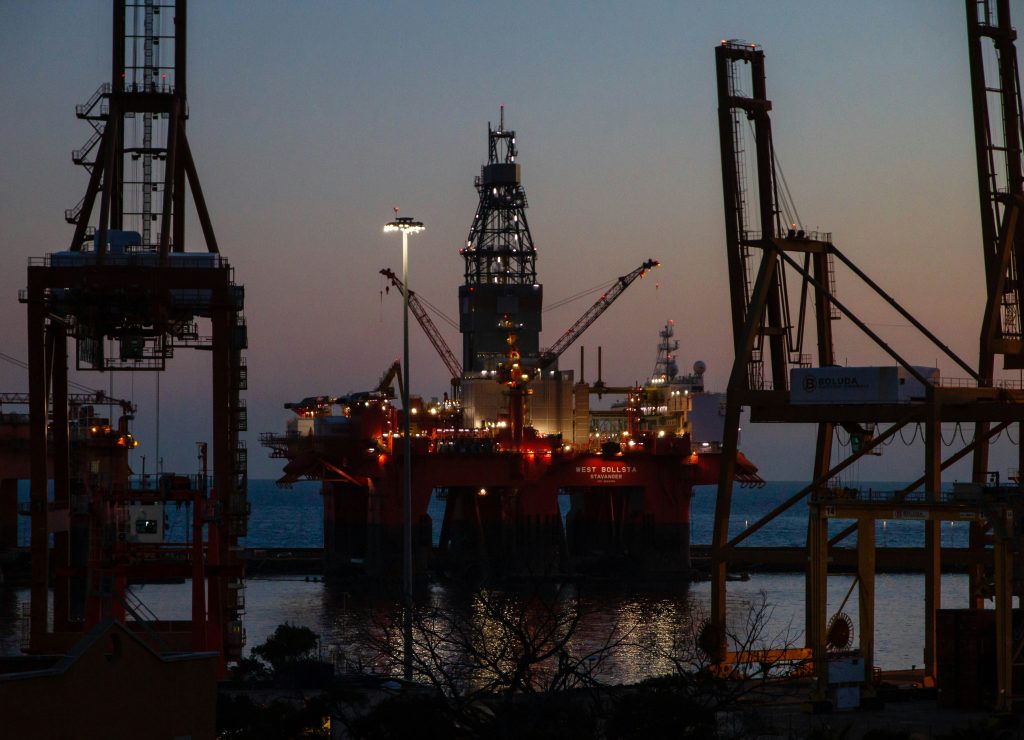
Crude oil is going through a structural shift that I think most coverage is still missing. The market hasn’t stopped reacting to the Gulf — it’s stopped treating the Gulf as the only variable that matters.
A Fragile Calm, Not a Resolution
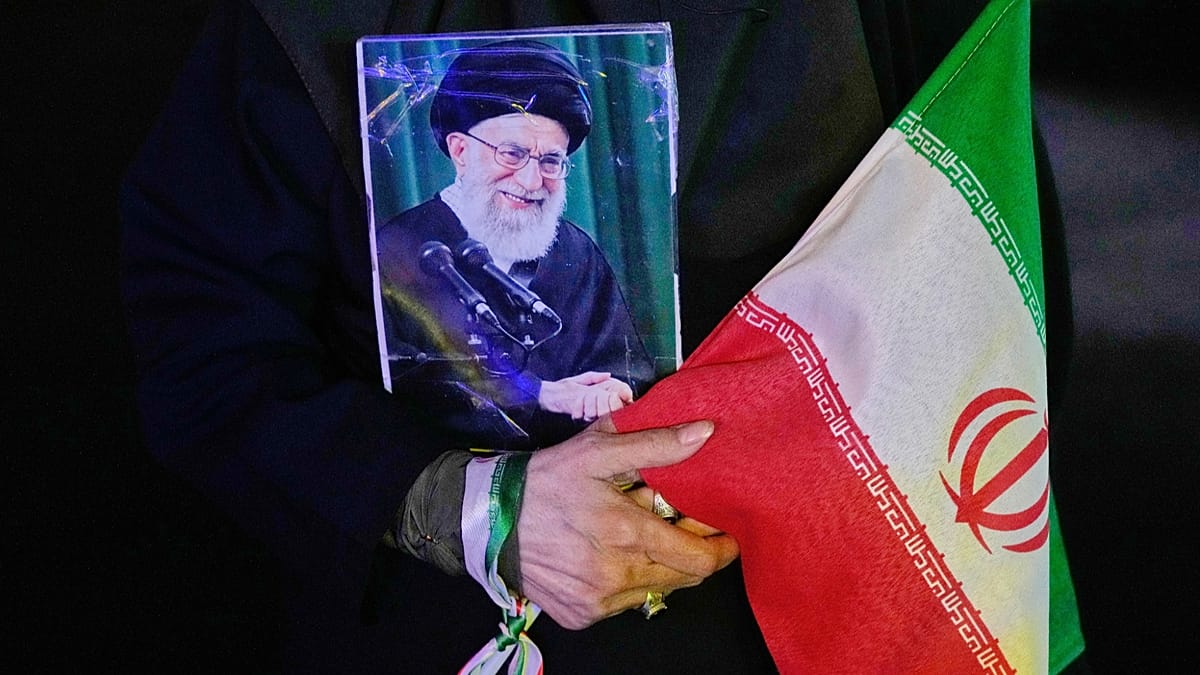
I think the recent de-escalation between the US and Iran is genuinely good news for markets, but it would be a mistake to read it as the end of uncertainty in energy. Investors know political agreements in the Gulf rarely hold for long, which is exactly why a risk premium remains baked into oil prices even as the probability of immediate supply disruption falls. We’ve watched this pattern repeat itself directly: a fragile ceasefire has already shattered once this year, with Iranian missile strikes wiping out weeks of relief-rally optimism in a single session. The cautious, modest gains we’re seeing in Brent and WTI right now look less like optimism and more like a market that has learned not to fully trust the news cycle.
The renewed talks over the Strait of Hormuz read to me as a confidence-building gesture rather than a guarantee. It remains one of the world’s most critical chokepoints, and any disruption there moves shipping costs, insurance premiums and crude prices immediately. But markets have become more disciplined about not overpricing geopolitical risk unless it escalates into an actual physical supply threat.
OPEC+ Still Holds the Real Lever
I think the more consequential driver for the second half of the year isn’t geopolitics at all — it’s how OPEC+ manages supply against a softening demand backdrop. If the alliance keeps exercising the same disciplined restraint it showed when it paused planned production increases rather than risk flooding an already fragile market, that should keep prices broadly supported even if global growth cools. An unanticipated output increase, on the other hand, would put real downward pressure on crude, particularly if it lands alongside weaker industrial activity in major economies.
Markets Are Quietly Re-Pricing Around Macro, Not Headlines
My view is that financial markets are gradually shifting weight away from short-term geopolitical headlines and toward macroeconomic data — inflation prints, rate expectations, growth indicators. Oil is no longer driven by security risk alone; it’s increasingly a function of whether the global economy can sustain stable growth. If central banks hold restrictive policy for longer, consumption and investment activity will weaken, and energy demand will soften with it.
This is the same dynamic we flagged when the new Fed under Kevin Warsh signalled one to two rate hikes this year rather than the cuts markets had been pricing — a shift driven as much by energy-linked inflation as by AI-fuelled exceptionalism in the US economy.
The AI Investment Cycle Is Now an Oil Story Too
This is the part I think gets underweighted. The Bank of New York’s observation about supply-side constraints tied to AI investment deserves far more attention than it’s getting. Markets tend to focus on demand as the primary driver of oil prices while overlooking that the scale-up of data centres, semiconductor fabrication and digital infrastructure requires enormous capital investment — and that investment pulls hard on energy, industrial metals and global supply chains simultaneously.
We’ve already seen this collide directly with energy markets once this year, when an AI valuation selloff, a Fed turning hawkish and a Gulf oil spike arrived within the same 48 hours, and the inflationary impact of that crude spike worsened the macro picture before a single jobs report had even landed. The deeper structural version of this story is the one we explored in our look at how the AI data centre buildout is now colliding with a genuine power infrastructure ceiling — securing energy capacity has become as much of a competitive moat for AI players as the algorithms themselves. That’s not a tech story anymore. It’s an energy demand story with the scale to keep inflation stickier than current forecasts assume, even as Gulf tensions ease.
My Range Call
My base case is continued crude trading in a $70–$80 per barrel range over the near term, with a modestly constructive bias, assuming no major geopolitical escalation or unexpected OPEC+ policy shift. If easing Gulf tensions combine with stronger Asian demand, prices could test higher resistance — but a genuine breakout above this range needs a stronger macro catalyst than reduced geopolitical risk alone.
I can’t rule out corrective declines either, particularly if growth slows more sharply than expected or elevated rates continue to weigh on activity. I’d expect the coming months to bring measured volatility within a defined range rather than a strong directional trend — which means disciplined risk management matters more right now than chasing short-term moves.
The Bottom Line
Oil has moved into a genuinely different regime from prior commodity cycles. It’s no longer driven solely by conflict or OPEC+ output decisions — it’s now an integral piece of a broader economic system shaped by digital transformation, AI capital expenditure, monetary policy and structural shifts in global growth. My outlook stays cautiously constructive on price, but I think the bigger story for the rest of this year is that oil’s direction will increasingly be set by the inflation and growth debate — not by the next Gulf headline.
Related reads: South Korea’s KOSPI meltdown sends a warning to every market that bet on AI · The ECB’s rate hike exposes Europe’s stagflation risk · The state of the European economy in 2025: growth, risks and winners
The post Forget Iran — AI Capex Is Now the Real Force Driving Oil Prices appeared first on European Business Magazine.