
































European markets rally on apparent Greenland deal

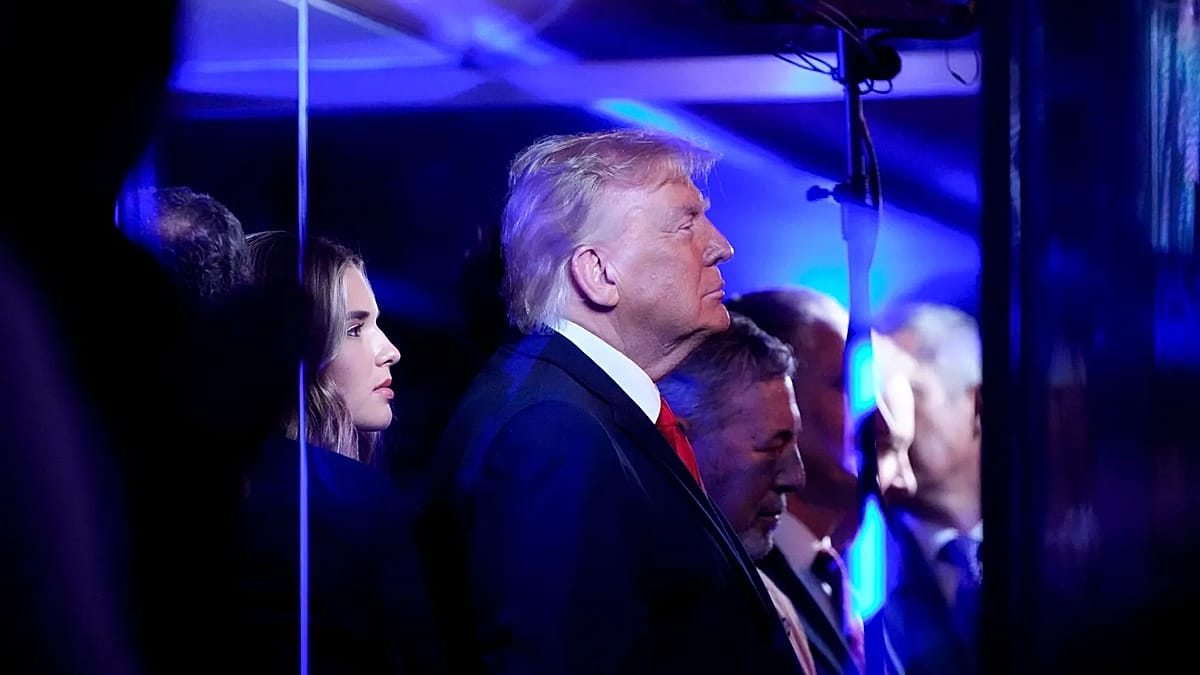
Global markets breathe a sigh of relief after the US President’s trip to Davos not only brought a promise to avoid military intervention, but also an apparent deal that avoids tariffs in February. By now we have grown accustomed to Trumps strategy of threatening nations with tariffs in a bid to get what he wants, but this occasion appears to have taken it a step too far.
For many of the European leaders, this is a warning sign that their US partners are no longer reliable for as long as Trump is in power. After-all, what stops him coming back with another threat next month because he wants another deal. Perversely, while the US continues to beat up their friends, the nation’s best protected from Trump’s wrath appear to be those already sanctioned (Russia) and those with sufficient leverage to fight back (China).
In Europe, this means that there will be a greater desire for self-sufficiency and a gradual weakening in the interconnectedness seen with the US over the years. China are likely to be one of the main benefactors of that shift, with the likes of Canada and Europe already turning their attention Eastward in a bid to reduce exposure to their unreliable partners in the West. For one thing, the events of this week will have undoubtedly brought fresh clarity over the need to do more in Europe, although ongoing debt sustainability concerns mean that any additional spending could bring higher borrowing costs and higher valuations for precious metals.
While the preliminary deal fleshed out between Nato and the US may have eased concerns, we have already started to see a pushback from both Danish and Greenlandic MPs. Nonetheless, there is a hope that we are in a new phase that will ultimately resolve in a deal that allows both US military expansion and the retention of full sovereignty for Greenland.
Looking ahead, today brings the economics back into focus, with core PCE price index inflation data due for release. Coming hot off the heels of Trumps Davos ramble which included the requisite criticism of “too late Powell”, today brings a fresh opportunity to prove that the current trade policy is not inherently inflationary in nature.
Thankfully for those interested in the data, today’s inflation figures play catch-up with both October and November figures due. Coming less than a week ahead of the FOMC rate decision, this represents a key release that will undoubtedly help the bank reach their conclusions. Nonetheless, with markets currently pricing the next rate cut coming into play in June, the perception is that the bank will sit on their hands until the new Governor replaces Powell in May.
While we are seeing gold turning lower in response to cooling geopolitical tensions, traders will be watching very closely for events in Japan as a potential driver of sentiment for JPY and precious metals. The BoJ meeting due overnight comes at an opportune moment for markets, with their efforts to keep a lid on rising yields ultimately providing the potential for further yen depreciation.
Ultimately, the current pathway forward looks unsustainable in Japan, with the BoJ seemingly patching up the damage caused by a PM that hopes to further her expansive approach at the polls on 8 February.
The risk of further stress within the $7.5 trillion Japanese bond market should concern many within financial markets, and the upcoming BoJ meeting provides an opportunity to gain greater clarity on how the bank seeks to provide stability going forward. Keep a close eye out for potential yen and bond market volatility, with any fresh bump higher in yields providing another reason to expect gold prices to rise. Analysis provided by Joshua Mahony, Chief Markets Analyst at Scope Markets
The post European markets rally on apparent Greenland deal appeared first on European Business & Finance Magazine.