




























EU protection guarantee for Greenland remains unclear
BRUSSELS (ANP) – The European Commission previously said that the treaty article also applies to that overseas territory, but now no longer wants to give a definitive answer on this. Experts disagree and the Netherlands previously stated that such territories cannot count on EU protection.
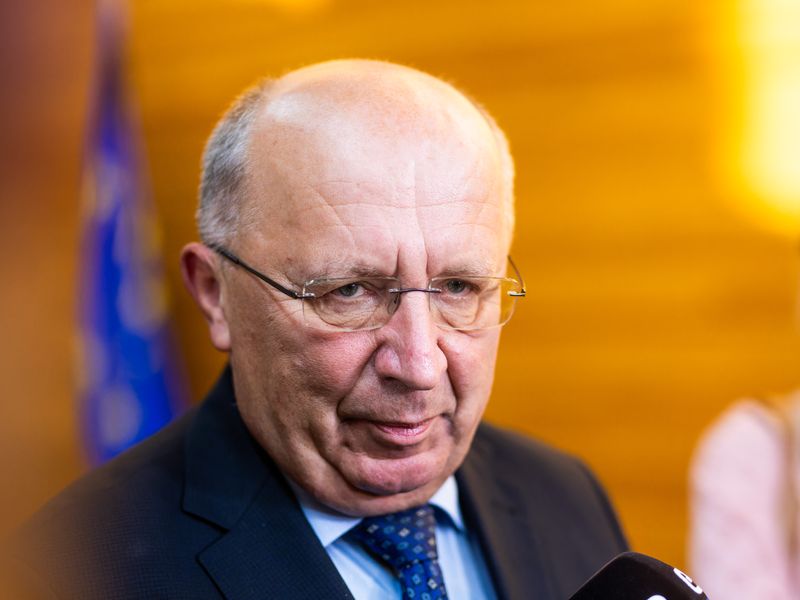
The European Union has a clause in its ‘constitution’ that obliges member states to help each other in the event of an attack, reminiscent of the famous Article 5 of NATO. That Article 42.7 also applies to Greenland, said European Commissioner Andrius Kubilius on Monday. The Commission has claimed this several times, but experts have questioned it.
President of the European Commission Ursula von der Leyen believes the question of whether Article 42.7 applies is not relevant. She does not take part in speculation “about what should be done, what could be done, what might be done” and confines herself to the relatively vague promise that Greenland and Denmark “can count on us”.
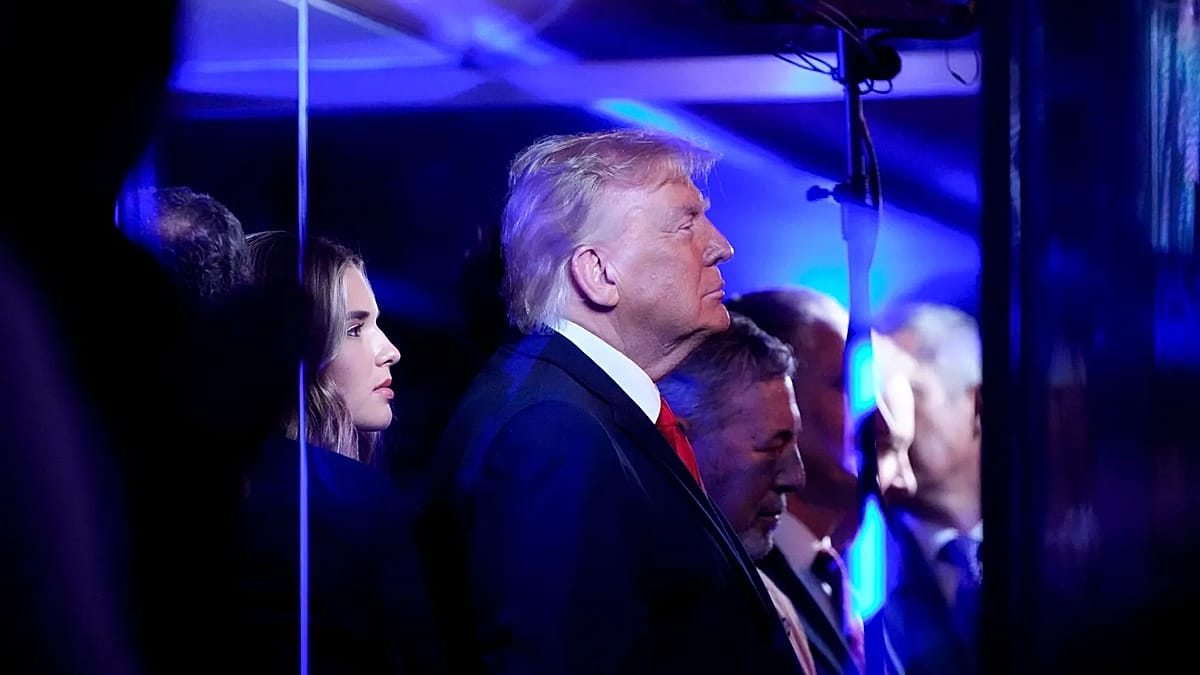
Attention to the EU provision has increased because the NATO protection pledge is difficult to use if the unofficial leader of the alliance attacks another NATO country. But one problem is that Greenland is considered NATO territory but possibly not EU territory. According to legal experts, ‘overseas territories’ in principle do not fall under Article 42.7. The European Court has not yet spoken out unambiguously.
The Dutch foreign minister David van Weel already said last week that Aruba and Curaçao should preferably not count on the EU clause. For these territories, which have the same status as Greenland, it does “not apply in full”.
The uncertainty alone is already harmful, says Clingendael researcher Bob Deen. It can “cause confusion or even division within the EU if Denmark decides to invoke the article”. Deen considers it “not unwise to clarify these kinds of crucial issues in advance”.
Such a technical objection will probably disappear when it comes down to it and “is about higher politics”, thinks professor of European law Armin Cuyvers. He mainly sees a problem in the “rather vague” wording of 42.7. With the NATO equivalent it is clear that member states are expected to come to each other’s military aid, but that has not yet been defined in the EU article. “That was never necessary.”
Clarification should come quickly, says Cuyvers. According to him, with such major interests at stake, it is up to the EU countries to now give meaning to the provision. “This is also an opportunity.”
(14 January 2026)