















España calls for more European funds to acquire essential medicines
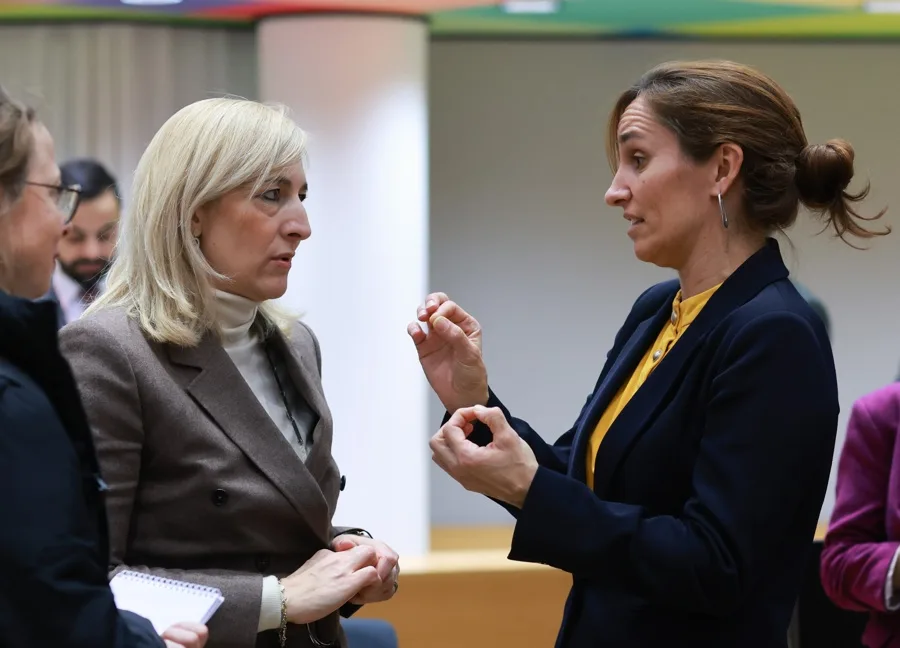
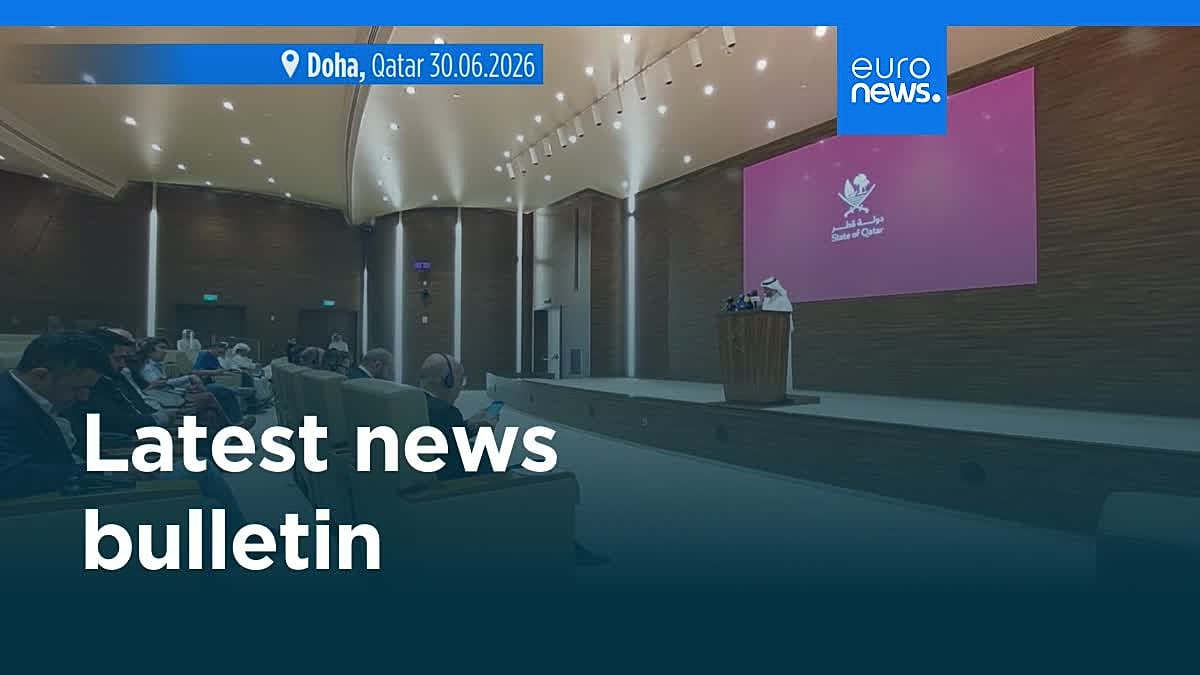
García presented Spain’s position at the meeting held today in Brussels by the EU health ministers, in which they approved their negotiating stance on the essential medicines law that Brussels presented in March and which still has to be discussed with the European Parliament.
The proposal provides for a series of incentives – including a relaxation of State aid rules – to increase the production of essential medicines in the European Union and reduce the current dependence on Asia, with the aim of combating drug shortages in a context of greater global conflict.
“Our main concern focuses on the financing model. Spain defends a clear and strategic position. The financing of European autonomy must be fundamentally at the EU level, not based mainly on state aid,” said the Spanish minister.
In this regard, she stressed that “asymmetries in financial capacity between Member States would generate competitive imbalances that compromise health equity and the very global competitiveness of our industry.”
Strategic industrial projects
The Commission considers that the causes of the shortage of essential medicines are diverse and complex, but points out that 50.6% are due to manufacturing problems and, to reverse the situation, proposes the possibility of designating strategic industrial projects that boost the production of medicines and their active ingredients in the EU.
Once designated, Brussels wants to facilitate public funding for them, both with European and national funds – through State aid – and to speed up and simplify permits and environmental assessments for new production plants in the EU bloc.
García, however, did express her satisfaction with the fact that the Twenty-Seven have discarded the Commission’s initial proposal to carry out joint purchases of essential medicines and to oblige EU countries to acquire a minimum quantity of those drugs.
EU governments are in favor of allowing Brussels to make joint purchases only if at least six countries request it and provided that it does so on behalf of the States that request it.
“We particularly value the approach regarding voluntary mechanisms for joint procurement of medicines, which fully respects national competences in this area,” said the Spanish Minister of Health.
García pointed out that “as a decentralized State, Spain requires flexibility in the implementation of national supply security programs and in the criteria and principles of procurement in order to adapt them to our territorial model.” EFE 2 December 2025