




















An autonomous and connected Union: Cyprus EU Presidency 2026
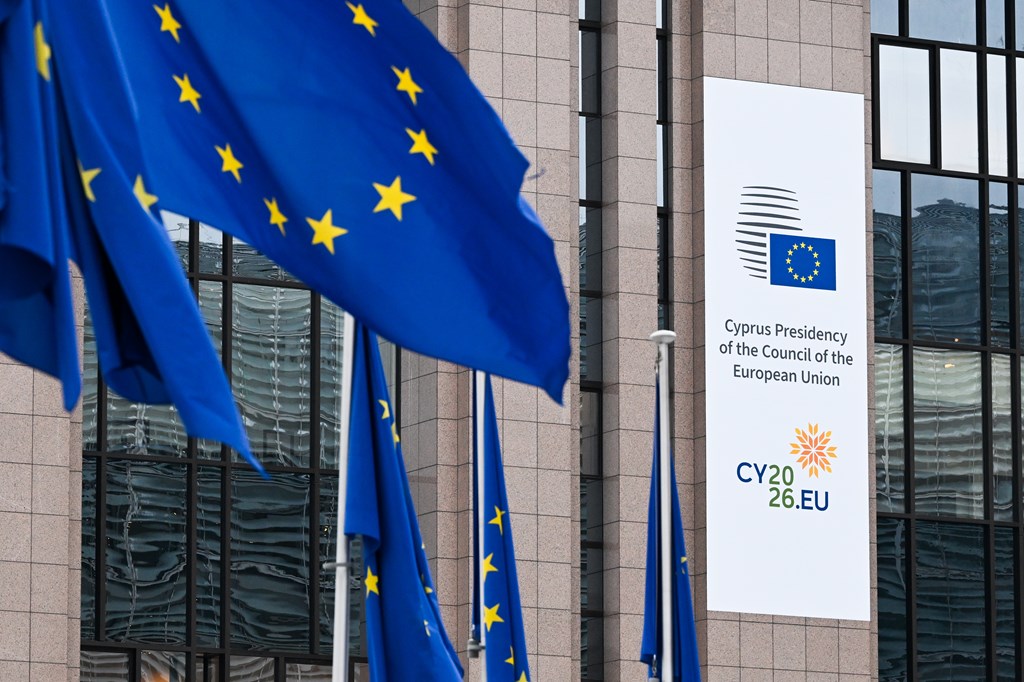
“An Autonomous Union. Open to the World”: That’s the motto of the Cyprus presidency of the Council of the European Union, which began on January 1 and will run until the end of June, when Ireland assumes the rotating role among the bloc’s 27 member states. As it concludes the 18-month Poland-Denmark-Cyprus trio presidency, Nicosia intends to advance a clear vision of a more autonomous Union, beginning with security and including continued support for Ukraine.
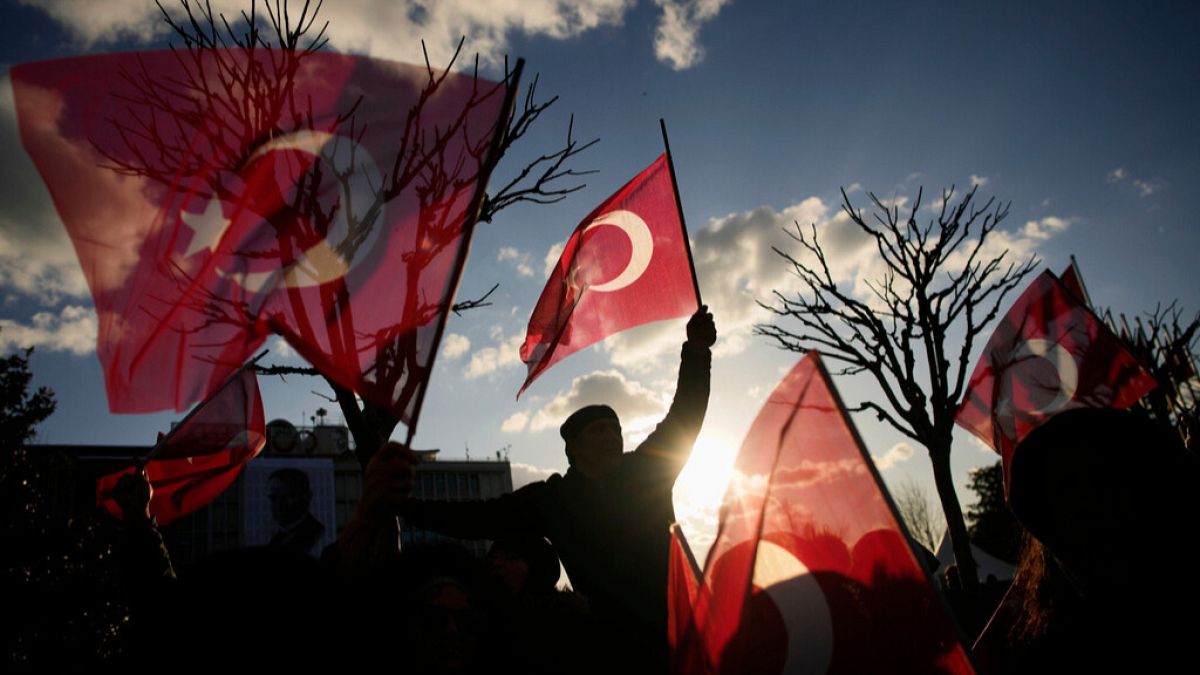
Cyprus, the EU’s easternmost member, is a divided island state in the Mediterranean with a population of just under one million, with Greek Cypriots governing the southern part and Turkish Cypriots governing the northern part. The latter was established as an independent entity by a unilateral declaration in 1983 and only recognised by Türkiye, but condemned by the international community. Since becoming an EU member in 2004, it is its second time holding the presidency Council of the EU.
During the previous Cyprus presidency in the second half of 2012, “the strategic agenda focused on resolving the Eurozone crisis, supporting growth, employment and competitiveness, modernising public administration and strengthening the single market”, noted the then-Foreign Minister Erato Kozakou-Markoulis.
After 14 years, the Cypriots will lead the EU in a completely different context and amidst geopolitical tension. Europe today “faces new and unprecedented challenges arising from Russia’s war against Ukraine and the situation in the Middle East, in a rapidly changing global environment and with increasing instability,” Markoulis said.
However, “Europe does not give in to crises, it does not fear challenges. On the contrary, it welcomes them as opportunities and evolves,” emphasised Cypriot President Nikos Christodoulides in a ceremony held in the village of Leukara on December 21, 2025, where the programme and priorities of the presidency were presented. Christodoulides was the spokesman for the first Cypriot presidency in 2012.
In order to achieve “a Union that can stand strong, stable, and secure”, the Cyprus EU presidency has come up with five main pillars: security, competitiveness, enlargement, autonomy and fiscal balance, according to Christodoulides.
More concretely, their five priorities are “autonomy through security and defense”, “autonomy through competitiveness”, “a Union open to the world, autonomous”, “an autonomous Union of its values and for all”, and “a budget for an autonomous EU”.
When it comes to their logo, it is Leukara’s traditional embroidery that inspired the presidency, shaped in orange like the Mediterranean sun. “The heart of the logo is the idea of thread: fragile on its own, but strong and cohesive when woven with others. It is a metaphor for the strength that comes from unity,” explains the Cypriot government. Meanwhile, the deep blue of the EU in the background emphasises Cyprus’ identity as an integral, yet distinct, part of the EU, seamlessly interwoven into the European tapestry.
Security remains top priority
The Cypriot president said that the Russian invasion of Ukraine demonstrated in the “clearest possible way” the need to strengthen the European security architecture and defense readiness. Therefore, “support to Ukraine will remain the main priority of the Cypriot presidency”.
Right from the start, Cyprus wants to make progress on the issue of financial support for Kyiv and build on the outcome of the December EU summit, namely the European Union’s provision of a 90-billion-Euro loan to Ukraine. On the occasion of the four-year anniversary of the Russian invasion of Ukraine on February 24, the Cypriot presidency would also like to approve another package of sanctions against Russia, making it the 20th.
The Cypriot vision is of a strong European Union that protects its borders and strategic interests while building partnerships and alliances based on democratic values and respect for international law. Therefore the Cyprus presidency promises to swiftly implement the White Paper on Defence, as well as moving forward with all key defence initiatives, including the SAFE financial instrument and the EDIP programme.
However, for Cyprus, security does not only mean strengthening defence, but “it is a broad, comprehensive and multi-layered concept”. The “effective management” of migration is therefore also a key priority.
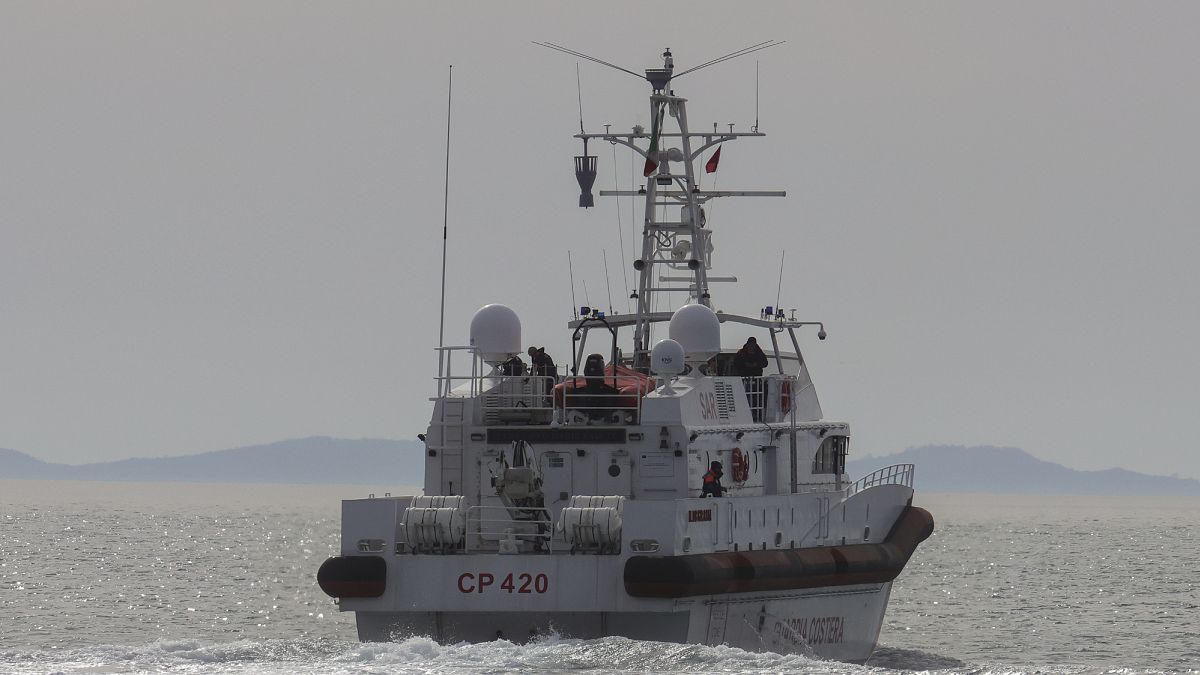
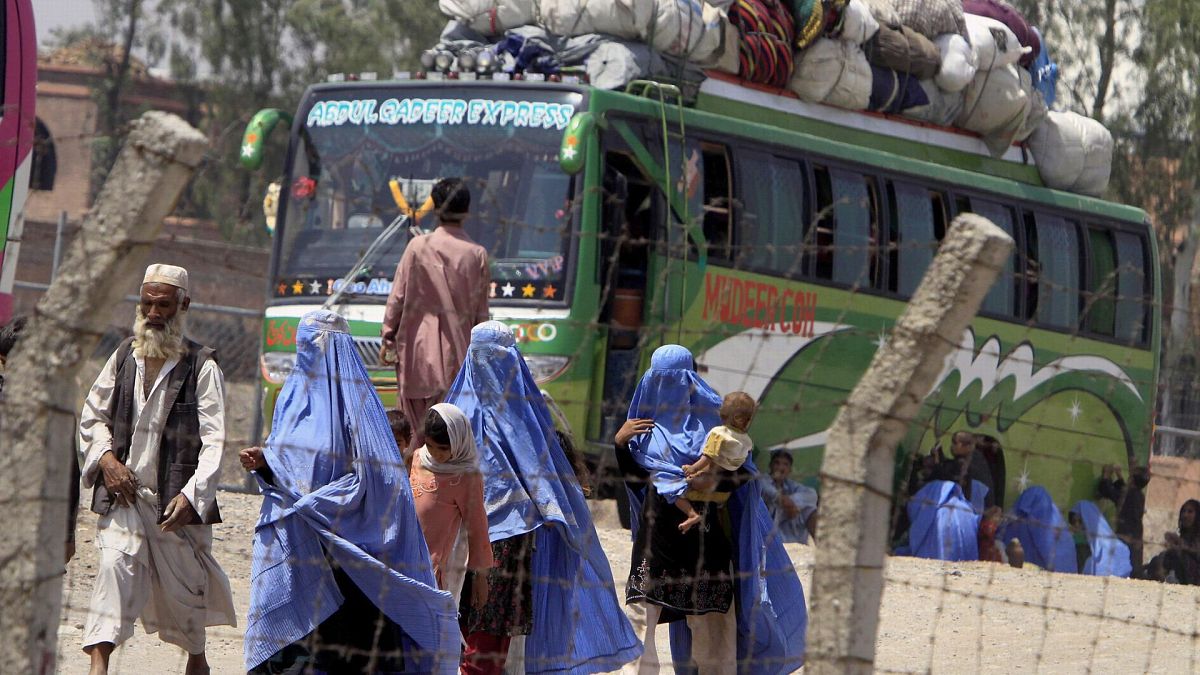
The Pact for Migration and Asylum will enter into force during the Cyprus presidency on June 12, leading to better management of migration, more effective controls and faster returns of failed asylum seekers. Three other migration regulations are also in the process of being approved: the Return Regulation, the Safe Third Country Regulation and the Safe Country of Origin Regulation.
Staying connected and competitive
Another priority stems from Cyprus’ strategic geographical location: the implementation of the Pact for the Mediterranean and the promotion of its key projects, which Christodulides intends to present at an informal summit he will host on the island in April. Expected participants are ten heads of state of the partner countries of the EU’s Southern Neighbourhood policy and representatives from the neighbouring countries, including Turkish President Recep Tayyip Erdoğan.
In addition, the Cyprus president stated that “a strategic priority of the Cyprus Presidency is to strengthen the EU’s relations with regional organisations such as the Gulf Cooperation Council (GCC) and the League of Arab States (LAS)”. This forms part of Nicosia’s efforts to strengthen the Union’s ties with its partners in the Middle East and Eastern Mediterranean.
Part of this effort is also Cyprus’ own border agreement with Lebanon: In November, Cyprus signed a new maritime border agreement with Lebanon to demarcate the countries’ exclusive economic zones – the latest high-seas deal aimed at opening up commerce in the eastern Mediterranean.
Overall, Cyprus wants to make the most of its position: strategic not only for migration flows and for relations with the above-mentioned partners, but also as a potential energy hub at a time when the EU is completing the replacement of Russian gas and oil.
Along the same lines, connectivity – particularly for islands and peripheral regions – remains a cornerstone of the Ports and Industrial Maritime Strategies that the Presidency will promote.
Within the borders of Europe, Nicosia emphasises the significance of enlargement in expanding the realm of peace, democracy, security and stability. It also highlights the transformative role of enlargement within candidate countries, reflecting their commitment to reform and resolve long-standing issues with neighbouring countries based on European law, values and principles.
In this regard, President Christodulides mentioned Ukraine, Moldova and the Western Balkans in particular, underlining the commitment of the Cyprus Presidency to achieving tangible progress in these countries’ accession processes.
However, in the case of Ukraine, the deadlock has not yet been resolved. Current rules require that each stage of the accession process be supported unanimously by all 27 EU countries, and the opening of the first chapters in the accession negotiations is still blocked by Hungary.
A challenge: long-term budget 2028-2034
Cyprus also faces the challenges of negotiating the EU’s next long-term budget for 2028-2034. Denmark had drawn up the first so-called negotiating framework and Cyprus should make significant progress in this work.
The seven-year budget covers all of the EU’s core spending, from subsidies to farmers and cohesion funds to support less developed regions, as well as building transport infrastructure and aid to developing countries.
European Council President António Costa intends to reach an agreement on the next multiannual financial framework (MFF) by the end of 2026. This timeline is key to ensuring that new EU funding programmes are in place by early 2028 without interruption, Costa said recently. Nicosia’s aim is to arrive at a negotiating position by the end of June.
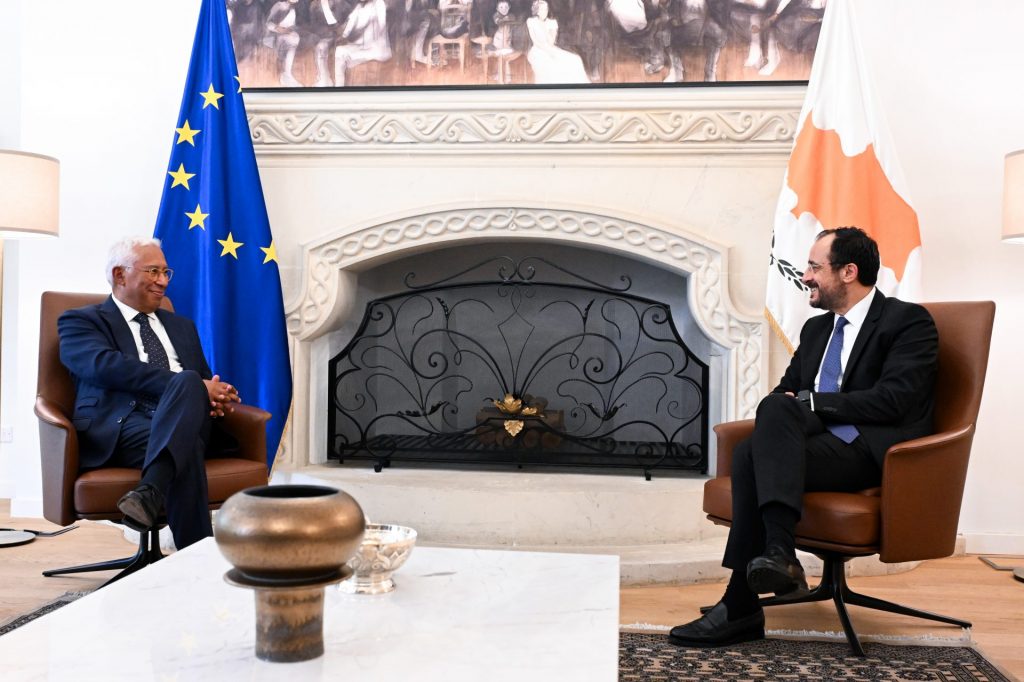
From left to right: António COSTA (President of the European Council), Nikos CHRISTODOULIDES (President of the Republic of Cyprus). Photo: European Union
Notwithstanding, the approval of the MFF is set to pose a challenge.
For instance, the Commission’s initial proposal was immediately criticised by the European Parliament. MEPs were particularly opposed to “national plans”, the Commission’s idea to merge funds for farmers and regions (which make up around half of the EU’s total budget) into single funds managed by the bloc’s 27 governments. This is a change from the current system, where regions played a key role in managing funding, and two years of intensive negotiations are expected.
When it comes to the proposal of the new EU Common Agricultural Policy (CAP) within the MFF, some member states have reacted negatively. The Minister of Agriculture and Rural Development of the Slovak Republic, Richard Takáč, said that the Cyprus Presidency might not be successful in those negotiations. “Some things will ultimately not be agreed on at the level of agro-ministers. They will have to be addressed at the highest level, i.e. at the level of prime ministers,” said Takáč.
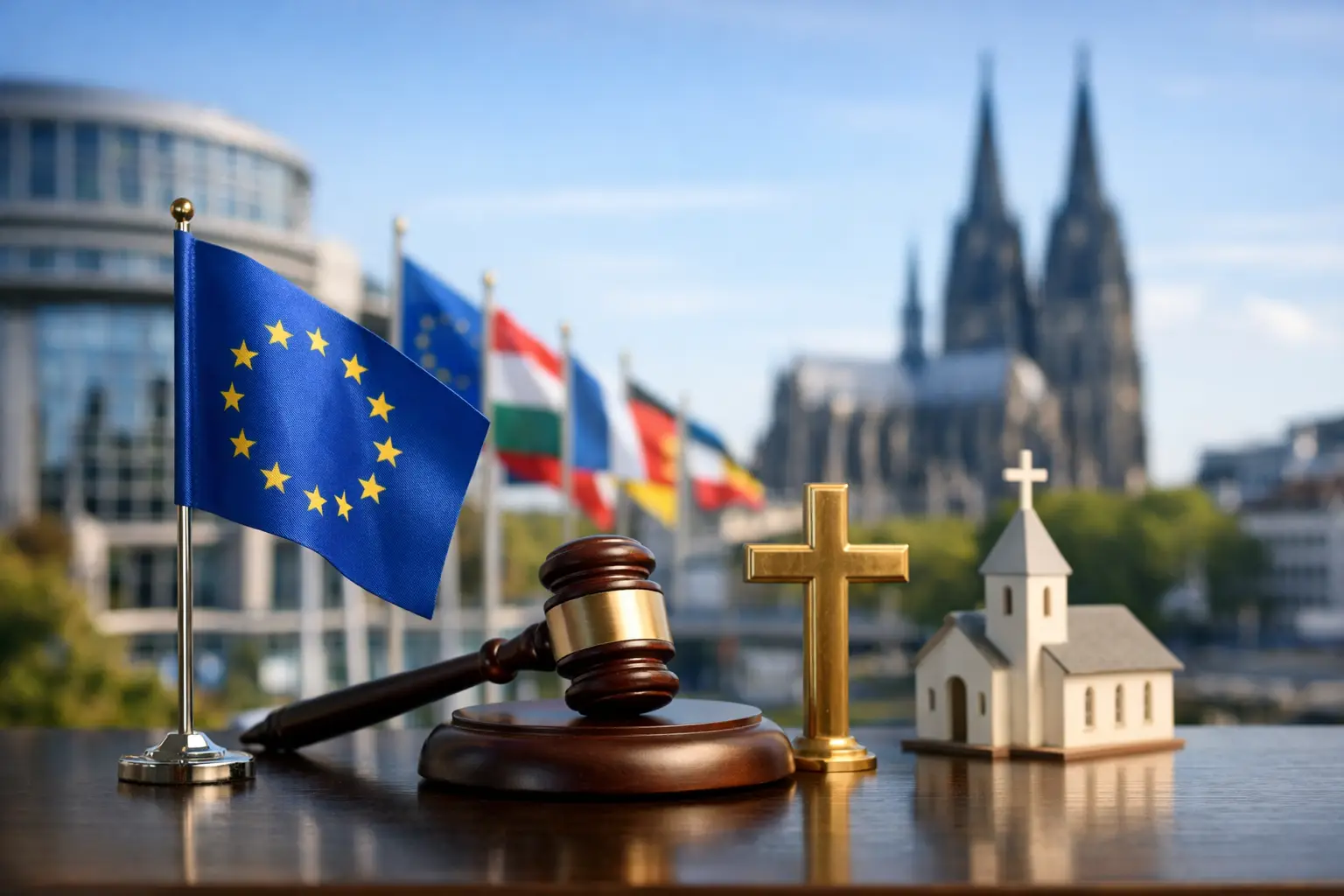
Among other priorities are the strengthening of the Rule of Law across the Union, the implementation of the European Affordable Housing Plan, completing the Single Market and securing the Union’s digital leadership.
The official opening ceremony of the Cyprus Presidency of the Council of the EU will be held on January 7 in Lefkosia, as Nicosia is mostly called by the Greek-speaking Cypriots (Lefkoşa by the Turkish speaking population), its capital city.
This article is an ENR Key Story. The content is based on information published by ENR participating agencies.