




























World Cup 2026: FIFA Showpiece set to Deliver Economic Boom
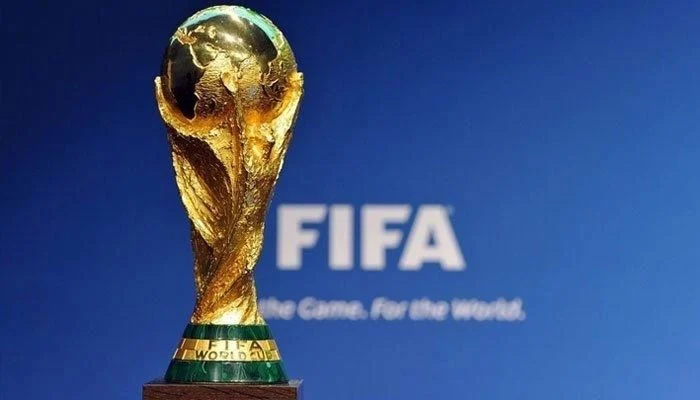
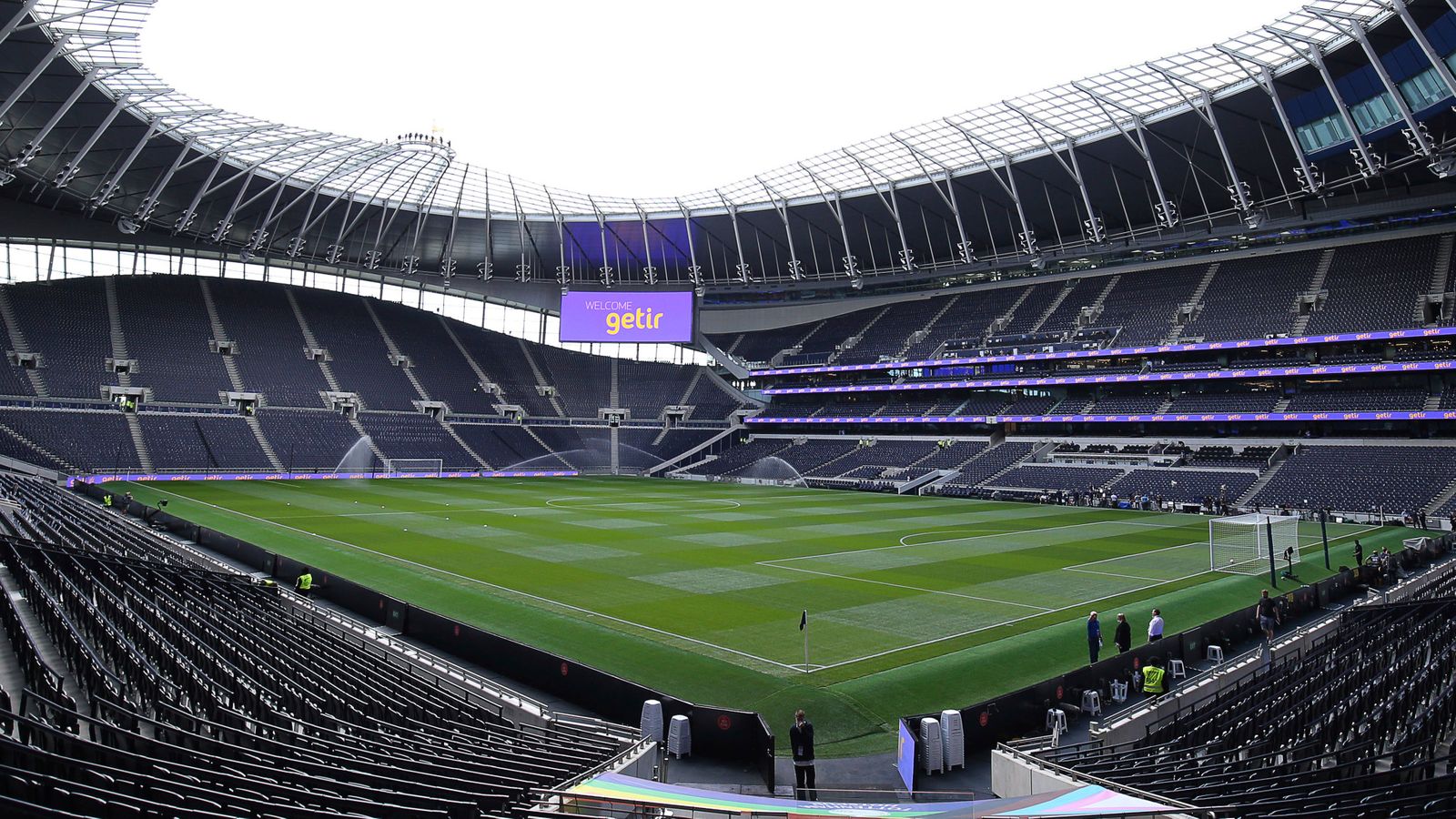
The 2026 FIFA World Cup in the United States, Canada and Mexico will be the most expansive international football tournament ever staged.
FIFA expects it to attract a global audience of more than six billion people, making it the most-watched sporting event on the planet. Read on as we look at the economic impact of the World Cup.
How Businesses Stand to Benefit
The expansion from 32 teams to 48 teams has dramatically increased the size of the tournament, with FIFA keen to give smaller nations a chance to rub shoulders with the best in the world.
That expansion means there will be 104 matches played at the World Cup, creating more opportunities for broadcasters, sponsors and FIFA to make more money.
Experts and analysts estimate that FIFA could generate around $11 billion in revenue from the tournament, which is almost double what it earned from the 2022 World Cup in Qatar.
North America is one of the world’s most important consumer markets, and hosting the competition across three countries provides brands with access to millions of potential customers.
Many companies will use the World Cup as a month-long global marketing campaign, and businesses operating in and out of the host cities are most likely to feel the impact.
Hotels, airlines, restaurants, bars, retailers, ride-sharing companies, entertainment venues and tourism operators will benefit from the arrival of millions of visitors.
Research suggests that nearly nine out of ten World Cup viewers plan to make purchases related to watching matches.
The demand for food, drinks, snacks, merchandise, electronics and streaming subscriptions will increase throughout the tournament.
Consumer spending linked directly to World Cup viewing could reach around $7.5bn in the US alone.
Many businesses are already planning special promotions and match-day experiences to bring in more revenue, with restaurants and sports bars likely to be among the biggest winners.
Betting Could Reach Record Levels
There has been a dramatic expansion across the global gambling industry since the last World Cup in Qatar, with more countries introducing regulated betting markets.
Mobile betting has become more commonplace, with technology making it easier than ever to place wagers.
In the US, legal sports betting has expanded from 31 states at the end of 2022 to 38 in 2026, giving millions of people a chance to participate in the upcoming tournament.
With the 2026 World Cup set to feature more teams and a larger number of matches than previous editions, financial analysts expect this to be a record-breaking tournament in terms of betting activity.
Given the scale of the World Cup, punters will rely on resources such as the sports coverage guide listed on BettingTop10.com to inform their wagering activities.
The 2022 World Cup generated around $1.8bn in betting turnover in the US market. Some forecasts suggest that the figure could double during the 2026 tournament.
Technology has played a massive role in the US betting boom. Punters now have access to advanced tracking systems that are capable of collecting enormous amounts of data in real time.
That allows bookmakers to offer detailed betting markets while helping bettors manage risk effectively.
The Ticketing Business Under the Spotlight
One of the biggest controversies surrounding the 2026 World Cup stems from ticket prices, although that has not stopped many supporters from picking them up.
Ticket prices for some matches have reached levels that many supporters consider excessive. One clear example is for the World Cup final scheduled to take place in New Jersey on July 19.
The most expensive final tickets FIFA has sold cost $6,730, which is much higher than the $1,600 it charged during the World Cup in Qatar.
By its latest sales windows starting in April, the same category of tickets cost a staggering $10,990.
Attending certain matches could cost anywhere from $600 to more than $2,000 when ticket and hotel expenses are combined.
These ridiculous prices have caught the eye of regulators and sparked massive backlash and criticism from fans and even political figures.
Authorities in New York and New Jersey have launched investigations into FIFA’s ticketing practices.
FIFA president Gianni Infantino has defended the cost, claiming they reflect the public’s ‘absolutely crazy’ anticipation for the summer tournament.
However, there are still plenty of tickets left unclaimed, including those for the curtain raiser on June 11.
The post World Cup 2026: FIFA Showpiece set to Deliver Economic Boom appeared first on Ten Sports TV.