




























Win a £3 Million House for £10? Inside the Rapid Rise of Omaze
Quick Answer: Omaze is a for-profit prize draw company that sells entries from £10 for the chance to win luxury homes worth up to £6 million. Founded in the US in 2012 and launched in the UK in 2020, it has now given away 44 properties, raised over £106 million for charity and generated £197 million in revenue in 2024 alone. It is not regulated as gambling because it offers a free postal entry route, classifying its draws as prize competitions rather than lotteries.
A £4 million house in the Cotswolds. £250,000 in cash. A 1962 Jaguar E-Type worth £90,000. All for the price of a tenner. That is the pitch Omaze makes every month to millions of people across Britain — and it is working on a scale that few in the industry predicted.
Since launching in the UK in 2020, Omaze has become one of the country’s most visible consumer brands. Its Instagram-friendly house tours, celebrity ambassadors and relentless advertising have turned a simple concept — buy an entry, maybe win a house — into a business generating nearly £200 million a year. In 2024, the company posted its first profit: £6.2 million pre-tax, up from a £17.3 million loss the previous year. Revenue jumped from £127 million to £197 million over the same period.
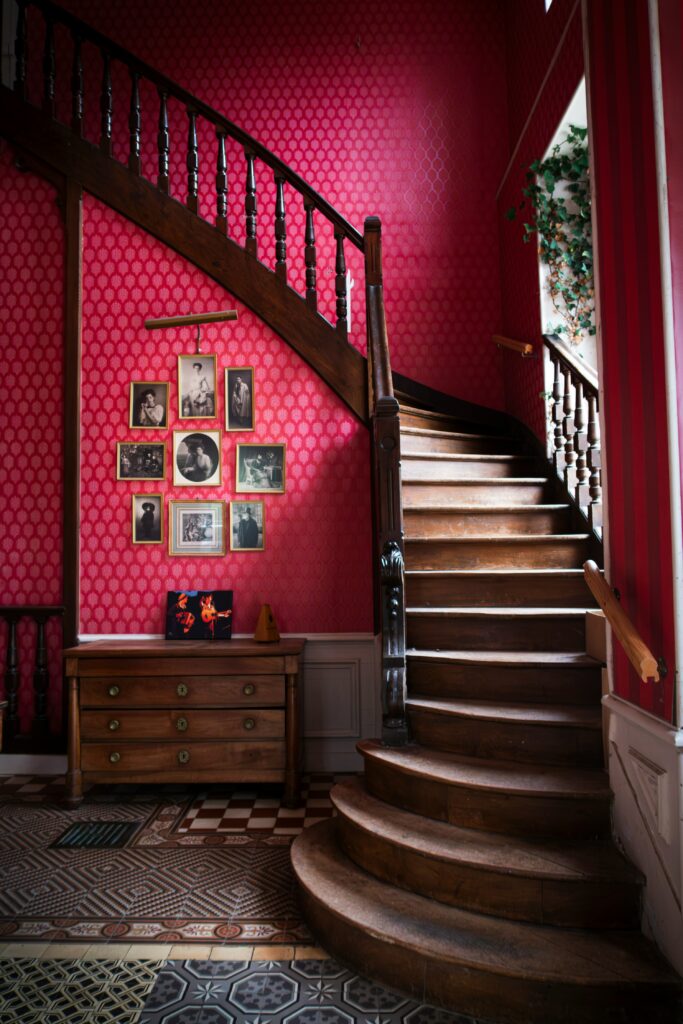
The numbers behind the dream are striking. Omaze has now given away 44 luxury homes across the UK, each valued at over £1 million, with an average prize worth £2.9 million. The most expensive property to date was a £6 million coastal house in Norfolk. Every draw guarantees a minimum £1 million donation to a named charity partner — beneficiaries have included the British Heart Foundation, NSPCC Childline, Cancer Research UK, Alzheimer’s Society and Age UK, which alone received £5.25 million from a single campaign. In total, Omaze says it has raised more than £106 million for charity.
How It Actually Works
The model is straightforward. Omaze buys a property, furnishes it, markets it heavily and sells entries online from £10 for 15 entries. Subscription plans offer more entries at higher price points: £10 a month for 60 entries, £25 for 200, or £50 for 640. Each account is capped at £500 per calendar month. Once the draw closes, a randomised engine selects a winner, verified by an independent adjudicator. The winner receives the property mortgage-free, with stamp duty, legal fees and furnishings included.
Of total sales, 17 per cent goes to the charity partner. The remainder covers the cost of the property, marketing, operations and Omaze’s retained profit. Critics argue this means the charity share is relatively modest compared with total revenue — a point the company counters by noting that its guaranteed £1 million per draw often exceeds what charities could raise through traditional methods.
The Controversy That Won’t Go Away
Omaze sits in a regulatory grey zone that has attracted sustained scrutiny. Because it offers a free postal entry route, it is classified as a prize draw rather than a lottery — placing it under the Advertising Standards Authority rather than the Gambling Commission. Anti-gambling campaigners, including Clean Up Gambling director Matt Zarb-Cousin, have argued this distinction has become outdated and amounts to a loophole. The Gambling Commission itself has received formal complaints about Omaze, noting it among the most frequently reported prize draw operators.
Crucially, Omaze does not disclose the odds of winning. Independent estimates, based on reverse-engineering charity donation figures and ticket prices, suggest odds in the range of one in two million per £10 entry — considerably longer than a National Lottery jackpot. The company caps monthly spending but does not publish total entry numbers, making it impossible for participants to assess their actual chances.
Most winners sell their properties within 12 months. Running costs on homes worth several million pounds — council tax, insurance, maintenance — can exceed £100,000 a year, a burden that catches many winners off guard.
Why It Keeps Growing
None of this has slowed Omaze down. The company now runs a house draw every month, has expanded into Germany and relocated its headquarters from Los Angeles to London — a signal that the UK market is the engine of its growth. Benedict Cumberbatch and Jonathan Pryce are among recent celebrity ambassadors. Its current draws include a £4 million Cotswolds house and a £4 million property in Cornwall, both closing in March 2026.
The appeal is not hard to understand. In a country where the average house price exceeds £290,000 and mortgage affordability remains stretched, Omaze is selling something more powerful than a prize draw entry. It is selling the idea that homeownership — real, life-changing, mortgage-free homeownership — might be just one lucky ticket away.
Whether that dream is worth £10 a month depends on how you feel about odds you will never be told.
The post Win a £3 Million House for £10? Inside the Rapid Rise of Omaze appeared first on European Business & Finance Magazine.