



























Strait of Hormuz-The 21 Mile Strait That Could Break the Global Economy
Quick Answer The Strait of Hormuz is a 21-mile-wide chokepoint through which 20% of all global oil passes every day. Since Iran effectively closed it on March 2 using drone strikes and maritime intimidation, Brent crude has surged from $65 to over $100 a barrel, the IEA has launched a record emergency reserve release, and global shipping has frozen. There is no bypass infrastructure capable of replacing the strait’s capacity — making this the most significant supply disruption in the history of global energy markets.
Iran doesn’t need to win a single battle to keep the Strait of Hormuz closed. It just needs to keep launching $20,000 drones at $200,000,000 tankers — and the world has no answer.
Most people think the Strait of Hormuz is an oil story. It isn’t. It’s a civilisation story.
Yes, oil is the headline. Yes, Brent crude hitting $126 a barrel — its highest level since the energy crisis — has sent shockwaves through financial markets, triggered emergency responses from governments on three continents, and forced the International Energy Agency to launch the largest strategic reserve release in its history. But oil is just the beginning of what happens when the world’s most important 21 miles of water stops moving.
The Jugular Vein of the Global Economy
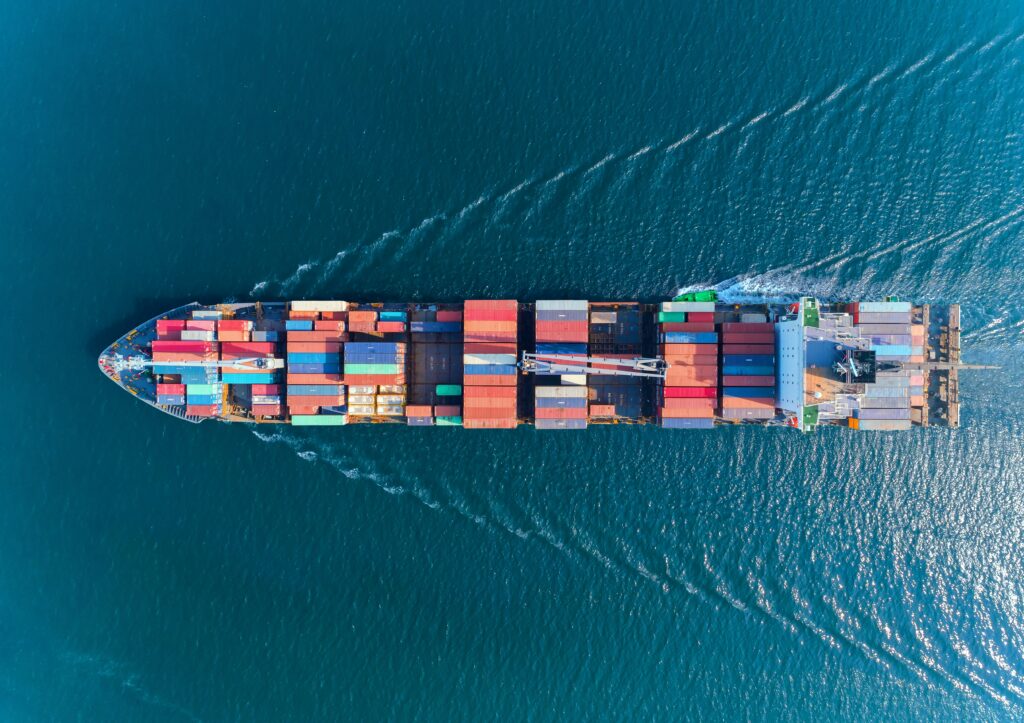
The Strait of Hormuz sits between Iran and Oman at the mouth of the Persian Gulf. At its narrowest point it is just 21 miles wide. Every day, roughly 20 million barrels of crude oil pass through it — accounting for approximately 20% of all global oil supply. But crude is only part of what flows through that water. Liquefied natural gas, petrochemicals, fertilizers, metals, and manufactured goods all move through the strait in volumes that make it, by any reasonable measure, the single most critical chokepoint in the global economy.
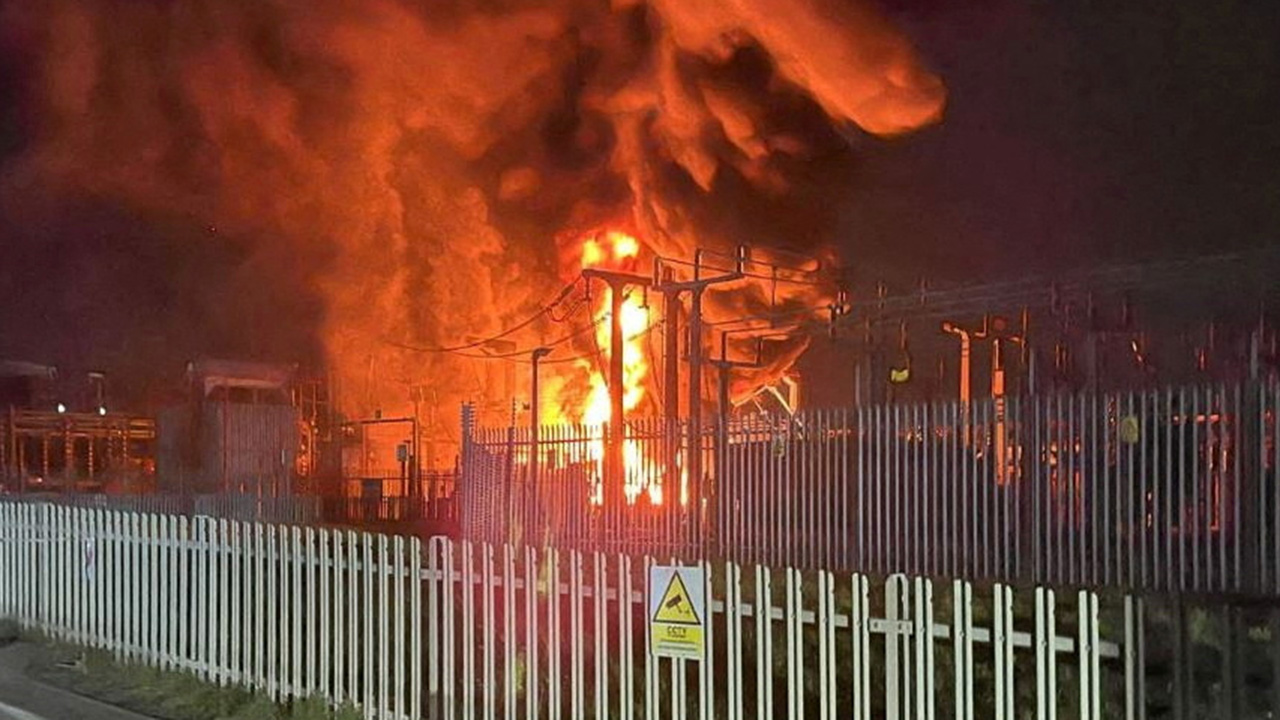
Since March 2, Iran has effectively shut it down. Not through a naval blockade in the traditional sense — but through something more insidious and harder to counter: drones and fear. Iranian forces have struck two oil tankers this week alone. Commercial shipping hasn’t stopped entirely, but it has frozen in the way that matters most — insurers have pulled coverage, captains are refusing routes, and cargo operators are holding vessels in port waiting for clarity that isn’t coming.
The result is an oil market in freefall upward. Brent went from $65 to over $100 in under two weeks. At its peak this week it touched $126 — a level that, just a month ago, most analysts considered a tail-risk scenario rather than a base case. The IEA’s emergency reserve release, historically unprecedented in scale, has so far failed to meaningfully cool prices. The signal that sends to markets is stark: even the last line of institutional defence isn’t working.
Why There Is No Fix
The critical fact that has been consistently underplayed in mainstream coverage is the bypass capacity problem. There are only two pipeline alternatives to the Strait of Hormuz. Saudi Arabia’s East-West Pipeline and the UAE’s Habshan-Fujairah Pipeline together can move approximately 6 to 7 million barrels per day. The strait normally handles 20 million. That leaves a gap of 13 million barrels per day that no infrastructure on earth can fill. Not today, not next month, not next year. The pipelines that would need to exist to close that gap have not been built.
This is the detail that changes the entire character of the crisis. Every previous oil supply disruption in modern history — the 1973 embargo, the Gulf War, the 2019 Abqaiq attacks — involved a reduction in supply that, however severe, could in theory be offset through releases, rerouting, or rapid production increases elsewhere. The Hormuz closure cannot be offset. The physical infrastructure does not exist.
The Cascade Nobody Is Talking About
Japan announced emergency oil reserve releases starting March 16 and is now actively reviewing whether to purchase Russian oil, a move that would require navigating US sanctions waivers — a scenario unthinkable just weeks ago. The broader Asian picture is similarly alarming. The region is overwhelmingly dependent on Gulf energy, and the scramble now underway among Asian governments — many of whom import 80% or more of their oil via the Persian Gulf — has no obvious resolution.
Beyond energy, the United Nations warned this week that food prices, fertilizer costs, and global transport expenses are all spiking as a direct consequence of the Hormuz disruption. Fertilizer in particular, much of which is produced using Gulf natural gas and shipped through the strait, feeds directly into global agricultural costs. A sustained closure doesn’t just raise petrol prices — it raises the cost of food.
The asymmetry at the heart of this crisis is the detail that should concern policymakers most. Iran is deploying drones that cost roughly $20,000 each against tankers worth $200 million. The economic exchange rate of this conflict is roughly 10,000 to one in Iran’s favour. Tehran does not need to win a single military engagement to sustain the closure. It simply needs to maintain enough threat to keep insurers and captains making the rational commercial decision to stay away.
One 21-mile stretch of water. Twenty percent of the world’s oil. Thirteen million barrels a day with nowhere else to go. The Strait of Hormuz isn’t a shipping lane. It is, as some analysts have taken to calling it this week, the jugular vein of the global economy — and right now, it is being held at knifepoint.
FAQ 1: Why can’t the world just use alternative pipelines instead of the Strait of Hormuz? The two existing bypass pipelines — Saudi Arabia’s East-West Pipeline and the UAE’s Habshan-Fujairah Pipeline — have a combined maximum capacity of around 6-7 million barrels per day. The Strait of Hormuz normally handles 20 million barrels per day, leaving a gap of 13 million barrels that cannot physically be rerouted through any existing infrastructure.
FAQ 2: How has the Hormuz closure affected prices beyond oil? The disruption is feeding through to liquefied natural gas, fertilizers, petrochemicals, and global shipping costs. The UN has specifically warned of rising food prices as fertilizer supply chains dependent on Gulf gas exports are disrupted. Japan is already reviewing emergency energy purchases from Russia, and Asian governments heavily dependent on Gulf imports are scrambling for alternatives.
The post Strait of Hormuz-The 21 Mile Strait That Could Break the Global Economy appeared first on European Business & Finance Magazine.