





























Why Most Businesses Still Do Not Truly Understand AI- We find out why not

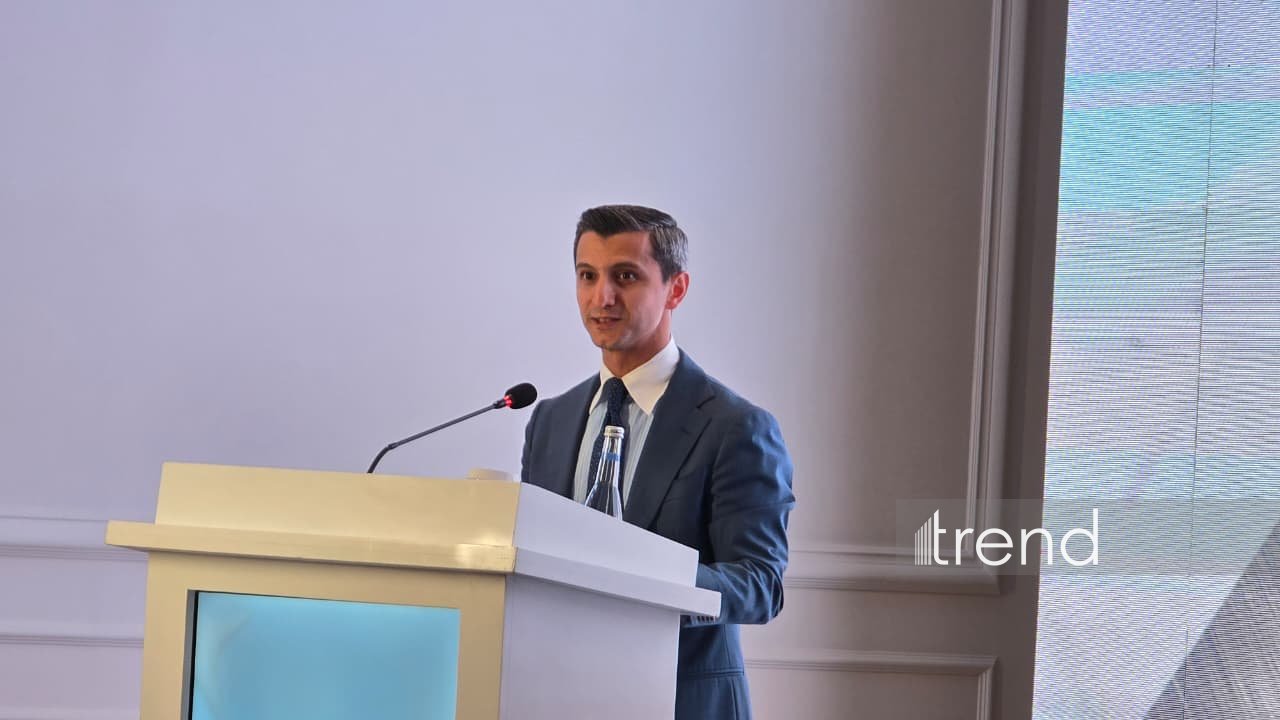
 Joshua Wohle is a leading voice in the evolving world of artificial intelligence and modern work, and a highly respected technology speaker whose insights help global organisations transform decision-making, creativity and productivity.
As a consultant, trainer and live demonstration expert, he challenges conventional thinking about AI, not just as a tool for automation but as a strategic thought partner that enhances human judgement and accelerates performance.
In this exclusive interview with The London Keynote Speakers Agency, Wohle shares how businesses can build true AI competency, balance innovation with responsibility, and prepare their people and processes for a future shaped by constant technological change.
Q1: How should business leaders rethink the role of generative AI in everyday decision-making beyond simple automation?
Joshua Wohle: “One of the biggest misunderstandings of AI, and that is because everything gets put into the bucket of AI at the moment, is the new wave of generative AI. Up until now, AI has almost always been about automation.
“That leads to a situation where today, when people look at generative AI, they also think about automation use cases first. Where really the power of this technology of generative AI is to help you do better work. Not just automate the things you are already doing, but help you get better at the things that you are already doing.
“The biggest thought framework that we invite people to change is to think about AI as a teammate, as a thought partner. There is no executive in the world that cannot be improved by having their ideas battle-tested, by having someone, in this case AI, play devil’s advocate on whatever decision they are about to make, or to throw a hundred ideas about how to solve a particular problem that the executive might be struggling with.
“It is still up to the executive to figure out which one of those hundred ideas they should actually take and which is worth pursuing. But it helps you get to great solutions faster. It helps you take solutions or problems that you have and improve your answer to them, and do so in a way that is instant.
“You can think about some of this as the cost of making a decision, where there is always a point at which you would ask a second pair of eyes on something. The more important the decision or the project, the more pairs of eyes you ask to either talk about it, socialise the concept, figure out what is right and what is not, and get another opinion on it.
“What is happening with AI is that the first hurdle of getting that second opinion has just dropped to zero. You always have access to a second opinion. You no longer have to think about whether it is worth bringing to a colleague to get a second pair of eyes on, because the cost of that second pair of eyes is zero.”
Q2: When you talk about “AI competency”, what skills and mindset shifts truly separate surface-level use from real competitive advantage?
Joshua Wohle: “AI competency is about not just understanding what AI might or might not be able to do, but actually being able to do it yourself. AI competency includes two parts, and I would actually say only about 10% is knowing how to use the tools. Ninety per cent of AI competency is mindset shift. It is helping you think differently about the way that you work for you to be able to take advantage of AI in the first place.
“Because if all you are doing is taking a tool and applying it to an existing workflow and not changing your workflows, you are only scratching the surface of what this technology is able to do. It is only when you change the way that you work and you are inviting the AI in that you get to the real unlock.
“I would say there are two things. One is the mistake to think that because AI is so easy to use, that must mean it is easy to master. This is where we go back to the behaviour change, the mindset shift.
“Lots of people know how to talk or to write, and so it becomes very easy to talk to an AI assistant. That creates the false impression that because it is so easy to use, you know how to use it.
“The number one red flag that we see, and this happens 99 times out of 100, is where people would say, “I know how to use AI because it has replaced my Google usage. I search everything on ChatGPT now.” When people think it is a search replacement, we know that there are five or six levels of unlock that are still to be achieved.
“The second bit is that they think AI adopts itself. No technology has ever adopted itself. There has always been a more structured approach to get everyone to understand how they can use it in their jobs. If you are serious about trying to get to the productivity increase and the creativity unlock that it can bring, a structured approach will get you there dramatically faster.”
Q3: Why is live demonstration so important in cutting through the hype and confusion surrounding AI adoption in organisations?
Joshua Wohle: “Because the number one problem in this industry at the moment is people do not know what is actually possible. And the number two problem in this industry is too many people talk a big talk and actually do not know what to do themselves.
“We want to be very specifically different. Cut through the noise. Do not be the fiftieth AI slide talk that these people have actually sat through, but genuinely move the needle by giving them something that is experiential, where there is no ambiguity on whether what I am saying is right or wrong, because they are seeing it happen right in front of them.”
This exclusive interview with Joshua Wohle was conducted by Tabish Ali of The Motivational Speakers Agency.
The post Why Most Businesses Still Do Not Truly Understand AI- We find out why not appeared first on European Business & Finance Magazine.