





















WEEKEND READ: The Athlete-as-Hedge-Fund: How Ronaldo, LeBron and Mbappé Are Building Empires That Will Outlast Their Boots
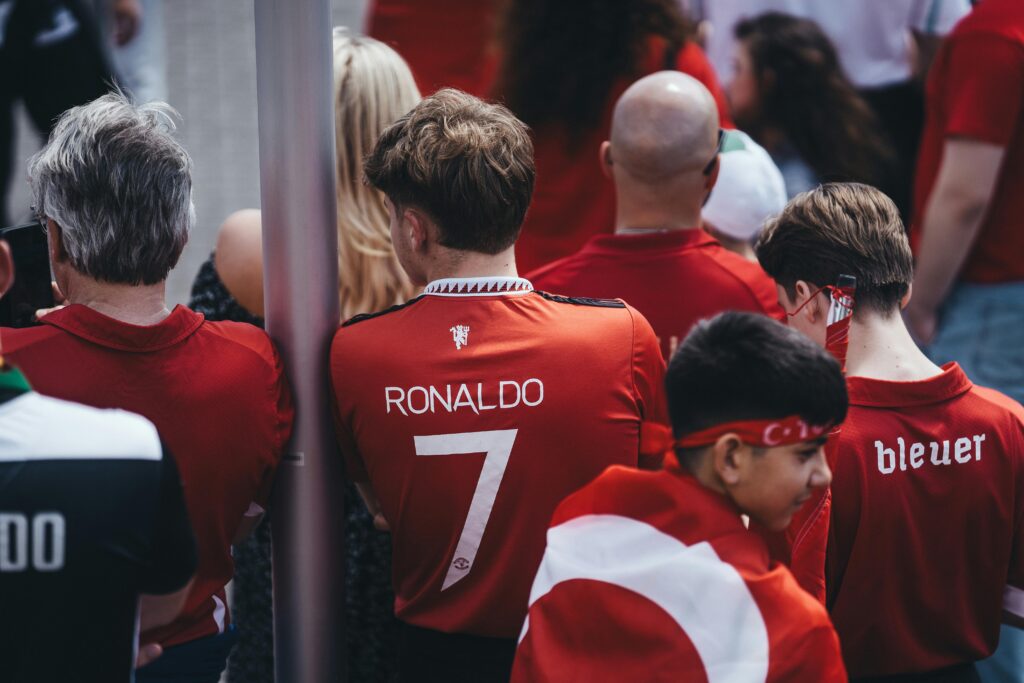
There is a moment in every elite athlete’s career when the conversation shifts. It happens quietly, usually around the age of 28 or 29, when the peak earnings window comes into view and the question changes from “how much can I make?” to “what am I actually building?” For the previous generation, the answer was property, car collections and a comfortable retirement. For Cristiano Ronaldo, LeBron James and Kylian Mbappé, the answer looks more like a diversified investment vehicle with a global distribution network attached — and the playing career is merely the marketing budget.
This is the new athlete economy. And it is reshaping how wealth is created, managed and compounded at the very top of professional sport.
The Ronaldo Blueprint: Vertical Integration at Scale
Cristiano Ronaldo is, by most conventional measures, the most commercially successful athlete in human history. His Instagram following exceeds 650 million. His Nike lifetime deal, signed in 2016 and reportedly worth in excess of $1 billion over its duration, remains the largest individual athlete endorsement in the sportswear industry’s history. But the endorsement model — brand pays athlete, athlete appears in advertisement — is increasingly the least interesting part of the Ronaldo commercial architecture.
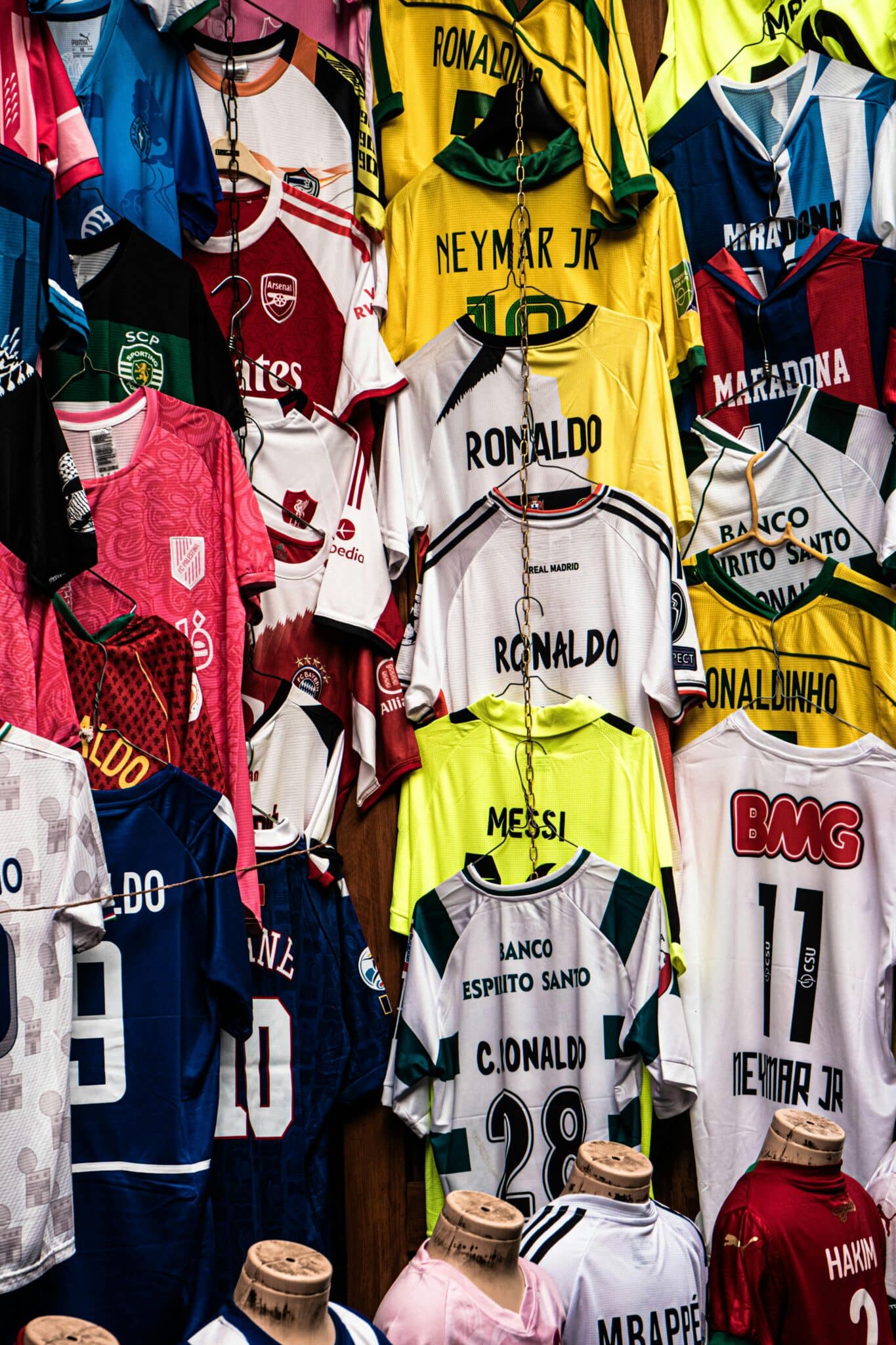 The more significant story is CR7, his owned brand spanning hotels, a clothing line, a fragrance portfolio, a gym chain and a hair transplant clinic group that has expanded to over 45 locations across Europe and the Middle East. These are not vanity projects. They are vertically integrated businesses built on a distribution asset — Ronaldo’s attention — that no competitor can replicate and no platform can switch off.
His move to Al-Nassr in Saudi Arabia in January 2023, widely reported as a footballing step down, was commercially transformative. The base salary of approximately $200 million per year made global headlines. Less reported was the Saudi tourism ambassador role embedded in the contract and the associated commercial rights package that gave Ronaldo equity-linked exposure to Vision 2030’s sports and leisure infrastructure build-out. As we reported in our analysis of how Saudi Arabia’s Public Investment Fund is reshaping global sport and capital markets, the Kingdom is not buying athletes for football results. It is buying distribution at scale.
Ronaldo understood the transaction better than most commentators. He sold his attention to the world’s most capital-rich sovereign fund and retained the business infrastructure that converts that attention into long-term commercial value.
The LeBron Model: Ownership as the End Game
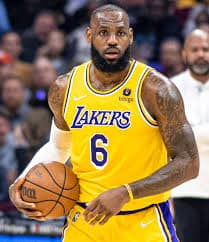 LeBron James is frequently described as the first athlete to become a billionaire primarily through business rather than sport. That framing understates what he has actually built. His Springfield Productions media company, his partnership with Maverick Carter through SpringHill Entertainment, his early equity stake in Blaze Pizza — since exited — and his reported 1% ownership stake in the Liverpool Football Club ownership group, Fenway Sports Group, represent something qualitatively different from celebrity endorsement.
The Liverpool stake alone, acquired reportedly in exchange for promotional services around 2011 when the club was valued at approximately $476 million, is now worth in the region of $100 million based on FSG’s current implied valuation. That is a return profile that most institutional investors would be satisfied with. LeBron achieved it by understanding that his promotional value had a monetisable equity equivalent — and insisting on taking it in ownership rather than cash.
As we explored in our analysis of why European football clubs are attracting record levels of US private equity interest, the convergence of sport and institutional capital has accelerated sharply over the past five years. LeBron was ahead of that curve by a decade. His SpringHill Entertainment deal with NBC Universal, reportedly valued at $725 million, was structured to give him ongoing equity participation rather than a flat production fee. The distinction matters enormously in terms of compounding value over time.
The broader LeBron playbook — take equity over cash, build owned media, invest in category-defining consumer businesses, use the playing career as a launchpad not a destination — is now the template that every serious athlete wealth management adviser references in initial client conversations.
The Mbappé Generation: Starting Earlier, Thinking Bigger
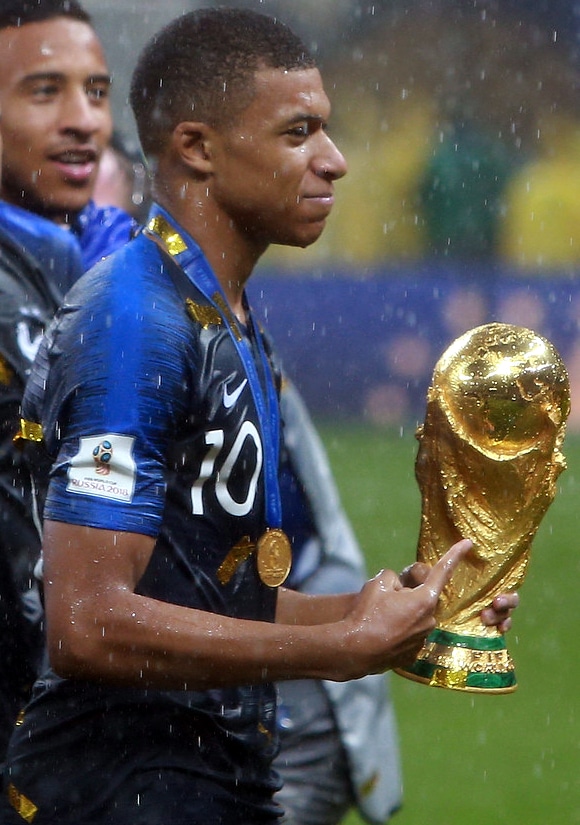
Kylian Mbappé is 25 years old and already operating with a commercial sophistication that most athletes only develop in retirement. His decision to leave Paris Saint-Germain for Real Madrid in the summer of 2024 was not simply a football decision. The structure of the deal — which reportedly included a signing bonus in the region of €150 million paid directly to Mbappé rather than through the club — was designed to capitalise his personal balance sheet at the precise moment his market value was at its absolute peak.
The commercial logic is impeccable. A signing bonus is taxed once at point of receipt. Salary is taxed annually. By front-loading the capital event, Mbappé’s advisers maximised the investable base available for long-term deployment. That capital has reportedly been directed into a portfolio spanning French tech startups, a production company and property across Paris, London and Madrid — markets where the long-run capital appreciation case requires no particular genius to construct.
What distinguishes Mbappé from the previous generation is the deliberateness of the architecture. He did not accumulate endorsements passively. He built a team — commercial directors, investment advisers, legal counsel — while still a teenager at Monaco. His mother, Fayza Lamari, serves as his agent, removing the structural conflict of interest that has cost other athletes hundreds of millions in misaligned incentives over the course of their careers. As we noted in our coverage of the business model behind elite sport’s new commercial era, the athletes extracting the most value from the modern sports economy are those who treat themselves as a business from day one rather than discovering that framework at the point of retirement.
The New Playbook: Five Principles Every Elite Athlete Now Follows
The Ronaldo, LeBron and Mbappé model is not accidental. It reflects a set of principles that have become standard practice at the top of the athlete wealth management industry.
Own the brand, not just the endorsement. The shift from being paid to wear a logo to owning equity in the brand that makes the logo is the single most important financial evolution in athlete commercial strategy over the past decade. According to Bloomberg, athlete-founded consumer brands now attract venture capital at valuations that would have been unthinkable fifteen years ago.
Build owned media before you need it. Ronaldo’s YouTube channel, LeBron’s media company, Mbappé’s production interests — all were established while the playing careers were generating the audience. The audience is the asset. The media infrastructure converts it to cash after the boots come off.
Take equity in sport’s infrastructure, not just its spectacle. Club ownership stakes, broadcast rights participation, data and analytics businesses — the athletes who will be wealthiest in 2040 are the ones buying into the commercial infrastructure of sport now, while their names still open doors that money alone cannot.
Internationalise early and deliberately. The Saudi move for Ronaldo, the Liverpool stake for LeBron, Mbappé’s pan-European property portfolio — geography is a diversification strategy. As we reported in our analysis of how European capital markets are responding to the globalisation of elite sport, the most commercially sophisticated athletes are building balance sheets that span multiple jurisdictions and currency zones.
Protect the asset. Every elite athlete is now advised to treat their physical health, public reputation and social media presence as balance sheet items with quantifiable value. A reputational crisis is not just a PR problem — it is a direct impairment charge on the commercial empire underneath.
The Post-Career Horizon
The most telling indicator of how fundamentally the athlete economy has shifted is what happens after retirement. The previous generation built testimonial circuits and punditry careers. The current generation is building holding companies.
Ronaldo will retire — at some point — with a business portfolio generating revenue entirely independent of his playing status. LeBron’s media and investment empire is already larger, by revenue, than most mid-cap companies listed on European exchanges. Mbappé has three decades of compounding ahead of him and a capital base, a brand and a network that most entrepreneurs spend entire careers trying to construct.
LeBron’s commercial architecture deserves particular examination because it is the most mature and diversified of the three. SpringHill Entertainment, his production company built with longtime business partner Maverick Carter, signed a deal with NBC Universal reportedly valued at $725 million — structured with ongoing equity participation rather than a flat fee. That distinction is everything. His early stake in Blaze Pizza, acquired for promotional services rather than cash, was exited at a significant multiple. His reported 1% equity position in Fenway Sports Group — taken in lieu of endorsement fees when Liverpool was valued at $476 million — is now worth in the region of $100 million based on current FSG valuations. He owns a minority stake in the Boston Red Sox through the same vehicle. He has invested in Lobos 1707 tequila, Ladder health supplements and a portfolio of tech and media companies through his family office. What distinguishes the LeBron model above all else is the consistent preference for ownership over income — equity over cash, compounding over consumption. At 39, he is only now approaching the phase of his career where the investment portfolio will begin to generate more annual value than his playing salary ever did. The machine, in other words, is just getting started.
The question is no longer whether elite athletes can build businesses. It is whether the businesses they are building will eventually dwarf the sports that created them. On current trajectories, for the very best of this generation, the answer is almost certainly yes.
Related Analysis
The Champions League Is the World’s Most Valuable Sports Business — Here’s How the Money Works — The commercial infrastructure behind European football’s flagship tournament and why prize money is only the beginning of the story.
How Saudi Arabia’s PIF Is Reshaping Global Sport and Capital Markets — The sovereign wealth fund strategy behind LIV Golf, Newcastle United and the Ronaldo deal — and what it tells us about where sport’s money is really flowing.
Europe’s Biggest Football Clubs by Revenue — The Full Commercial Ranking — How the continent’s elite clubs are building commercial empires of their own — and why US investors are buying in at record valuations.
The post WEEKEND READ: The Athlete-as-Hedge-Fund: How Ronaldo, LeBron and Mbappé Are Building Empires That Will Outlast Their Boots appeared first on European Business Magazine.