
























WEEKEND READ: Max Verstappen’s $250 Million Empire: Inside F1’s Highest-Paid Driver
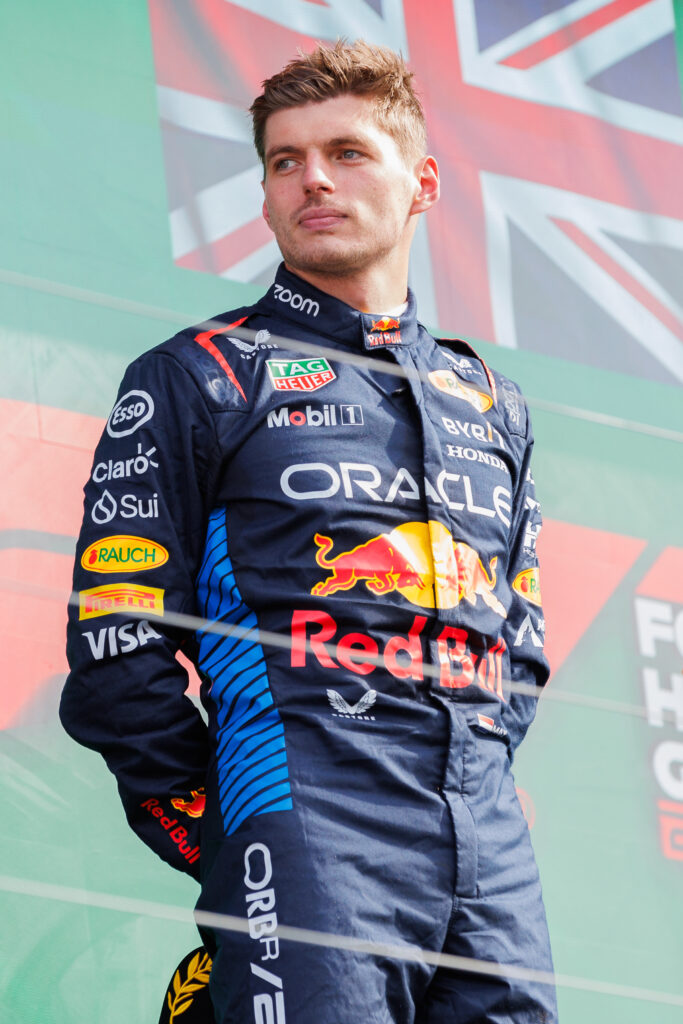
London, June 27 (EBM Weekend Read) — By Nick Staunton
Max Verstappen: From Karting Prodigy to F1’s Youngest-Ever Race Winner
Max Verstappen was born into motorsport. His father, Jos Verstappen, raced in Formula 1 throughout the 1990s, while his mother, Sophie Kumpen, was a successful international kart racer in her own right. The combination proved decisive: Verstappen began karting at age four, racing under his father’s intensive coaching and tutelage, and by seven had already won his first race.
His karting career became the stuff of legend. By 2013, aged just 15, Verstappen swept three CIK-FIA championships in a single season — two European titles and a World Championship — an unprecedented achievement in the sport’s history, won by beating future F1 rival Charles Leclerc to the KZ World Championship title. He had won more than 20 karting championships in total before ever sitting in a single-seater car.
The step up came fast. In 2014, Verstappen moved into FIA European Formula 3, finishing third in the championship despite winning more races than anyone else in his rookie season — a result skewed by retirements rather than pace. That was enough to convince Red Bull, who signed him to their Junior Team in August 2014. Within months, the 17-year-old was announced as a full-time Toro Rosso driver for 2015, making his Grand Prix debut in Australia and becoming the youngest driver in Formula 1 history.
He didn’t stay a backmarker for long. Promoted to Red Bull’s senior team just four races into the 2016 season, Verstappen won on his debut at the Spanish Grand Prix — becoming F1’s youngest-ever race winner at 18 years and 228 days old. It was a statement of intent that set the tone for everything that followed: four world championships, 71 Grand Prix wins, and a reputation, by his mid-twenties, as one of the fastest drivers the sport has ever produced
Net Worth
Max Verstappen’s net worth has surged to an estimated $250 million in 2026, up from roughly $62 million in 2019 — a more than 300% increase in seven years, built almost entirely on the same foundation that has made him Formula 1’s most dominant driver of his generation: salary, performance bonuses, and a deliberately small but lucrative sponsorship portfolio.
How Much Is Max Verstappen Actually Worth?
Estimates of Verstappen’s net worth vary considerably depending on the source, ranging from around $156 million at the more conservative end to figures approaching $400 million at the top. The most commonly cited figure across multiple trackers sits between $200 million and $260 million. That spread itself tells a story: unlike publicly listed companies, athlete net worth estimates rely on a mix of disclosed contract terms, leaked figures and informed guesswork about endorsement values that teams and sponsors rarely confirm officially.
Where the Money Actually Comes From
The bulk of Verstappen’s wealth is generated on-track. His current Red Bull Racing contract, signed in March 2022 and running through 2028, is estimated at a base salary of around $70 million annually — comfortably the highest on the current grid, ahead of even Lewis Hamilton’s reported Ferrari package. Layered on top of that base salary are performance bonuses tied to race wins, podiums, and championship position; in a strong title-winning season, those bonuses alone have reportedly added $15-20 million on top of salary. Combined, Verstappen’s total on-track income — salary plus bonuses — has been estimated at upwards of $81 million in a single season, a sum Red Bull’s own commercial machine has structured to reward exactly this kind of sustained dominance.
A Famously Small Sponsorship Portfolio — by Design
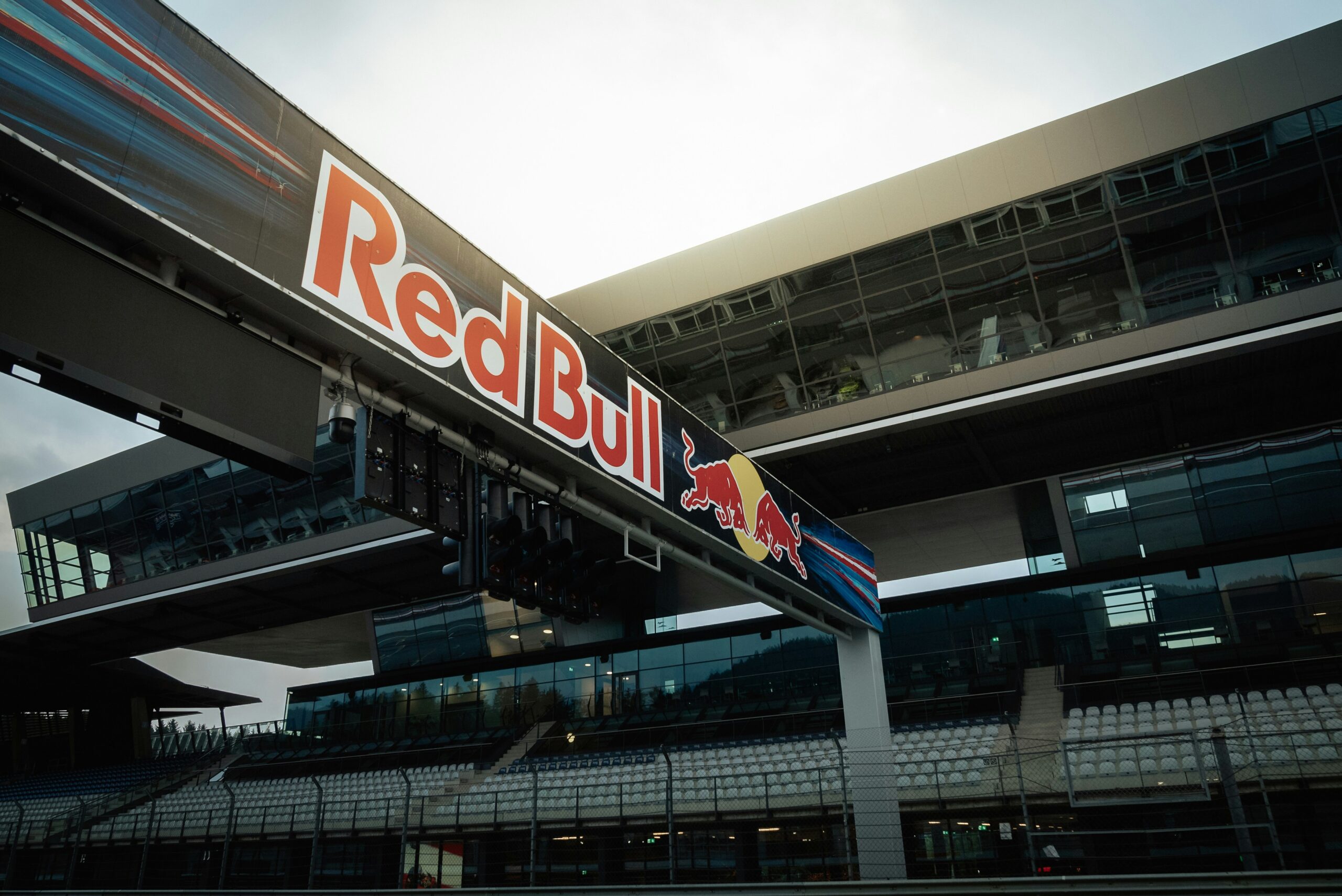
Unlike many of his rivals on the grid, Verstappen’s management has deliberately kept his personal sponsorship roster small rather than maximising the number of brand logos on his helmet. His core personal endorsements include Heineken (as a global brand ambassador for its alcohol-free “When You Drive, Never Drink” campaign), EA Sports, TAG Heuer, and previously Jumbo, the Dutch supermarket chain that backed him since his junior karting days before exiting sports sponsorship altogether after 2023. Estimates put his total personal sponsorship income at somewhere between $9 million and $15 million annually — a relatively modest sum compared to athletes in more lifestyle-driven sports, reflecting F1’s broader sponsorship economics, where Red Bull’s own team-level commercial machine — anchored by Oracle’s roughly $110 million annual title sponsorship — does much of the heavy lifting that individual driver endorsements handle in other sports.
How That Compares to Race Winnings and Team Prize Money
 It’s worth being precise about what Verstappen’s income actually represents, because F1 doesn’t pay drivers prize money directly the way golf or tennis does. The roughly $1.27 billion in prize money F1’s ten teams shared in 2024 goes to the teams, not individual drivers — Verstappen’s earnings flow entirely through his Red Bull contract rather than any per-race payout structure. That’s a fundamentally different model from the $150 million Augusta generates in a single Masters week, where prize money is distributed directly to competing golfers — in F1, the team is the commercial entity, and the driver’s cut is negotiated salary, not winnings.
Where He’s Investing
Beyond racing income, Verstappen has begun building a more diversified commercial footprint, though notably less aggressively than some peers. In 2025 he launched his own GT3-class racing team, marking his first formal step into team ownership rather than purely driving for one, alongside stated ambitions to compete in endurance racing events including the 24 Hours of Le Mans and the FIA World Endurance Championship. Reports also point to investments in real estate, though specific holdings remain largely undisclosed. This is a markedly more conservative approach than peers like Lewis Hamilton, who has built out production company Dawn Apollo Films and a portfolio of equity stakes spanning Hollywood to fashion, or tennis’s Roger Federer, whose equity stake in On Running ultimately outperformed any conventional endorsement deal he could have signed.
Reading Between the Numbers
Verstappen’s wealth profile is unusual for an athlete of his global stature: it’s overwhelmingly performance-driven rather than brand-driven. Where Hamilton has built a sprawling commercial empire spanning film, fashion and venture investing, and Federer converted a single equity bet into hundreds of millions beyond his tennis earnings, Verstappen’s fortune remains anchored almost entirely in his Red Bull contract and a tightly curated handful of endorsements. The more interesting question for investors and brands watching F1’s commercial boom is whether Verstappen eventually pivots toward the equity-stake model his peers have pursued, or whether his $70 million base salary and Red Bull’s own dominant commercial machine make that diversification simply less necessary for him than it has been for others.
Related reads:
- How Red Bull Bought an F1 Team for $1 and Built a $20 Billion Empire
- Lewis Hamilton’s $500 Million Second Act
- Inside the F1 Investment Boom: Why Billionaires Are Circling the Paddock
The post WEEKEND READ: Max Verstappen’s $250 Million Empire: Inside F1’s Highest-Paid Driver appeared first on European Business Magazine.