

























The Quiet Billionaire: How Francesco Totti Turned a Football Career Into a Roman Empire
EBM WEEKND READ – BY Nick Saunton, Editor-in-Chief
The business of being an Italian icon — property, restaurants, media rights and why Totti’s post-pitch portfolio is more interesting than his playing career ever was.
The Man Who Never Left Rome
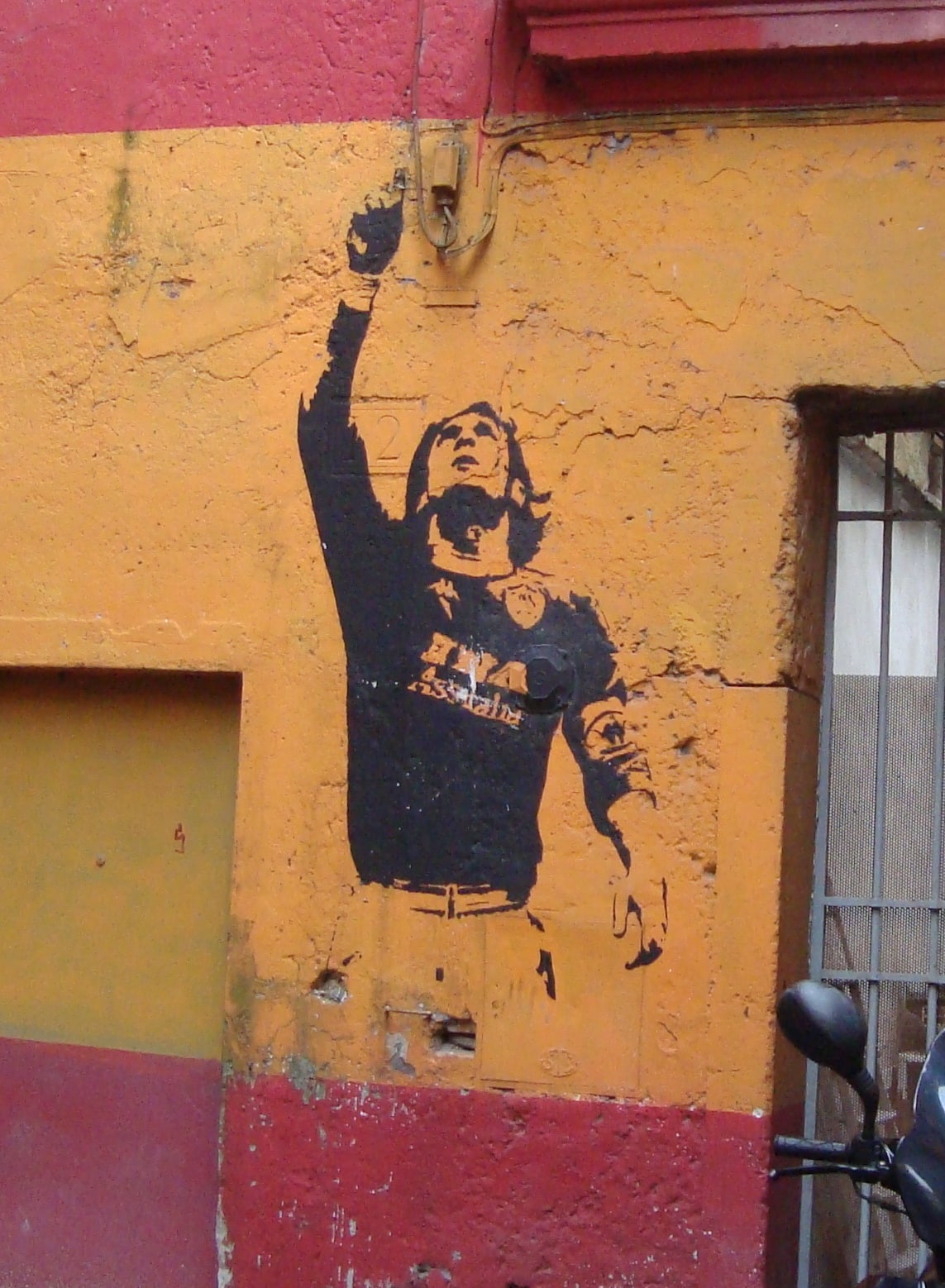
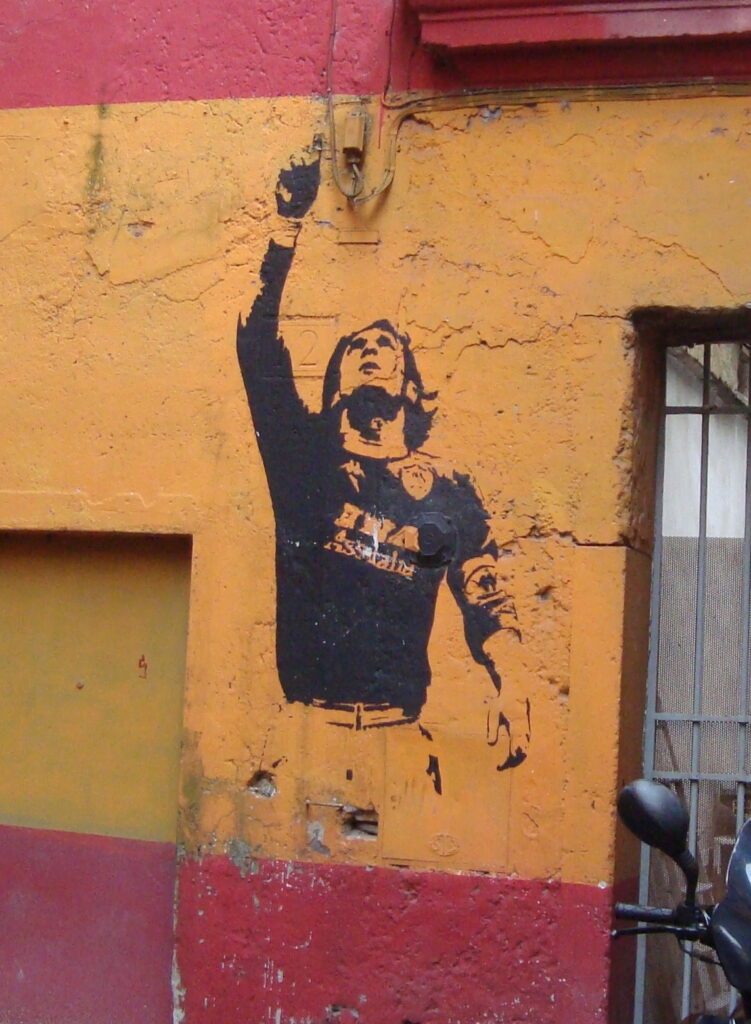
Francesco Totti played 786 games for AS Roma. He scored 307 goals. He won one Scudetto, one World Cup, and the devotion of an entire city. When he retired in 2017, the Stadio Olimpico wept. Then he got to work.
What followed is one of the more quietly impressive post-career business constructions in European sport. Totti did not follow the standard playbook — the punditry contract, the leisurely ambassadorial role, the occasional kit launch. He built a diversified commercial operation anchored in Rome, leveraging the single most valuable asset in Italian football: his name.
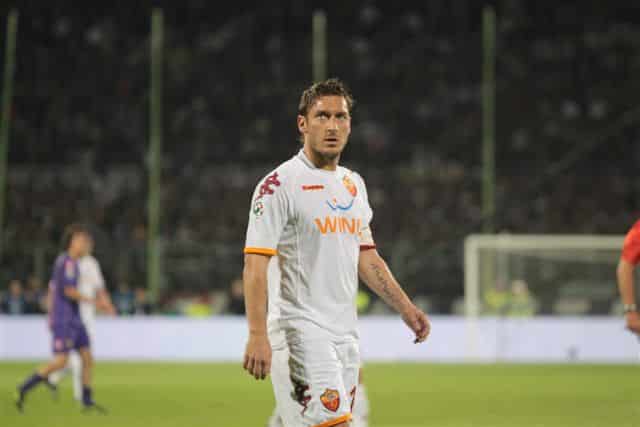
The portfolio spans property development, hospitality, media rights, talent representation, and brand licensing. It is not a vanity project. It is a business, and by most estimates it is generating serious money.
Property: The Foundation of the Roman Empire
Rome is one of Europe’s most supply-constrained luxury property markets. Demand from high-net-worth international buyers — American, Middle Eastern, Northern European — consistently outpaces available stock in the historic centre. Totti identified that dynamic early and moved decisively.
Through a series of property vehicles, Totti has invested in residential and commercial developments across Rome’s most prestigious districts. The precise structure of his holdings is not publicly disclosed, but reporting from Italian financial press points to stakes in developments around Parioli, EUR, and the Aventine Hill — neighbourhoods that attract diplomatic and corporate tenants willing to pay premium rents.
The investment logic is straightforward. Roman property in trophy locations is not correlated to the Italian economic cycle in the way that commercial real estate elsewhere might be. It is a store of value with an income yield attached. For an athlete exiting peak earnings in his late thirties, it is precisely the right asset class.
Totti’s property interests also extend to development partnerships — co-investments with established Roman developers rather than solo ventures. It is a model that limits downside exposure while preserving upside participation. Quietly sophisticated.
Hospitality: Eating Well Off the Pitch
The restaurant business kills most celebrity investors. Totti has navigated it with more discipline than most. His hospitality interests include Il Capitano — a Rome-based restaurant operation that trades heavily on his personal brand but has avoided the trap of being purely a tourist destination.
The differentiation matters. Rome’s restaurant economy bifurcates sharply between tourist-facing operations with high volume and low margins, and neighbourhood institutions with repeat local clientele and genuine culinary credibility. Totti’s operation has pursued the latter positioning, which is commercially more durable if harder to scale.
There are also whispers — confirmed in part by Italian business press — of wider hospitality investments including hotel interests tied to the broader Roman luxury tourism boom. Post-pandemic, Rome has seen a sustained recovery in high-value tourism from American and Gulf markets that has driven occupancy rates and room revenue to record levels. Anyone with hotel exposure in central Rome in the past three years has done well.Media Rights: The Image Economy of an Italian Icon
Totti’s name and likeness are among the most commercially potent in Italian sport. The challenge for any retired athlete is monetising that brand without degrading it. Totti has managed the balance with unusual care.
His media strategy has been selective. The 2020 Amazon Prime documentary My name is Francesco Totti — directed by Alex Infascelli — reached an international audience and reframed his story for a streaming generation unfamiliar with his playing career. It was not a vanity film. It was a rights transaction, and it positioned him for further international commercial engagement.
That documentary triggered a wave of licensing and partnership conversations that continue today. Totti’s image rights are managed through dedicated vehicles that allow him to monetise selectively — campaigns for luxury goods, automotive partnerships, and sporting goods deals — without the saturation that undermines long-term brand value.
“In Italy, there are perhaps three or four athletes whose name alone opens rooms. Totti is one of them.”
That observation, from a Milan-based sports marketing executive, captures the scarcity value at play. Italian sport does not produce global crossover icons with frequency. When it does, the commercial opportunity is significant and durable.
Talent Representation: Building a Football Pipeline
 Less reported but potentially most significant is Totti’s involvement in talent identification and representation. Totti Soccer School — operating across multiple Italian cities — is the visible face of this. But the operation extends into player management, where relationships built over a 25-year playing career become the infrastructure for commercial activity.
The sports agency business in Italy is opaque but lucrative. Transfer commissions on Serie A deals — typically two to three per cent of transfer fees on both the buy and sell side — add up quickly in a market where mid-tier players move for tens of millions. An agent with Totti’s network, operating across Roma’s academy pipeline and the wider Italian football ecosystem, is not starting from zero.
The soccer school model also generates its own revenue stream — franchising, coaching fees, merchandise — while serving a strategic function as a talent identification pipeline. It is the kind of long-horizon investment that does not show up immediately on a balance sheet but compounds over time.
The Roma Split: A Strategic Liberation
Totti’s acrimonious departure from AS Roma’s management structure in 2019 — he resigned as a club director citing marginalisation by the American ownership — was reported as a personal rupture. In commercial terms, it may have been the best thing that happened to him.
Remaining inside the club structure would have constrained his commercial freedom considerably. Conflict of interest rules, club image rights constraints, and the reputational risk of being associated with Roma’s chaotic ownership transitions would all have limited what he could build independently. Outside the club, he controls his own positioning entirely.
The separation also clarified his relationship with the city. Totti is not a Roma asset. He is a Roman institution — a distinction that matters enormously for brand licensing across categories where the club’s ownership complications are irrelevant. He belongs to the city, and the city, for commercial purposes, is a far more stable counterparty than a club cycling through American private equity structures.
The Quiet Wealth Principle: Why Discretion Is the Strategy
What distinguishes Totti’s post-career operation from the more visible celebrity business plays is discretion. He does not court the financial press. His corporate structures are not designed for profile. The wealth accumulation is real but the communication of it is minimal — a disposition that reflects both Roman cultural norms and a shrewd understanding that overexposure dilutes brand value.
Italian football has produced flamboyant post-career wealth in the past. It has produced more spectacular failures — athletes whose commercial instincts did not match their sporting ones. Totti sits in a third category: the disciplined builder, diversified across asset classes, protected by a name that retains genuine cultural weight two decades into the social media era.
The numbers are not public. But the structure is visible, the strategy is coherent, and the asset base is appreciating. For a man who never played anywhere but Rome, he has built something with considerable range.
The career was remarkable. The business is more interesting.
Related Reads:
The post The Quiet Billionaire: How Francesco Totti Turned a Football Career Into a Roman Empire appeared first on European Business Magazine.