
























The Iran War Is Now Driving Every Major Market — Here’s What Happened This Week

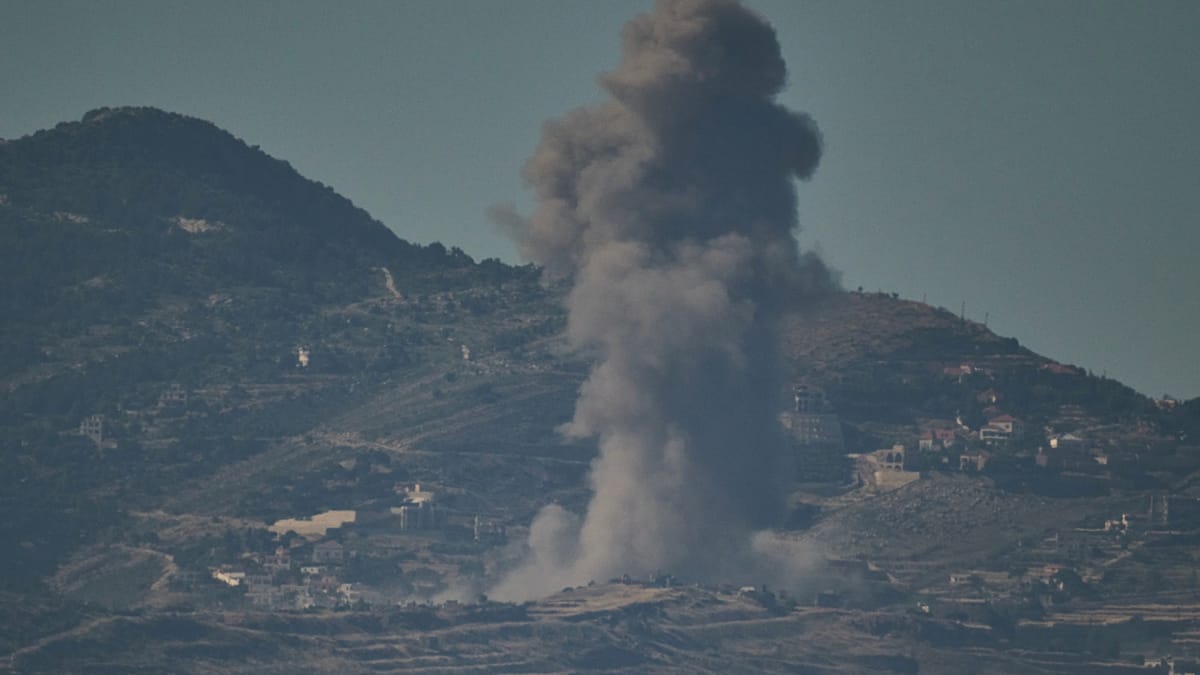
Quick Answer: Global markets had a volatile week as the Iran conflict dominated investor sentiment across the US, Europe and Asia. Large-cap US indices fell for a fifth consecutive week, European growth forecasts were cut, and Asian markets grappled with surging energy import costs. With oil up 60% in a month and stagflation risks rising, policymakers on every continent are reassessing their positions.
US Markets: Small Caps Break the Losing Streak But Big Tech Stays Under Pressure
US financial markets endured another turbulent week, with investor sentiment driven almost entirely by geopolitical developments rather than domestic economic data. Early optimism around a potential easing of Middle East tensions briefly lifted equities, but confidence faded as uncertainty persisted through the week.
Major large-cap indices — the S&P 500, Nasdaq Composite and Dow Jones — declined for a fifth consecutive week, while smaller-cap benchmarks including the S&P MidCap 400 and Russell 2000 posted modest gains, snapping a four-week losing streak. Value stocks continued to outperform growth, reflecting the cautious investor posture that has defined markets since the Iran conflict entered its fifth week with oil at $116.
Economic data added to the unease. The S&P Global Composite PMI fell to an 11-month low, signalling slower growth particularly in the services sector. Inflationary pressures intensified simultaneously, with businesses reporting higher input costs driven by rising energy prices and supply disruptions — costs that are increasingly being passed through to consumers. Labour market data remained relatively resilient, with jobless claims showing only a marginal increase and continuing claims declining. But consumer sentiment weakened notably, with falling confidence in both near-term economic conditions and personal financial outlooks, and inflation expectations rising sharply among households.
In fixed income markets, Treasury yields fluctuated before ending largely unchanged. Investors are increasingly factoring in the possibility of further Federal Reserve rate hikes driven by oil-linked inflation risks — a dynamic that, combined with weaker growth signals, is strengthening the case for the stagflation scenario that EBM has been tracking since the conflict began.
European Markets: Growth Forecasts Cut as Energy Costs Bite
European markets edged modestly higher overall, though sentiment remained cautious as the geopolitical overhang continued to weigh on growth expectations. The pan-European STOXX Europe 600 gained slightly, but performance across major national indices was mixed.
The ECB signalled a flexible policy stance, with President Christine Lagarde indicating readiness to adjust rates if inflationary pressures persist, while warning against excessive optimism. Rising energy costs remain the central concern for European policymakers — a concern that is increasingly backed by hard data. In Germany, business confidence fell to its lowest level in over a year. Across the broader eurozone, the Composite PMI pointed to near-stagnation, with new orders declining for the first time in several months and supply chain disruptions intensifying.
The OECD cut its European growth forecasts, citing higher costs and weaker demand directly linked to the Middle East conflict. UK inflation held steady in the latest reading, but that data does not yet capture the full impact of rising oil and gas prices — meaning the worst of the inflationary impulse is still working its way through. As the oil shock moves from theoretical to real across European industry, the window for the ECB to cut rates is narrowing fast.
Asia: Energy Dependency Weighs on Japan and China
Asian markets delivered mixed results as the region grappled with the consequences of its heavy energy import dependency. Japan’s equity markets moved modestly, but the broader picture was one of growing concern. As a major oil importer, Japan faces compounding risks from higher energy prices — squeezing corporate profitability, pressuring consumer spending and complicating the Bank of Japan’s gradual path toward monetary normalisation. Bond yields rose, reflecting both global trends and shifting rate expectations. The yen weakened against the dollar, raising intervention speculation.
The Japanese government responded by releasing strategic oil reserves to stabilise domestic supply, while emphasising the importance of wage growth in sustaining the inflation trajectory that policymakers have been carefully managing for two years.
In China, equity markets declined as investors assessed the impact of higher oil prices on transportation and manufacturing-heavy industries. Beijing intervened to limit domestic fuel price increases, aiming to protect businesses and consumers from the full transmission of the global energy shock. Trade tensions with the United States resurfaced ahead of a planned leadership summit, with new investigations into trade practices adding a further layer of uncertainty. Despite this, Chinese authorities signalled a willingness to adopt a more balanced trade approach through increased imports and broader foreign investment access. China’s industrial profit growth in early 2026 had shown genuine momentum — the question now is whether that momentum can survive sustained energy price pressure and geopolitical friction simultaneously.
What to Watch
Global markets are likely to remain hostage to geopolitical developments and oil price movements in the weeks ahead. The April 6 deadline — Trump’s ultimatum to Iran — is the single most important near-term catalyst for both energy markets and broader risk sentiment. Whether central banks in the US, Europe and Asia can navigate simultaneously rising inflation and slowing growth without triggering deeper contractions is the defining policy question of the quarter. As the IEA has warned, the energy disruption from the Iran conflict is already the largest in the history of global oil markets — and markets have not yet fully priced the scenario in which it runs through the summer.
The post The Iran War Is Now Driving Every Major Market — Here’s What Happened This Week appeared first on European Business & Finance Magazine.