























The Gulf’s $10 Billion Bond Scramble Is the Most Honest Accounting Yet of What the Iran War Actually Cost
Brief Analysis
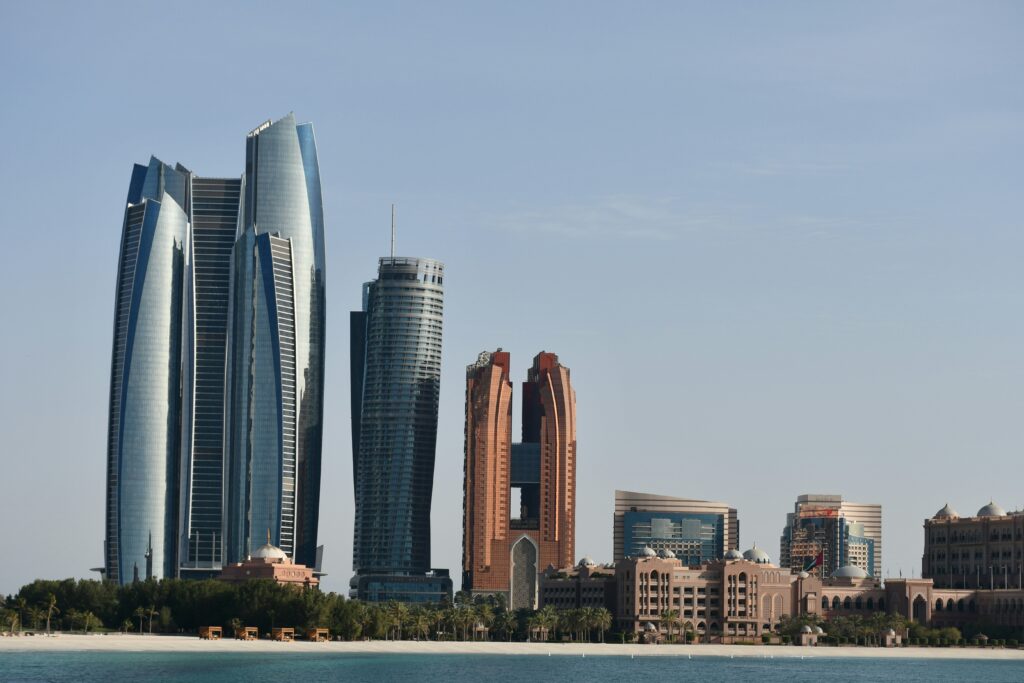
As of April 2026, Abu Dhabi, Qatar and Kuwait have discreetly raised nearly $10 billion through private placements of US dollar bonds — their first international borrowing since the Iran war delivered a devastating blow to Gulf economies, with Abu Dhabi accounting for $4.5bn, Qatar $3bn, and Kuwait $2bn. The decision to bypass public markets, where these sovereigns typically raised debt before the conflict, signals that borrowing costs in open markets remain too uncertain to risk — a detail that reveals more about Gulf economic fragility post-war than any official statement has. The ceasefire may have paused the fighting, but the bill is only now becoming clear.
EBM Exclusive Take
The choice of private placements over public bond markets is the detail that matters most here. Gulf sovereigns have for years commanded some of the tightest spreads in emerging market debt — their public issuances were oversubscribed, their credit stories unimpeachable. That Abu Dhabi, Qatar and Kuwait are now moving quietly, through arranged deals rather than open order books, tells European institutional investors everything they need to know about how badly the Strait of Hormuz closure and Iranian strike damage has shaken these economies. This is not routine financing. It is emergency capital-raising dressed in the language of discretion — and the $10 billion figure almost certainly understates the full fiscal damage these states are absorbing.
The Scale of the Borrowing
The figures are striking in both their size and their speed. Abu Dhabi sold $4.5 billion in US dollar bonds since the start of April, with Bloomberg reporting that Standard Chartered arranged at least $2.5 billion of those transactions across two bond reopenings within 48 hours. Qatar followed with $3 billion and Kuwait with $2 billion — all structured as private placements to selected institutional buyers rather than broadly marketed public deals.
Private placements allow issuers to move fast and avoid the price discovery process of a public roadshow, where investor feedback can expose weakness in demand or force pricing concessions. For sovereigns accustomed to being price-setters in global debt markets, the shift is significant.
What the War Destroyed
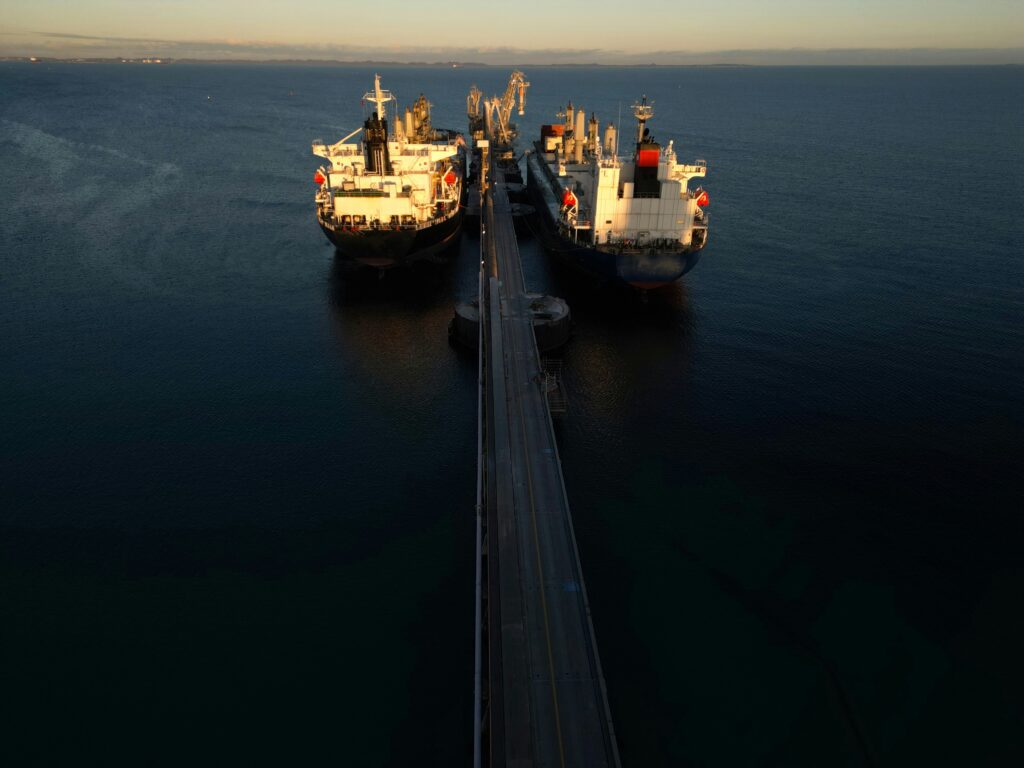
The Iran war’s economic toll on Gulf states has been severe and multifaceted. The near-complete closure of the Strait of Hormuz — through which approximately one-fifth of the world’s oil and gas supplies normally transit — stripped Gulf producers of export revenues at precisely the moment their defence and reconstruction costs were rising sharply.
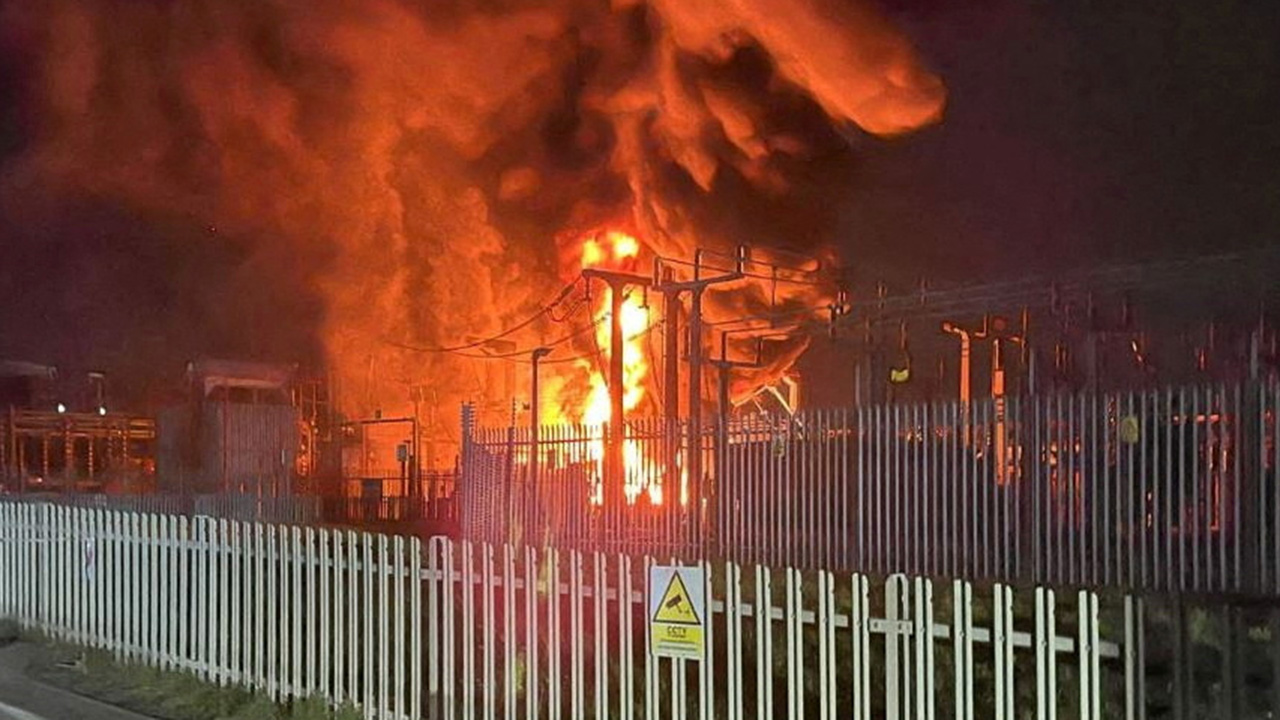
Qatar declared force majeure after a drone strike on its main LNG facility suspended production entirely. Saudi Arabia’s largest oil refinery was hit. Iranian strikes targeted ports, airports, power infrastructure and desalination facilities across all six Gulf Cooperation Council states. Abu Dhabi’s Zayed port sustained damage as early as March 1, 2026.
The result: collapsing hydrocarbon revenues, surging defence budgets, and a regional economy that entered April 2026 with a fiscal hole of a magnitude Gulf finance ministries are still calculating.
The Ceasefire Window
The timing of the bond sales is deliberate. Gulf governments are using the US-Iran ceasefire — however fragile — as a narrow window to access international capital markets before any resumption of hostilities closes that window again. The ceasefire has not resolved the core disputes over Hormuz reopening or Iranian reparations, and UAE officials have publicly demanded clarification on Iran’s commitment to full and unconditional reopening of the strait.
European investors absorbing these bonds are therefore pricing in residual geopolitical risk — which explains why the Gulf states needed to move privately rather than at scale through public markets, where that risk premium would be more visibly and painfully expressed in the final yield.
The Sovereign Wealth Fund Question
Beyond the bond markets, a deeper question is forming around Gulf sovereign wealth funds. Saudi Arabia, the UAE and Qatar collectively manage trillions in overseas assets, and there are early indications that internal reviews are underway to assess whether overseas investment commitments can be slowed or restructured to redirect capital toward domestic recovery.
If Gulf SWFs begin pulling back from European infrastructure, real estate and private equity — even partially — the ripple effects for European capital markets will be material.
Related Analysis
- Strait of Hormuz Crisis: What the Oil Shipping Shutdown Means for Europe
- Iran-US Ceasefire: What the Deal Means for Energy Markets
- North Sea Oil Prices Hit Record Highs Amid Iran War Disruption
The post The Gulf’s $10 Billion Bond Scramble Is the Most Honest Accounting Yet of What the Iran War Actually Cost appeared first on European Business Magazine.