
























Why Silver’s Retreat Could Be Setting Up Its Next Breakout
EBM Newsdesk Analysis
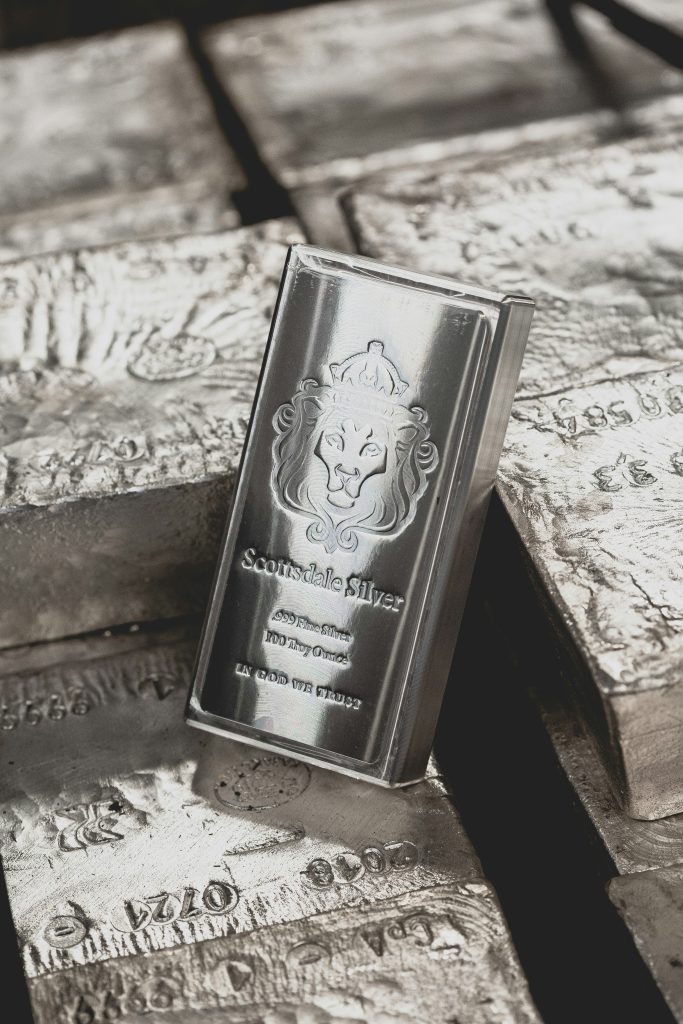
Silver has stalled just below the $79 threshold, retreating modestly after a powerful rally and leaving investors asking whether the white metal’s run is finally fading. The answer leans toward cautious optimism: the forces that drove silver higher have not disappeared, but they have grown more tangled. The metal sits in an uneasy equilibrium, holding above $77 support while failing to break $79 resistance — a standoff between three competing pressures that will decide its next move.
What makes this moment different from earlier in silver’s run is that fear is no longer the only driver. The metal is now caught between geopolitical de-escalation, a Federal Reserve in no hurry to cut, and a structural surge in industrial demand. Those three forces pull in different directions, which is why the price has gone sideways rather than decisively up or down — and why calling the top now is premature.
Geopolitics: the fading safe-haven bid
The first force is the Middle East, and it currently argues for a pause. Markets have welcomed reports of progress toward an extended US-Iran ceasefire and the gradual reopening of the Strait of Hormuz, brokered via a one-page memorandum. Every step toward de-escalation chips away at silver’s safe-haven premium — the fear bid that carried it through the conflict.
But the picture is far from settled, with conflicting signals out of both Washington and Tehran. Temporary political progress may slow the pace of gains in precious metals; it is unlikely to trigger a major reversal. Investors remember that the region can reignite demand for safe-haven assets within hours, so few are willing to abandon their silver positions on the strength of a truce that has already proved fragile.
The Fed: the heaviest weight
The most powerful influence is US monetary policy, and here the picture has darkened for silver bulls. Markets had expected a clearer move toward easing, but Fed officials — Christopher Waller among them — have signalled little enthusiasm for rapid rate cuts. With the Iran-driven energy shock feeding inflation, rate cuts that markets once counted on have been pushed out, and some traders now see rates held through the year.
That is psychological pressure on silver. Elevated rates strengthen the dollar and lift the appeal of yield-bearing assets, dimming the case for a metal that pays no income. Yet this alone is unlikely to break the uptrend. The market increasingly believes the tightening cycle is near its end, even if the first cut is delayed — so the Fed is a brake on silver, not a wrecking ball.
The industrial floor beneath the price
The third force is the one that changes the entire analysis: silver is no longer just a safe haven. It has become a strategic industrial metal, bound tightly to solar panels and electric vehicles. That gives it a demand base gold simply does not have — and a hard floor beneath the price.
The numbers are stark. The Silver Institute projects a 46.3 million ounce supply deficit in 2026, roughly 15% larger than the prior year’s shortfall. A structural deficit driven by clean-energy and technology demand means every meaningful pullback tends to attract medium- and long-term buyers, not sellers. This is why the current dip reads as a healthy correction within a broader uptrend rather than the start of a bear phase.
Where the risk really lies
A constructive outlook is not the same as ignoring the downside. The bearish scenario is specific: if Washington and Tehran reach a genuinely stable agreement that meaningfully cools regional tension, while the Fed stays hawkish and strong US data keeps the dollar firm, silver could face broader corrective pressure and retest lower support. That would be a sharper pullback — but, absent a wholesale shift in global monetary expectations, not a change in the long-term story.
The verdict, then, is that silver retains upward momentum, but in a more cautious, selective and headline-sensitive form than in previous months. The market is no longer driven purely by fear; it now rests on a delicate balance of geopolitical optimism, rate expectations and industrial demand. As long as global risks persist and Fed uncertainty lingers, limited pullbacks are more likely to present opportunities than to signal the end. The rally has not run out of road — it has simply reached the harder, slower stretch.
Related Analysis
- Wall Street’s index plumbing bends to the trillion-dollar IPO
- Iran attacks US warship at the Hormuz oil chokepoint
- Oil at $84, tariffs at 15%: the triple shock hitting markets
The post Why Silver’s Retreat Could Be Setting Up Its Next Breakout appeared first on European Business Magazine.