





























Temu Appeared From Nowhere in 2022. It Has Already Broken Retail. Here Is Who Is Behind It.
Brief Analysis
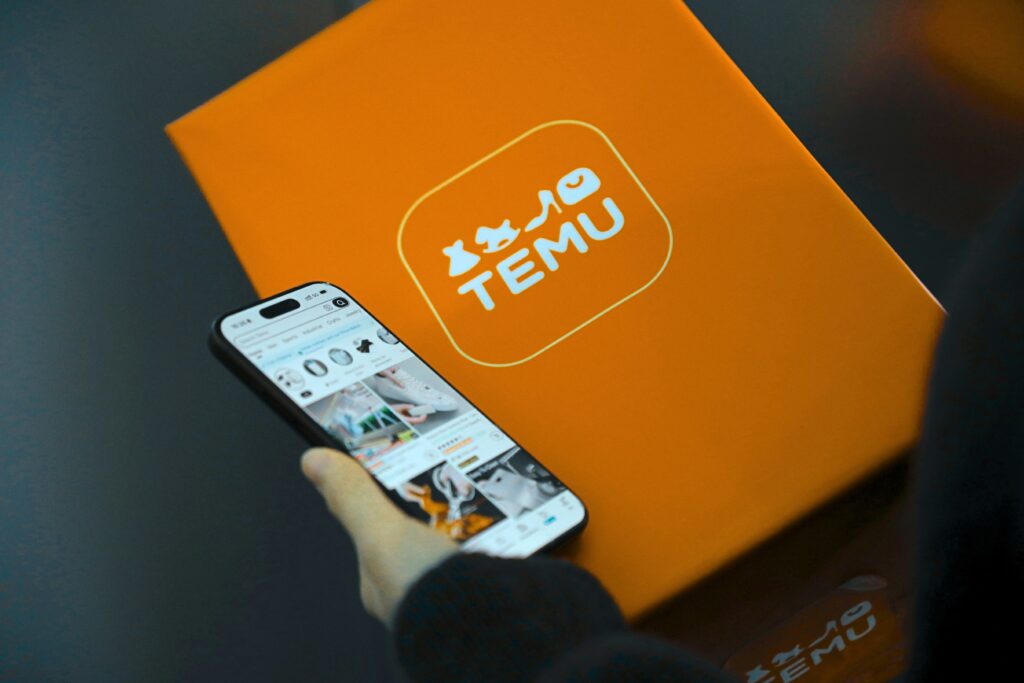
Temu launched in September 2022. By the end of 2023 it had been downloaded more than 250 million times and was the most downloaded shopping app in 15 countries simultaneously — including the US, UK, Germany, Japan and Brazil. Its parent company, PDD Holdings, reported total revenue of $54 billion in fiscal 2024, a 59% increase on the prior year, with net income of $15.4 billion. The company behind the $1.99 phone cases and the Super Bowl ads is not a scrappy startup — it is one of the most sophisticated and capitalised technology companies on the planet, deploying a strategy that dismantled Western retail’s cost assumptions and exploited regulatory gaps that took governments three years to close. How it did that — and what happens now those gaps are closing — is one of the most consequential business case studies of the decade.
EBM Exclusive Take
European policymakers and retail executives spent two years treating Temu as a novelty. The EU’s January 2026 raid on Temu’s Dublin headquarters — investigating illegal Chinese state subsidies — signals that the continent has belatedly grasped what it is actually dealing with. Temu is not a discount retailer. It is a factory-to-consumer logistics and technology platform backed by one of China’s largest technology conglomerates, deploying a loss-leader growth strategy underwritten by a domestic profit engine generating $15 billion in net income annually. The structural threat to European retail — already weakened by post-pandemic cost pressures and elevated energy prices — is not the cheap products. It is the business model. And Europe is only just starting to understand the difference.
Who Is Behind Temu
Temu is owned by PDD Holdings, a Chinese technology company incorporated in Ireland and listed on the NASDAQ. PDD was founded in 2015 by Colin Huang, a former Google engineer who studied at the University of Wisconsin before returning to China to build what became China’s third-largest e-commerce platform behind Alibaba and JD.com.
PDD’s domestic platform — Pinduoduo — pioneered a model of social group buying in China, allowing consumers to unlock lower prices by recruiting friends to buy the same product simultaneously. The model proved extraordinarily successful in rural China, where price sensitivity is extreme and social networks are tight. By 2021 Pinduoduo had over 800 million active users. The profits from that domestic business funded everything that came next.
Temu launched internationally in September 2022, initially in the US. The name reportedly derives from “Team Up, Price Down” — a direct reference to Pinduoduo’s group-buying origins. Within three months it was the most downloaded app in the US. Within eighteen months it was the most downloaded shopping app on the planet.
The Business Model
 Temu’s model is deceptively simple and structurally radical. Rather than buying inventory and reselling it — the Amazon model — Temu connects consumers directly to Chinese factories, eliminating every middleman in the chain. The company negotiates prices with manufacturers, sets retail prices, handles all marketing and logistics, and takes a commission on each transaction. Factories get volume and market access. Consumers get prices that domestic retailers structurally cannot match.
The average Temu order value is approximately $25. At that price point, competing on cost is impossible for any retailer paying Western wages, Western rents and Western import duties. Temu was not competing on the same terms — it was operating under an entirely different cost structure made possible by one critical regulatory advantage.
The De Minimis Loophole
The de minimis exemption in US trade law allowed any package valued under $800 to enter the United States completely duty-free. Originally designed for tourists bringing home souvenirs, it became the structural foundation of Temu’s US growth strategy. Since almost every Temu order fell below the $800 threshold and was shipped directly from Chinese factories to US consumers, Temu paid effectively zero import duties. Walmart, importing goods from the same Chinese factories by cargo ship, paid tariffs on everything. The competitive distortion was enormous and deliberate — and it gave Temu a structural cost advantage that no domestic Western retailer could overcome regardless of operational efficiency.
By 2023 the US was processing nearly 4 million de minimis packages per day. Temu and Shein together accounted for more than 30% of all de minimis imports into the US in 2022.
The Marketing Blitz
Temu’s growth was not organic. It was purchased — at extraordinary scale. In February 2024 Temu ran three 30-second Super Bowl ads as part of a $3 billion marketing push for the year. “Shop Like a Billionaire” became one of the most recognised advertising slogans of the year. Temu outspent all advertisers except Amazon on Facebook in Q4 2023, growing its Instagram ad spend 101% year on year in the same period.
The strategy was to buy brand recognition in new markets at any cost, building a user base large enough to eventually sustain itself through repeat purchases and marketplace fees. The losses were underwritten by Pinduoduo’s domestic Chinese profits — the same model Liberty Media used to fund Formula 1’s transformation before the sport became self-sustaining. Spend aggressively until the flywheel turns. Then harvest.
The Regulatory Reckoning
The model is now under sustained assault. The US ended the de minimis exemption for Chinese goods in 2025, immediately raising Temu’s landed costs. According to analysis by EcomCrew, on April 9 2025 Temu ceased all Google Shopping ads in the United States. By April 12 its impression share had dropped from approximately 20% to zero. Daily Google ad placements fell from 30,000 to just 14. Its App Store ranking dropped from third to 58th in three days.
In Europe the picture is equally turbulent. In July 2025 the European Commission found Temu in preliminary breach of the Digital Services Act. Consumer testing found that 95% of toys purchased on Temu violated EU safety regulations. In January 2026 the EU raided Temu’s Dublin headquarters investigating illegal Chinese state subsidies. Turkey raided its Istanbul office. Poland fined it for fake discount advertising.
The retail casualties are real. Forever 21 filed for bankruptcy in March 2025 explicitly naming Temu and Shein as the cause — stating it had been materially and negatively impacted by their use of the de minimis exemption. All 354 US stores closed by April 30. It was the most visible casualty of a structural shift that European retailers and policymakers are still scrambling to address.
What Comes Next
In Q2 2025 PDD Holdings reported revenue growth of 7% year on year while net income fell 4% — attributed to strategic investments amid competitive pressures and tariffs. The era of loss-leader hypergrowth is ending. The era of regulatory attrition is beginning.
Temu is adapting — building local warehouses in the US and EU, recruiting non-Chinese sellers to reduce tariff exposure, adjusting its logistics model. The underlying business — 167 million monthly active users and a parent company generating $15 billion in annual net income — is not going away. It is recalibrating. The European businesses most exposed are those that assumed the regulatory window powering Temu’s growth would stay open. It has not. But the competitive damage done in the three years it was open will take a decade to fully assess.
Related Analysis
- The EU Just Decided European Companies Are Too Small. Here’s What Happens Next.
- OnlyFans Makes $684 Million a Year. It Took Years to Find a Buyer.
- Left for Dead to $3.65 Billion — The Business Behind Formula 1
The post Temu Appeared From Nowhere in 2022. It Has Already Broken Retail. Here Is Who Is Behind It. appeared first on European Business Magazine.