



















Strike on Iran’s South Pars Sends Oil Above $108 — Markets Now Pricing a Prolonged War
Quick Answer: Strikes on South Pars — the world’s largest natural gas field — and neighbouring refineries have sent Brent crude up 4% to nearly $108 per barrel and European gas prices 5% higher to €53 per MWh. Now in its third week, the US-Israeli conflict with Iran has triggered a 90% collapse in tanker traffic through the Strait of Hormuz, suspended Dubai flights, and drawn Beirut back into active bombardment as Israel’s campaign intensifies beyond Hezbollah’s southern suburbs stronghold.
Three weeks in, the US-Israeli war with Iran has stopped surprising markets with its scale and started revealing its duration. The economic consequences are no longer a risk scenario being modelled by analysts — they are a live emergency being absorbed by governments, energy companies and businesses with Gulf exposure who are now planning not for weeks but for months.
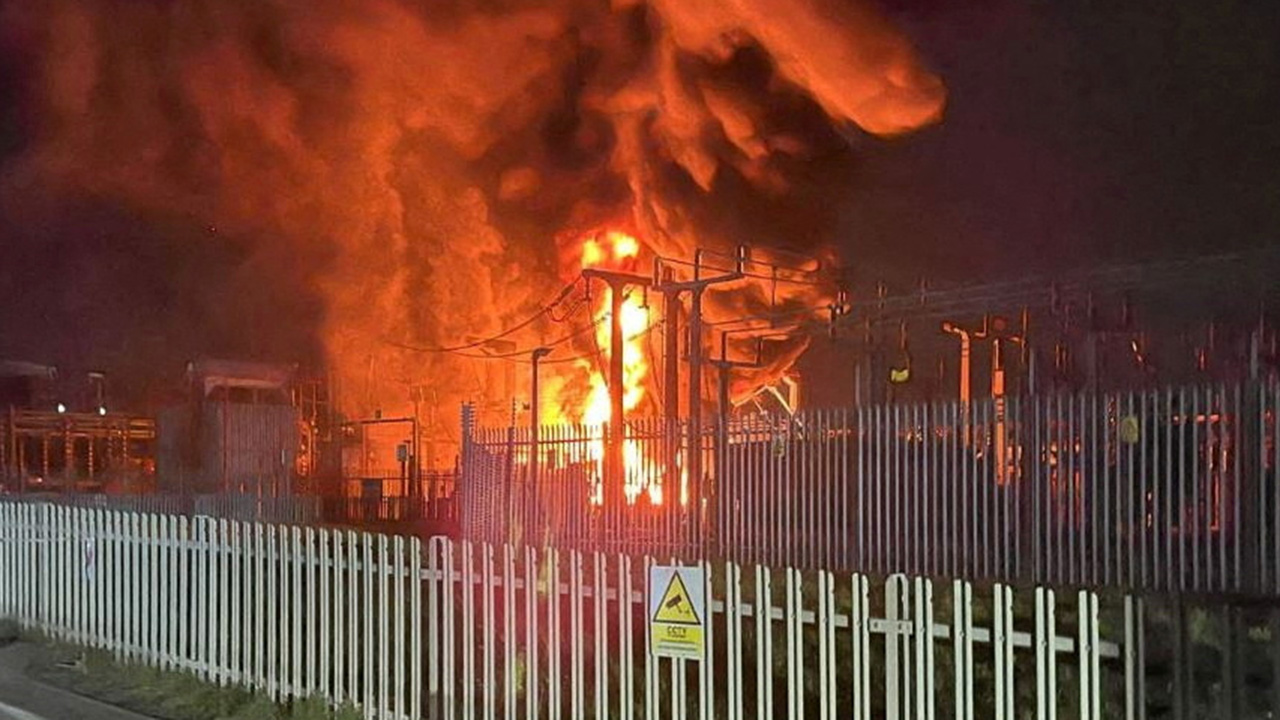
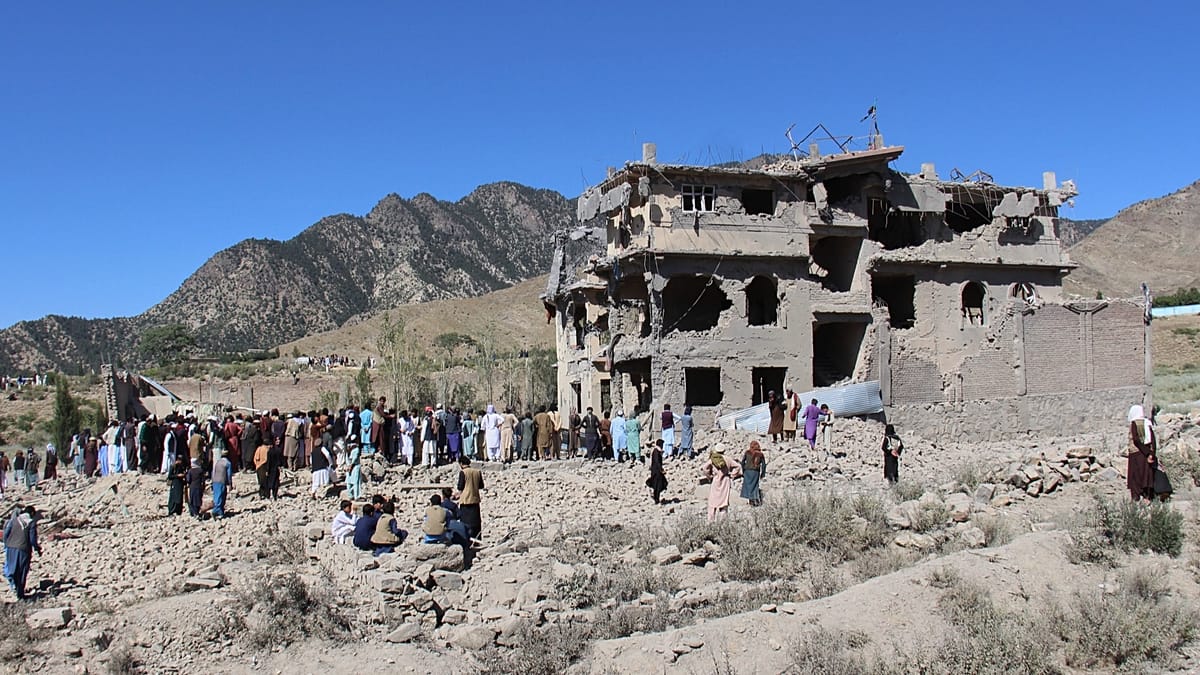
The latest escalation removes any residual doubt about the conflict’s trajectory. Iran has confirmed that South Pars — the world’s largest natural gas field, shared with Qatar and the foundation of Iran’s entire LNG export capability — has been targeted in strikes, along with neighbouring refineries. The market reaction was immediate: Brent crude surged 4% to nearly $108 per barrel and gas at the Dutch TTF benchmark jumped 5% to €53 per MWh. European wholesale energy prices, already under sustained pressure from the Hormuz closure, have now absorbed a second direct shock in the same session.
Simultaneously, powerful blasts rocked central Beirut as Israel expanded its campaign beyond Hezbollah’s traditional stronghold in the city’s southern suburbs. The geographical widening of the conflict — from Iranian nuclear and missile sites to Gulf energy infrastructure to Lebanon’s capital — signals that both sides are escalating rather than seeking an exit.
How the Crisis Has Built
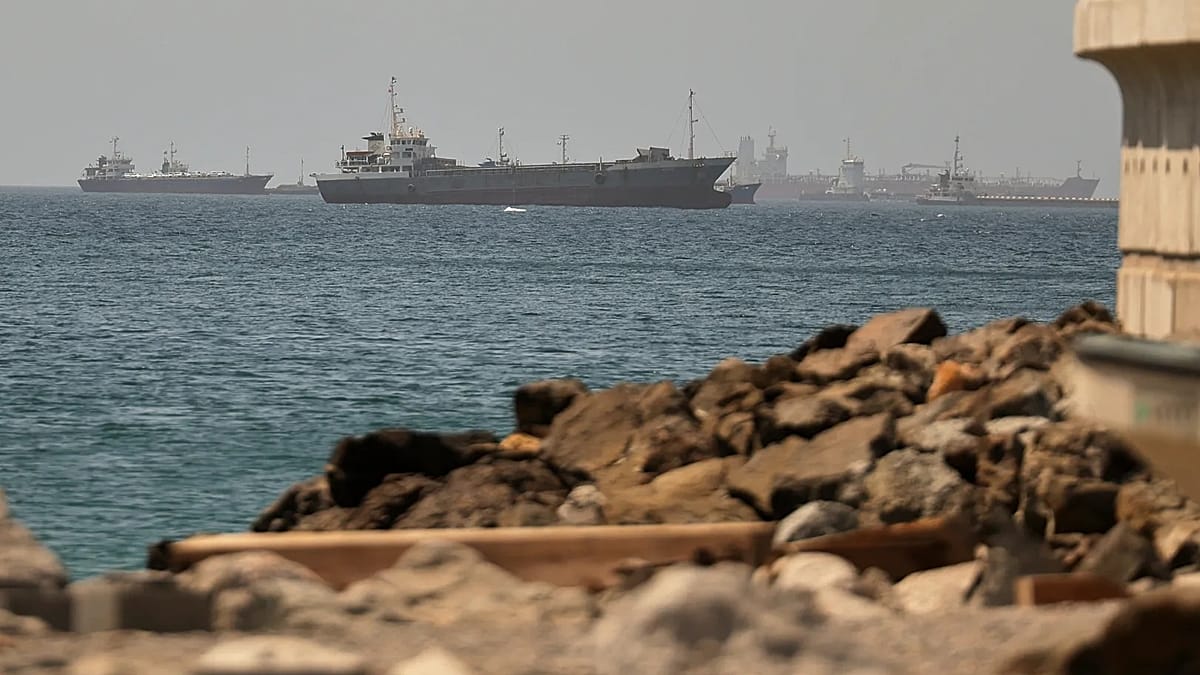
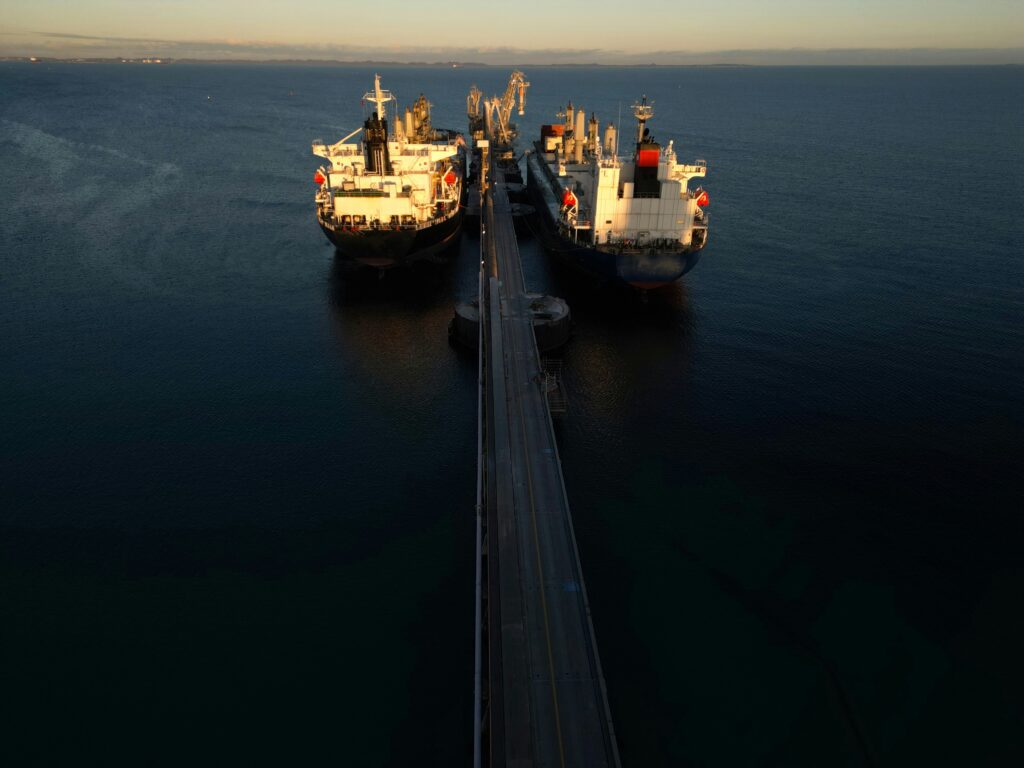
The conflict began on 28 February when US and Israeli aircraft struck Iranian missile sites and nuclear facilities in a coordinated offensive. Tehran’s response was broad and immediate — hundreds of drones and missiles directed at Gulf states including the UAE, Saudi Arabia and Qatar, and the effective closure of the Strait of Hormuz to non-allied vessels. Tanker traffic through the strait, which carries approximately 20% of the world’s oil supply, has fallen by 90%. The disruption represents one of the most severe single chokepoint supply shocks in the history of global energy markets.
The 16 March drone strike on a fuel depot near Dubai International Airport brought the conflict into one of the world’s busiest aviation hubs, forcing flight suspensions and sending thick smoke across the skyline of a city that serves as regional headquarters for hundreds of multinational firms. The disruption extended well beyond aviation into supply chains, financial flows and operational continuity planning across multiple sectors.
Now South Pars. The targeting of the world’s largest gas field — a facility whose output underpins not just Iran’s energy revenues but the LNG supply calculations of buyers from Europe to Asia — marks a qualitative escalation that energy markets had not fully priced until this morning.
What $108 Oil Means for Europe
For European energy markets already managing post-Russia supply adjustments, a second simultaneous shock arriving through a completely different geography is precisely the scenario contingency planning struggled to model. Oil at $108, TTF gas at €53, and a Hormuz closure with no resolution timeline — the arithmetic of European energy security is deteriorating in real time.
The ECB meets tomorrow against this backdrop. Its options are narrowing: an energy-driven inflation shock that is now deepening rather than stabilising argues for tighter policy, but Europe’s underlying growth trajectory cannot absorb a hawkish response without inflicting significant economic damage. That trade-off has no clean resolution.
Governments across the continent are assessing strategic reserve releases and emergency LNG procurement — but the South Pars strikes introduce a new variable. If Iranian gas processing capacity has been materially damaged, the global LNG market faces a supply reduction that no amount of strategic reserve release can substitute at scale. Europe’s exposure to that scenario is structural, not marginal.
Russia, Beirut, and the Widening Map
Moscow continues to be the conflict’s most significant unintended beneficiary. Russian crude is flowing at record export prices to buyers previously constrained by sanctions, with a US tariff waiver clearing the path. A financially strengthened Kremlin, a distracted Washington, and higher European energy costs form a combination that no European policymaker would have designed — and that none can easily reverse.
The renewed bombardment of central Beirut complicates the picture further. Israel’s decision to expand strikes beyond Hezbollah’s southern suburbs into the Lebanese capital proper signals that the conflict’s geographic footprint is widening, not contracting. European businesses with Lebanon, Gulf and broader Middle East exposure are now operating in a threat environment that has no clear boundary.
President Trump has called for allied warships to help reopen the Strait. The UK, France, Japan, Norway and Australia have all declined. The US military has intensified bombing along the Iranian coastline facing the strait, and there are hopes that passage may be restored — but with South Pars now in the target set and Iran having publicly committed to a long war, the expectation of rapid resolution is becoming harder to sustain.
The conflict is 18 days old. The damage to global energy infrastructure is still accelerating. The off-ramp is not yet visible.
The post Strike on Iran’s South Pars Sends Oil Above $108 — Markets Now Pricing a Prolonged War appeared first on European Business & Finance Magazine.