

























Stocks and Bonds Tumbling- The Iran War Has Just Become an Economic Meltdown
Quick Answer: US and European stocks fell sharply on Thursday as government bond yields rose simultaneously — the classic double-pressure of a systemic energy shock rather than a routine market correction. Iranian missile strikes on Qatar’s Ras Laffan LNG complex, which produces around 20% of global LNG supply, have forced investors to price in a prolonged energy disruption with no clear resolution timeline.
When stocks and bonds sell off at the same time, something structural is happening.
Normal market corrections involve rotation — money leaving equities and moving into the relative safety of government debt. What happened in US and European trading on Thursday was different. Equities fell. Bond yields rose. Energy prices surged. All three moved against investors simultaneously — the textbook fingerprint of an inflationary supply shock that markets have no clean way to price around.
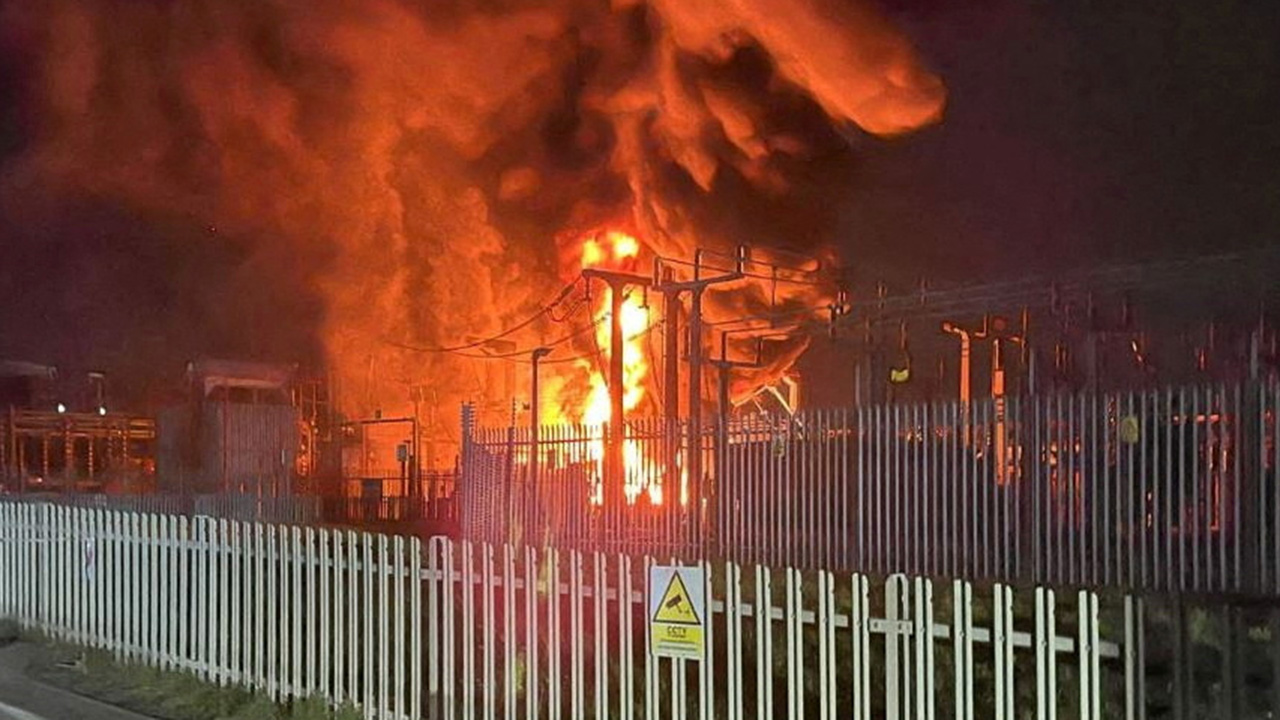
The trigger was the Iranian missile strike on Ras Laffan Industrial City, Qatar’s vast LNG export complex and the facility responsible for approximately 20% of global LNG supply. QatarEnergy confirmed extensive damage to multiple facilities, with sizeable fires still burning as London markets opened. Brent crude rose to $116 per barrel in early trading. European gas benchmark TTF surged 30% — its largest single-session move since the early weeks of the Ukraine war. The Stoxx Europe 600 fell 1.1%.
Why “Protracted” Is the Word That Matters
Markets had been absorbing the Iran-US conflict with a degree of resilience built on one core assumption: that the energy disruption was temporary. Hormuz was partly closed, Ras Laffan had been hit by earlier drone strikes, but the damage was containable and the timeline to recovery was weeks, not months. That assumption died on Thursday.
Analysts now estimate a minimum four-week outage at Ras Laffan under the most optimistic damage scenario — two weeks to clear and assess, two weeks to return to full production. That timeline assumes no further strikes. Given that Iran has now hit the facility twice, and that Qatar expelled Iran’s military and security attachés within 24 hours of the latest attack, the diplomatic conditions for a de-escalation that would protect the complex are not in place.
A protracted shock changes the calculus for every major market participant. Equity valuations built on stable input costs need to be revised. Corporate earnings guidance issued before the conflict is now largely meaningless for energy-intensive sectors. European industrial companies — already navigating weak demand and elevated borrowing costs — now face a third pressure that was not in any model at the start of the year.
The Central Bank Trap
The simultaneous fall in stocks and bonds is particularly significant for the ECB and the Federal Reserve because it removes the policy options that would normally be available. In a standard downturn, central banks cut rates to stimulate demand and support asset prices. In a standard inflation shock, they raise rates to cool price pressures. An energy-driven stagflation scenario — slower growth, higher prices — offers neither route cleanly.
The Fed’s most recent dot plot already signalled caution on further cuts. The ECB was edging toward a more accommodative stance before the conflict escalated. Both institutions now face incoming inflation data that will be materially distorted by energy prices — and neither can confidently distinguish between a temporary spike and a structural repricing.
Europe’s Particular Exposure
Since the destruction of the Nord Stream pipelines and the subsequent restructuring of European gas supply around LNG imports, the continent has become acutely sensitive to Qatari supply disruptions. Qatar accounts for 93% of all LNG moving through the Strait of Hormuz, and unlike Saudi Arabia — which can redirect crude overland to Red Sea terminals — Qatar has no alternative export route. Qatari gas either moves through Hormuz or it does not move.
European storage levels entering spring are adequate but not generous. A four-to-six week disruption at current demand levels is manageable. A disruption running into summer replenishment season is a materially different problem — one that would arrive precisely when utilities are trying to rebuild storage ahead of next winter.
What Markets Are Really Pricing
Thursday’s trading was not markets panicking. It was markets recalibrating. The sell-off in bonds reflects investors demanding a higher risk premium for holding debt in an environment where inflation could re-accelerate. The sell-off in equities reflects earnings downgrades being pulled forward. The surge in energy prices reflects the removal of the recovery assumption that had kept a ceiling on gas and oil.
The Russia sanctions windfall continues to strengthen Moscow’s fiscal position as the conflict drives up the global oil price. The Orbán blockade on Ukraine aid adds a second layer of European political risk. And the diplomatic architecture that could end the Iran conflict — ceasefire terms, verified nuclear rollback, security guarantees for Gulf states — does not yet exist in any meaningful form.
Markets are pricing a protracted energy shock because that is what the evidence supports. The question is whether policymakers, diplomats and military planners can shorten the duration. Nothing on Thursday suggested they could.
The post Stocks and Bonds Tumbling- The Iran War Has Just Become an Economic Meltdown appeared first on European Business & Finance Magazine.