




















Silver Is Cheap, Industrial and Underowned — That Combination Rarely Lasts
Quick Answer: Silver is at a pivotal inflection point — trading near $75 an ounce with industrial demand accelerating, rate cut expectations returning after the Iran ceasefire, and the dollar weakening. Unlike gold, silver has a dual identity: precious metal and critical industrial input. Solar panel manufacturing, electronics and clean energy infrastructure all require it at scale. The convergence of monetary easing, dollar weakness and structural industrial demand could make silver one of the standout performing assets of 2026 — if the macroeconomic conditions align.
EBM Analysis: The Case for Silver Goes Beyond the Safe-Haven Story
Most investors think of silver the way they think of gold — a hedge, a safe haven, something you buy when the world feels unstable. That framing misses the more interesting story. Silver is simultaneously a precious metal and an indispensable industrial input, and it is the industrial dimension that makes the current setup genuinely compelling.
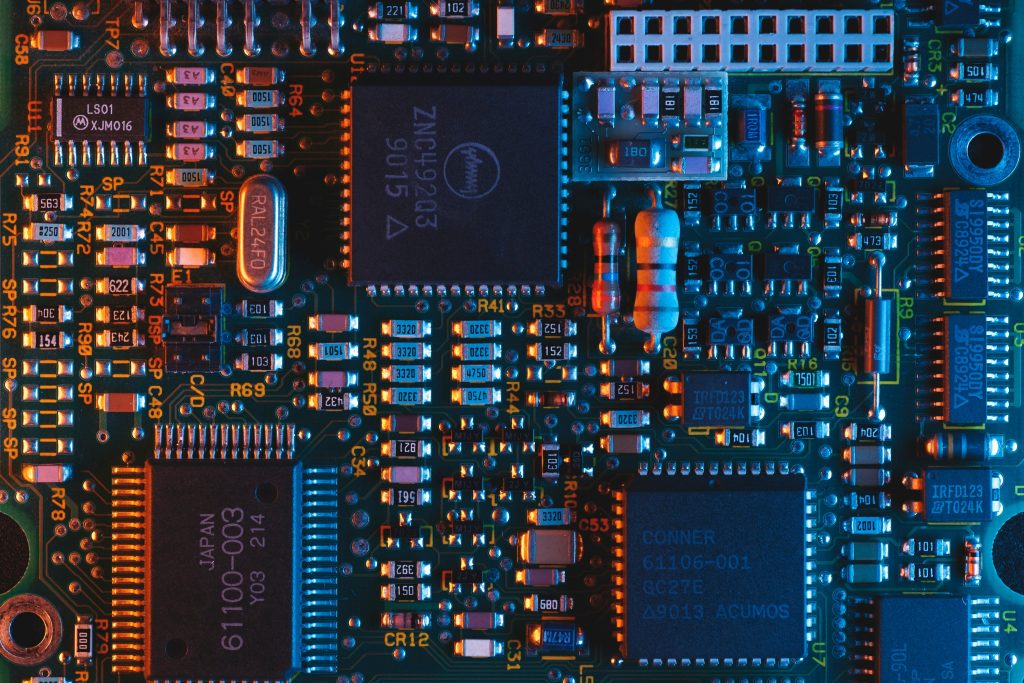
Solar panels require silver. Every photovoltaic cell uses silver paste as a conductor, and as the global renewable energy build-out accelerates — driven by energy security concerns that the Iran war and Strait of Hormuz crisis have made politically urgent across Europe and Asia — the structural demand floor for silver strengthens. Electronics, medical devices, EV components and advanced manufacturing all consume silver at scale. This is demand that does not disappear when sentiment shifts. It grows with the energy transition regardless of what central banks do.
That structural industrial demand is the foundation. What makes the current moment particularly interesting is the monetary backdrop layering on top of it.
The Rate Cut Equation
Silver has an inverse relationship with real bond yields and the US dollar. When yields are high and the dollar is strong, silver struggles — capital sits in interest-bearing assets rather than metals that pay nothing. That was the dominant dynamic through much of 2024 and early 2025, which is precisely why silver has underperformed relative to its industrial fundamentals.
That dynamic is shifting. The Iran ceasefire and its impact on oil prices has materially improved the inflation outlook — 10-year Treasury yields dropped sharply on the ceasefire announcement, and rate cut expectations have returned to the table for both the Federal Reserve and the ECB. A softer dollar and falling real yields are the two conditions silver most needs to move decisively higher. Both are now more plausible than they were a week ago.
Central banks have already been repositioning toward precious metals — gold overtook US Treasuries in global reserves for the first time since 1996. Silver has not benefited from that institutional reallocation to the same degree as gold, which means it carries a valuation gap relative to gold that has historically closed when the conditions for a metals rally converge.
The Risks Are Real
The bear case cannot be dismissed. If the Iran ceasefire collapses, energy prices spike again, inflation re-accelerates and rate cuts are pushed back — silver’s monetary headwind returns immediately. Dollar strength in a risk-off environment would cap gains regardless of industrial demand. Short-term volatility is likely to persist given the binary nature of the geopolitical situation over the next two weeks.
Geopolitical risk supports silver as a safe haven, but silver responds to this factor less powerfully than gold. In a genuine flight-to-safety episode, gold attracts the first wave of capital. Silver catches up — but only if the crisis is sustained and broad-based rather than short and sharp.
There is also the positioning question. Institutional interest in silver is growing, but retail investor behaviour remains sentiment-driven and volatile. A sharp short-term correction — driven by unexpected monetary policy hawkishness or a dollar spike — would test conviction.
The Medium-Term Case
The smart framework for silver in 2026 is not a binary bet. It is a recognition that the metal sits at the intersection of three converging trends: the energy transition driving structural industrial demand, the monetary policy pivot improving the yield environment, and the broader shift away from dollar-denominated assets that is reshaping how institutions allocate across the metals complex.
Near $75 an ounce, silver is not obviously cheap by historical standards. But relative to gold, relative to the scale of industrial demand growth ahead, and relative to what a genuine rate cut cycle could unlock — it is one of the more asymmetric setups in commodity markets right now. The upside scenario is compelling. The risks are manageable. The timing depends on whether the macroeconomic conditions that have started to align continue to do so.
Related Analysis
The post Silver Is Cheap, Industrial and Underowned — That Combination Rarely Lasts appeared first on European Business & Finance Magazine.