






















Saudi Aramco Warns of “Catastrophic” Consequences as Iran War Cuts 20% of Global Oil Supply
The World’s Largest Oil Company Just Issued Its Most Serious Warning Yet
When the CEO of Saudi Aramco uses the word “catastrophic” on a public earnings call, the world should stop and listen. Amin Nasser did exactly that this week — delivering the starkest assessment yet from inside the global oil industry about what the US-Iran war is doing to energy markets and what it will do to the broader world economy if it continues.
Nasser’s comments are significant not merely because of their content but because of their source. Saudi Aramco is the world’s largest oil company, the custodian of the world’s largest proven crude oil reserves, and an institution that has historically been extraordinarily cautious in its public communications about geopolitics. When Aramco speaks in terms of catastrophe, it is not reaching for dramatic language. It is describing what its own operational data and market intelligence is telling it in real time.
What Aramco Is Doing — and Why It’s Not Enough
The immediate operational picture at Aramco illustrates both the scale of the challenge and the limits of available solutions. Iran’s sustained threat to shipping has largely closed the Strait of Hormuz — the narrow waterway through which most of Saudi Arabia’s crude exports normally pass on their way to Asian and European buyers. Saudi Arabia typically exports approximately 7 million barrels per day, with the vast majority leaving from its east coast ports directly into the Gulf and through the strait.
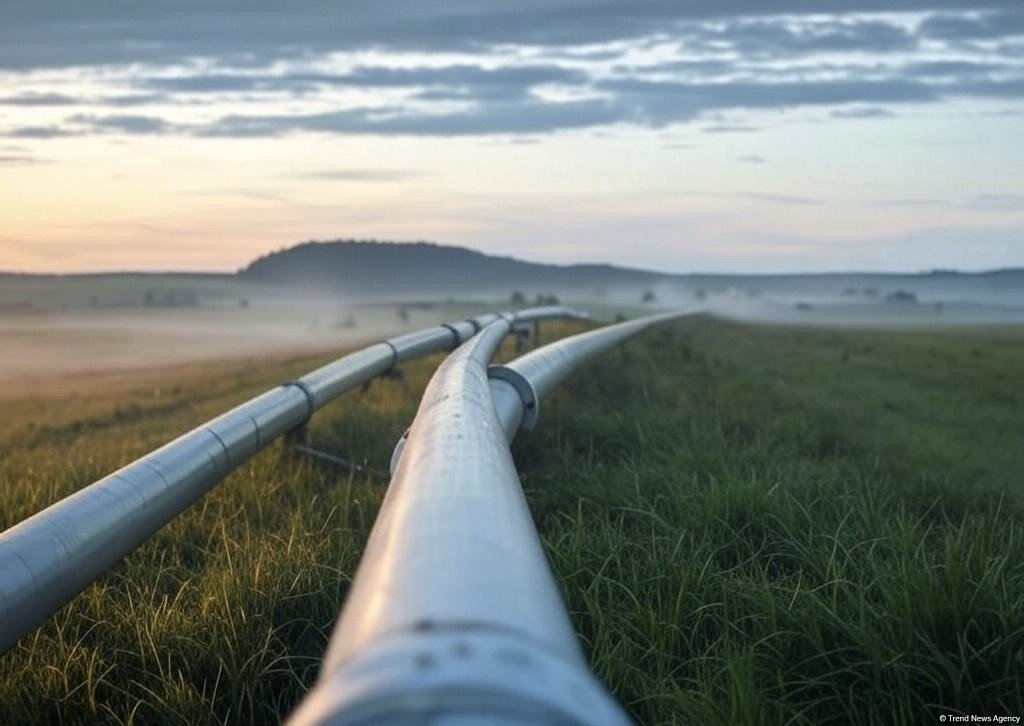
With that route effectively closed, Aramco is rapidly scaling up operations at its Red Sea port of Yanbu — the western terminus of the East-West Pipeline that crosses Saudi Arabia’s interior. Nasser confirmed that the company expects to be able to export approximately 70% of its normal crude shipments within days through this alternative route, representing around 5 million barrels per day reaching global markets without touching the Strait of Hormuz.
That is a genuinely significant logistical achievement under extraordinary pressure — and it demonstrates the resilience that Saudi Arabia’s energy infrastructure was specifically designed to provide. The East-West Pipeline was built precisely as a Hormuz bypass for moments like this. But the arithmetic is unforgiving: 5 million barrels per day is still 2 million barrels per day short of normal Saudi export volumes — and Saudi Arabia is only one of multiple Gulf producers whose output has been affected. According to Saudi Aramco’s official results, the company is operating at the absolute limit of its alternative export capacity.
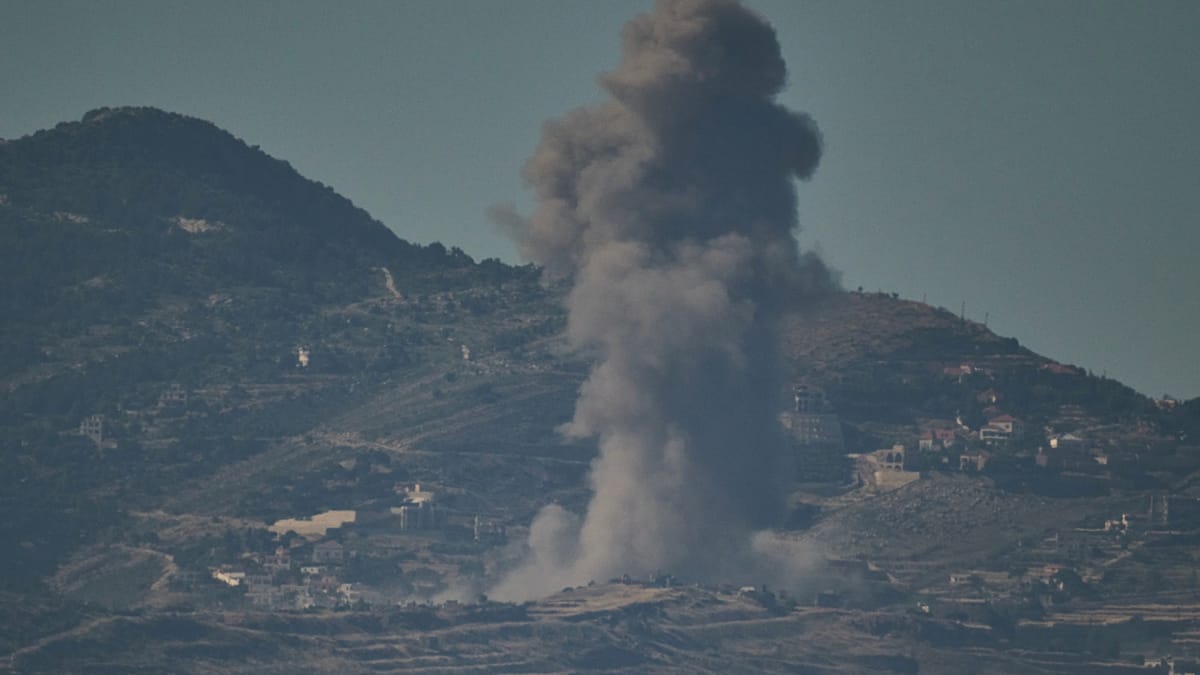
Iraq, Kuwait, and the UAE have all cut production to varying degrees as onshore storage fills rapidly with oil that cannot be shipped. In total, approximately 20% of global oil supplies have been disrupted by the conflict — a figure that the International Energy Agency has confirmed makes this the largest supply shock in recorded history, exceeding every previous disruption including the 1973 Arab oil embargo and the Iranian Revolution. The scale of the current oil supply disruption dwarfs every previous crisis in the modern era — and the market is only beginning to fully price what a prolonged disruption at this scale means.
“Catastrophic” — and What That Word Actually Means
Nasser’s choice of language on the earnings call was deliberate and precise. “Catastrophic consequences” for the oil market if the conflict drags on. “Drastic” effects on the global economy. These are not the words of a chief executive engaging in political commentary — they are the words of an operator with direct visibility into supply chain realities that most market participants can only model from the outside.
His comments echo those of Qatar’s energy minister, who warned last week that the disruption to energy supplies had the potential to “bring down the economies of the world.” The Gulf states are not speaking in these terms to generate headlines. They are speaking in these terms because they are watching the operational reality of the global energy system deteriorate in real time — and because they want the Trump administration to understand precisely what the economic consequences of a prolonged conflict will be. The warnings from Gulf energy producers about the economic consequences of the Iran war represent an unprecedented level of public pressure from America’s closest regional allies.
According to the World Bank’s energy price monitoring, sustained supply disruptions of this magnitude historically translate into GDP contractions of 1-3% across major oil-importing economies within two quarters — with the effects most severe in Europe and Asia, where energy import dependency is highest and fiscal space to absorb the shock is most constrained.
What Comes Next
The Yanbu rerouting buys time — perhaps enough to prevent the immediate price spiral that would follow a complete Saudi export shutdown. But 70% of normal supply from the world’s largest exporter, combined with significant production cuts across Iraq, Kuwait, and the UAE, still leaves global markets well short of the volumes they need. The G7’s emergency reserve release discussions add another partial buffer. But as every Aramco analyst, every IEA economist, and now Aramco’s own CEO is making clear — buffers and bypasses are not solutions. They are the measures you deploy while you work toward one.
The conflict needs to end. The strait needs to reopen. And the longer neither happens, the closer Nasser’s word “catastrophic” moves from warning to description.
FAQ
Q: How is Saudi Aramco continuing to export oil with the Strait of Hormuz closed? Aramco is rapidly scaling exports through its Red Sea port of Yanbu, the western terminus of the East-West Pipeline that crosses Saudi Arabia. This route bypasses the Strait of Hormuz entirely. Aramco expects to export approximately 5 million barrels per day through this route within days — around 70% of its normal export volumes of 7 million barrels per day.
Q: What does Aramco’s “catastrophic consequences” warning mean for the global economy? Aramco CEO Amin Nasser’s warning reflects the reality that approximately 20% of global oil supplies have already been disrupted by the conflict. Sustained disruption at this scale historically reduces global GDP growth by 1-3 percentage points, accelerates inflation, and forces central banks to delay rate cuts. For major oil-importing economies in Europe and Asia, the consequences include rising energy bills, supply chain disruption, and a growing risk of stagflation if the conflict continues for months rather than weeks.
The post Saudi Aramco Warns of “Catastrophic” Consequences as Iran War Cuts 20% of Global Oil Supply appeared first on European Business & Finance Magazine.