





















Rizwan Controversy: Why Did Rizwan Refuse Handshakes?
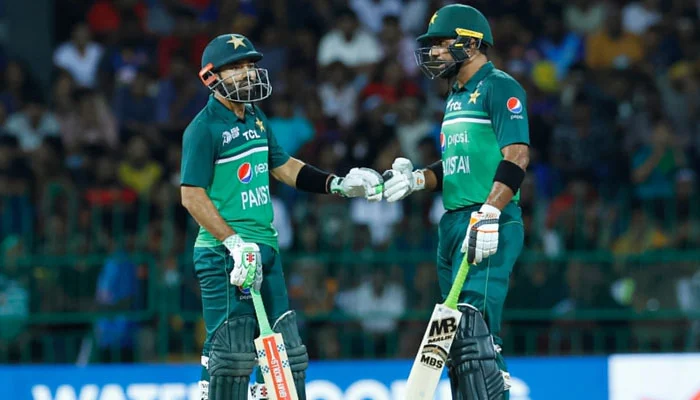
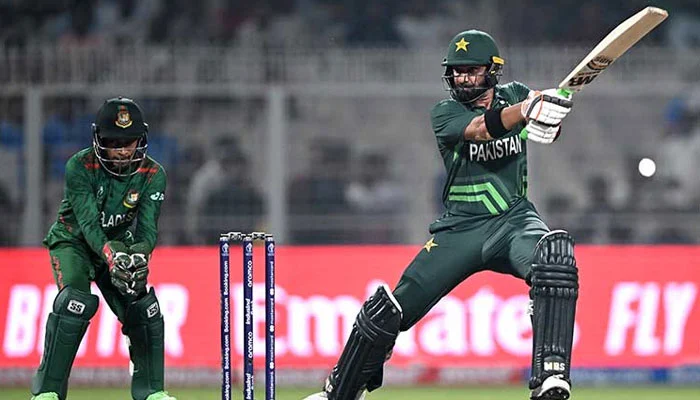
Bangladesh wicketkeeper-batter Litton Das has raised eyebrows following a public criticism of Mohammad Rizwan, the Pakistan batsman, for not shaking hands with the opposition after the Tests after claiming the act was unprofessional and that it was contrary to the spirit of the game.
The culmination of the tension came during the second Test in Sylhet when both players were caught up in an altercation regarding movement around the sightscreen, that had to be broken up by umpire intervention. Litton Das, speaking at the media event, said that he didn’t meet Bangladesh players even after the two Tests even after the match had been won, which he felt was against the code of conduct in cricket.
In the modern game of Test cricket, the handshake is considered as a symbolic end to the competitive jingoism, and if it does not follow the norm, it invites criticism, particularly in the bilateral series.
The majority of the time, disagreements are not a major affair in long-format cricket when it comes to the field, but disagreements which last beyond the final ball can have an impact on the general public perception, and can create more trouble than is necessary between the teams.
The small actions in the game are getting blown out of proportion in international cricket with the media and fans being so sensitive at present, as seen in this Bangladesh vs Pakistan Test series incident.
Both from a sporting governance standpoint, match officials and team management are likely to promote quick post-match actions to ensure professionalism and safeguarding the format image, especially in ICC managed series.
The post Rizwan Controversy: Why Did Rizwan Refuse Handshakes? appeared first on Ten Sports TV.