





















Oil Markets on Knife Edge as OPEC+ Moves to Raise Output After Khamenei Strike

Q: How much extra oil is OPEC+ producing after the Iran strikes?
A: OPEC+ agreed on 1 March 2026 to raise production by 206,000 barrels per day from April — more than the 137,000 bpd originally expected, but far less than the 411,000–548,000 bpd debated during the emergency meeting. Analysts warn the increase covers less than 0.2% of global demand and is unlikely to offset the disruption caused by the effective closure of the Strait of Hormuz.
Brent crude jumped 10% to around $80 a barrel in over-the-counter trading on Sunday after US and Israeli strikes on Iran killed Supreme Leader Ayatollah Ali Khamenei and triggered retaliatory missile attacks across the Gulf. The strikes, launched on Saturday, have plunged the Middle East into open conflict and shut down the world’s most important oil chokepoint.
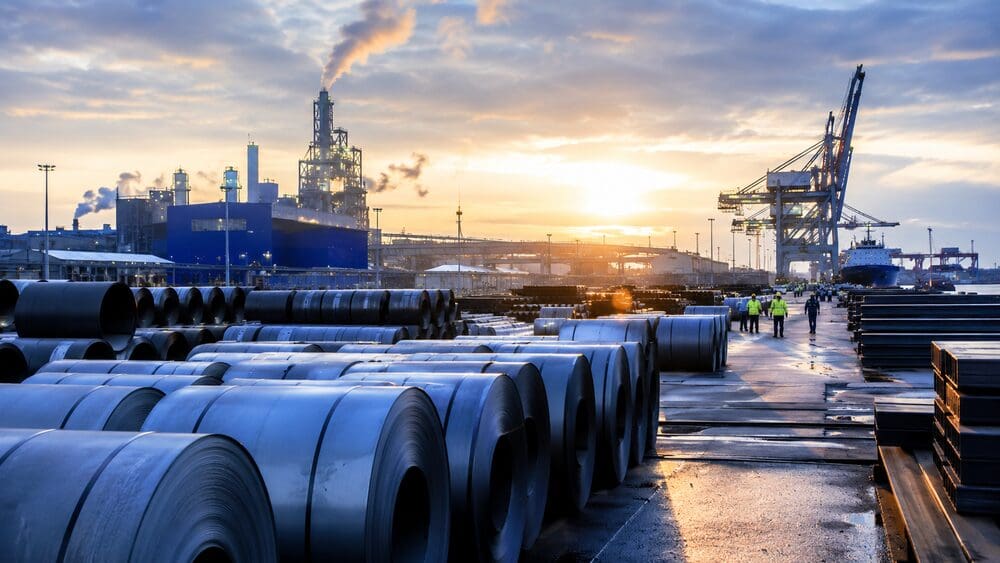
Shipments of oil, gas and liquefied natural gas through the Strait of Hormuz — which handles over 20% of global oil transit — halted after Tehran warned vessels the area was closed for navigation. Most tanker owners, oil majors and trading houses have suspended operations through the strait. Rystad Energy estimates a net loss of 8 to 10 million barrels per day of crude supply even after diverting some flows through Saudi Arabia’s East-West pipeline and Abu Dhabi’s bypass infrastructure.
The OPEC+ response came via an emergency video call involving the eight-member V8 group: Saudi Arabia, Russia, the UAE, Kazakhstan, Kuwait, Iraq, Algeria and Oman. The statement cited “a steady global economic outlook and current healthy market fundamentals” without mentioning the conflict — diplomatic language that masks what analysts describe as a crisis with limited tools to address it.
The fundamental problem is spare capacity. Saudi Arabia and the UAE are the only members with meaningful room to increase output, and both face the same shipping constraints as everyone else in the Gulf. Riyadh had pre-positioned by raising production and exports in recent weeks in anticipation of strikes, but the geopolitical risk premium on oil has now shifted from a theoretical hedge to a live supply crisis.
Veteran OPEC analyst Helima Croft at RBC warned that Middle East leaders told Washington a war on Iran could push prices above $100 a barrel. Barclays echoed that forecast. Rystad expects prices to rise by roughly $20 to around $92 when markets fully reopen. Jorge Leon at Rystad was blunt: the OPEC+ increase “is unlikely to calm markets — prices will respond to developments in the Gulf and the status of shipping flows, not to a relatively small increase in output.”
For European markets already navigating fragile industrial momentum and uneven recovery, a sustained oil spike adds inflationary pressure at the worst possible moment. The ECB has held rates steady on the assumption that inflation is returning to target. An energy shock from the Gulf could force a recalculation.
The crisis also reinforces the investment case for European defence stocks, which have already surged over 260% since Russia’s 2022 invasion of Ukraine. The STOXX aerospace and defence index will be among the first benchmarks traders watch when European markets open on Monday. Meanwhile, the 2026 Global Risks Report’s warning that geoeconomic confrontation is the single greatest threat to global stability looks less like forecasting and more like description.
Iran has formed an interim Leadership Council following Khamenei’s death, with pragmatist Ali Larijani emerging as a potential power broker. Trump warned Tehran of “unprecedented force” if it retaliates further. Whether the Strait of Hormuz reopens in days or weeks will determine whether this remains a price spike or becomes the kind of structural energy disruption that reshapes markets for years.
The 206,000 barrels OPEC+ has offered are a gesture, not a solution. The real question is how long the strait stays closed.
The post Oil Markets on Knife Edge as OPEC+ Moves to Raise Output After Khamenei Strike appeared first on European Business & Finance Magazine.