














Oil Crashes 16%, Stocks Surge: Iran Ceasefire Reached Hours Before Trump’s Deadline
.Quick Answer: The United States and Iran agreed a two-week ceasefire less than two hours before Trump’s 8pm ET deadline expired on April 7. Iran agreed to safe passage through the Strait of Hormuz during the ceasefire period. WTI crude fell as much as 20% to below $93 a barrel — its biggest single-day drop in almost six years. Dow futures surged over 1,000 points, S&P 500 futures jumped 2.1%, and Asian markets opened sharply higher. The deal is conditional, temporary, and analysts are already warning the hard questions remain unanswered.
EBM Analysis: Relief Is Real — But Two Weeks Is Not a Resolution
Oil slid the most in almost six years. Stocks surged globally. The dollar fell. Bonds rallied. In the space of thirty minutes on Tuesday night, every asset class moved simultaneously in the same direction — a market exhale five weeks in the making.
The numbers were extraordinary. WTI crude collapsed from an intraday high of $117 to below $93 a barrel — a drop of nearly 20% in a single session. Dow futures spiked 1,000 points. S&P 500 futures jumped 2.5%. Nasdaq 100 futures climbed nearly 3%. Japan’s Nikkei surged 4.95% on open. South Korea’s Kospi gained 5.8%. European stock futures pointed to gains of 5% at open. Gold jumped 2.5%. Silver rose 4.6%. The relief was global, simultaneous and dramatic.
The trigger was Trump’s Truth Social post, published less than two hours before his 8pm ET deadline: “Subject to the Islamic Republic of Iran agreeing to the COMPLETE, IMMEDIATE, and SAFE OPENING of the Strait of Hormuz, I agree to suspend the bombing and attack of Iran for a period of two weeks. We received a 10-point proposal from Iran, and believe it is a workable basis on which to negotiate.” He declared it “a double sided CEASEFIRE” and stated that the US had “already met and exceeded all Military objectives.”
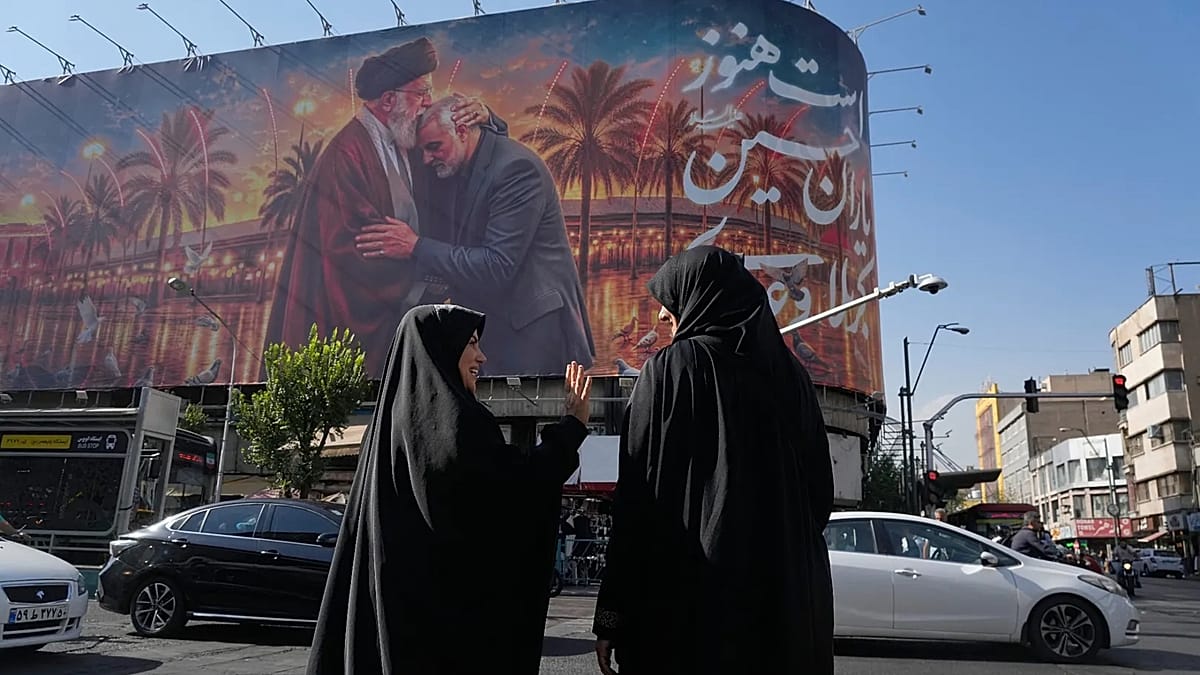
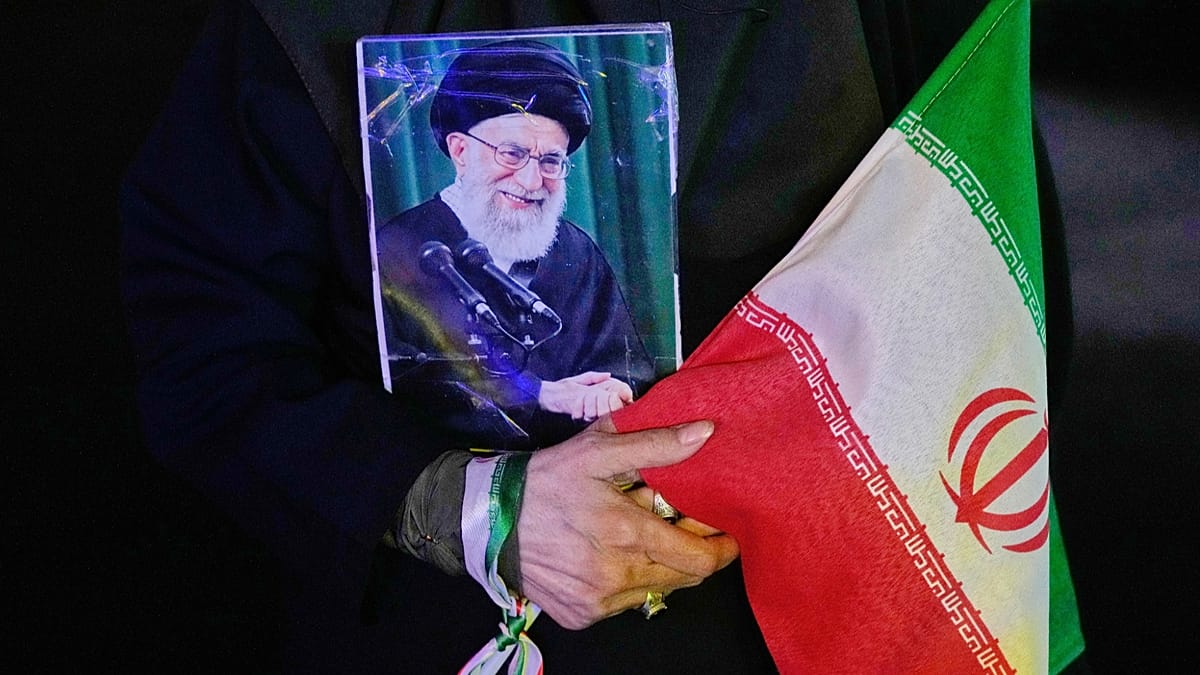
Pakistan’s Prime Minister Shehbaz Sharif, who played the critical mediator role throughout the negotiations, confirmed the ceasefire would begin immediately. Iran’s Supreme National Security Council agreed to reopen the Strait for two weeks provided all attacks ceased — though Iran’s state media simultaneously declared the ceasefire an “undeniable, historic and crushing defeat” for the United States. Both sides claimed victory. That tells you something important about how fragile this agreement is.
Why the Market Reaction Is Justified — and Why It May Be Premature
The oil market had been building fragility beneath its apparent calm for weeks — and the relief now unwinding that premium is proportionate to the fear that built it. Five weeks of Strait closure represented the largest oil supply disruption in recorded history according to the IEA, removing roughly 12 to 15 million barrels per day from global markets. Every percentage point of that disruption premium that unwinds represents genuine economic relief for European households already absorbing energy bill spikes and businesses facing surging input costs.
The rate cut picture also improves immediately. US Treasury yields dropped sharply on the announcement — the 10-year yield fell 9.5 basis points to 4.247%, its lowest since mid-March. With energy inflation easing, the Federal Reserve and ECB have marginally more room to move on rates than they did 24 hours ago. Fund managers who had been buying bonds and positioning for the growth shock thesis are now reassessing their positioning — though the more cautious among them are not abandoning it entirely.
The caution is warranted. Even after Tuesday’s dramatic collapse, WTI crude is still up more than 70% since the year began. A two-week ceasefire does not reopen the Strait overnight — Iran stated that transit would need to be coordinated with its Armed Forces, which implies it retains effective control over who passes through even during the pause. The infrastructure damage across the Gulf — Saudi Aramco’s Juaymah terminal, refineries across Iraq, Kuwait and the UAE, pipeline capacity throughout the region — will take months to repair regardless of what happens politically.
What Comes Next
The 10-point Iranian proposal that Trump described as “workable” is the document that will define the next two weeks. Its contents have not been published. Its terms are unknown. Iran has made clear that “complete cessation of hostilities and full lifting of sanctions” remain its preconditions for a permanent agreement — terms Washington has not accepted. The gap between a two-week pause and a lasting peace remains substantial.
Israel’s position adds further complexity. Tel Aviv agreed to suspend bombing of Iran but explicitly stated the ceasefire did not include Lebanon — a position that contradicts Pakistan’s statement that the agreement covered the entire region. Those contradictions will need resolving before the two weeks expire.
Global markets are pricing the optimistic scenario tonight — that two weeks becomes a framework, the framework becomes a deal, and the Strait returns to something approaching pre-war normality. That scenario is possible. It is not yet probable. The ceasefire is real. The resolution is not yet here. And the clock has simply been reset — this time to two weeks from today.
Related Analysis
- Trump Said “A Whole Civilization Will Die Tonight” — Then a Deal Was Reached
- The Global Oil Market — Hidden Fragility Beneath the Surface
- Oil Prices Dip as Ceasefire Hopes Emerge
The post Oil Crashes 16%, Stocks Surge: Iran Ceasefire Reached Hours Before Trump’s Deadline appeared first on European Business & Finance Magazine.