


























Oil Analysis: Why Ceasefire Rumors are Failing to Cool the Tuesday Deadline


Quick Answer: Global oil prices (Brent $109.64) remain in a state of “extreme tension” as markets weigh fragile ceasefire talks against President Trump’s Tuesday 8:00 P.M. ET deadline. If the Strait of Hormuz is not reopened by the cutoff, the U.S. has threatened “Power Plant Day”—coordinated strikes on Iran’s energy grid. While a 45-day truce is being discussed, analysts warn that a failure to reach an agreement within 24 hours could trigger an unprecedented energy shock.
EBM Analysis: Why This Dip Tells You More About Hope Than Reality
Oil prices edged lower on Monday — but the move tells you more about what markets want to be true than what is actually happening in the Persian Gulf.
Reports of a possible agreement between the United States and Iran to halt hostilities and reopen the Strait of Hormuz provided the catalyst. Add OPEC+’s decision to raise output quotas, factor in the potential resumption of Iraqi exports, and on paper the supply picture looks marginally less dire than it did last week. Markets responded accordingly — prices dipped, volatility eased slightly, and for a few hours the narrative shifted toward resolution.
This is a pattern that has played out repeatedly since the war began. Hope arrives, prices fall, the Strait remains closed, and the underlying reality reasserts itself. The question is not whether a ceasefire would push oil lower — it would, sharply. The question is whether the conditions for a genuine ceasefire exist. Based on the weekend’s events, the answer remains unclear.
What Is Actually Happening at the Strait
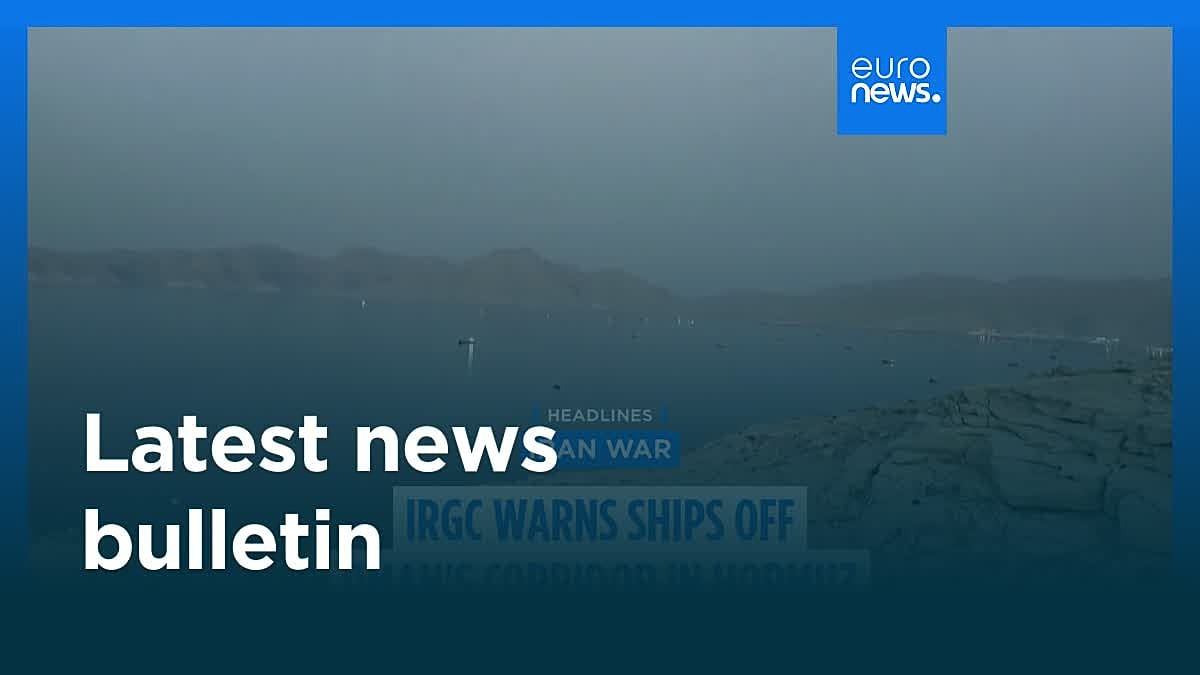
Vessel transit through the Strait of Hormuz remained severely limited on Monday. The IEA has described the current disruption as the largest to global energy supply since the 1970s oil crisis — with roughly 20% of global oil supply still effectively blocked. Trump’s final ultimatum to Iran, set for Tuesday 8pm Eastern Time, adds another layer of uncertainty. If that deadline passes without compliance and strikes on Iranian power plants follow, any downward price move from Monday’s session could reverse violently within hours.
The OPEC+ output increase is real but its market impact is contingent on the Strait reopening. Additional barrels that cannot reach tankers, cannot be loaded, and cannot transit the Gulf are additional barrels in name only. The same logic applies to Iraqi exports — a potential positive for supply, but one that requires functioning shipping lanes to materialise.
The Fragility Beneath the Surface
The global oil market has been building fragility beneath its apparent calm for weeks. Infrastructure damage across the Gulf — Saudi Aramco’s Juaymah terminal, refineries across the region, pipeline capacity — will not be repaired even if a ceasefire lands tomorrow. The Federal Reserve Bank of Dallas has modelled that even a single additional quarter of Strait closure would lower global GDP growth by an annualised 2.9 percentage points. Markets pricing a swift normalisation are pricing the most optimistic scenario as the base case.
Fund managers have been reading this more cautiously — buying government bonds rather than chasing the relief rally in equities, positioning for the growth shock thesis rather than the ceasefire thesis. That positioning reflects a genuine assessment of probabilities rather than pessimism for its own sake.
What to Watch
Tuesday’s deadline is the immediate catalyst. Any confirmed progress toward a ceasefire agreement — particularly one that includes a credible commitment to reopen the Strait with international monitoring — would justify a more sustained price decline. Absent that, Monday’s dip is a sentiment move rather than a structural one.
European markets and households remain acutely exposed to whatever comes next. Energy bills are rising. Petrol prices are climbing. The July spike in household energy costs has not been averted. A ceasefire would help — but even under the most optimistic scenario, the damage already done to supply infrastructure means prices will not return to pre-war levels quickly.
Oil edged lower on Monday. It may edge higher by Wednesday. The Strait of Hormuz remains the only number that matters.
The post Oil Analysis: Why Ceasefire Rumors are Failing to Cool the Tuesday Deadline appeared first on European Business & Finance Magazine.