
































Mining for Meaning: The Evolution From Hard Hats to Hash Rates
Mining isn’t just a concept of the past. It has evolved and taken on a new, digital form. In today’s era, miners have gone from wielding pickaxes in subterranean tunnels to harnessing computational power to “mine” cryptocurrencies. Mining has transitioned from a dusty, labor-intensive endeavor to a virtual operation that requires substantial computer resources.
Annexing these advancements is Bitcoin, the most renowned cryptocurrency. From physical to digital, hard hats to hash rates, mining’s transformation is both groundbreaking and exciting. This article explores this remarkable evolution, from underground digs to the Bitcoin price today.
A Brief History of Mining
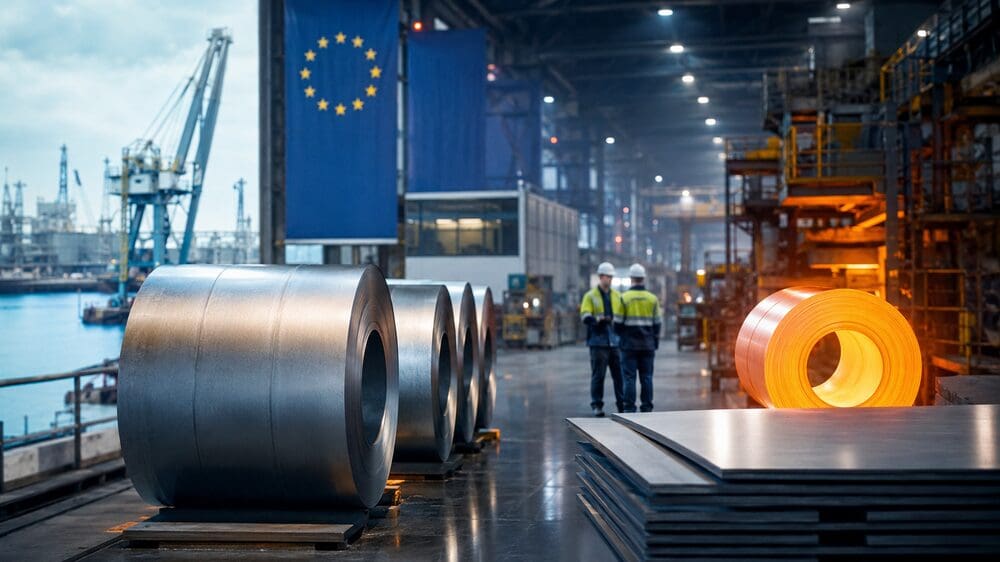
Mining has always been a backbone of civilization, from supplying the bronze for the eponymous Bronze Age to powering the Industrial Revolution with coal. Its methods and focus have evolved with society and technology.
In the Stone Age, humankind mined flint to make tools. The Egyptians mined precious metals and semi-precious stones for fine jewelry and ornamentation. Fast-forward to the coal-mining days of the Industrial Revolution, when users traded hand tools for hulking machines that could excavate more, faster.
Canaries and hard hats were integral tools of laborious hours beneath the Earth’s surface, extracting valuable commodities that improved lives and fueled economies. Miners witnessed another significant shift with the transition from fossil fuels to renewable resources, and mining, once again, had to adapt.
The 21st century brought with it a new breed of mining, one that had no physical form and couldn’t be held in hand. Welcome to the era of digital mining.
The Advent of Digital Mining
As society became increasingly reliant on technology and the Internet, a new kind of mining emerged, where the “gold” was virtual. In 2009, an individual or group using the pseudonym Satoshi Nakamoto launched Bitcoin, a hallmark of the cryptocurrency.
It was mined with computer processors and software algorithms. The “mine” was a complex tapestry of interconnected computers known as the blockchain.
Bitcoin mining involves using computer resources to solve complex mathematical puzzles. The solutions, called hashes, validate and record transactions on the blockchain, and the miners are rewarded with Bitcoins. Bitcoin catalyzed a revolution, spawning countless other cryptocurrencies, each with its own mining techniques and nuances.
The most remarkable part, arguably, is the transformative growth in its value. Bitcoin’s value trajectory attests to the significance of the paradigm shift from hard hats to hash rates. The current bitcoin price serves as a testament to Satoshi’s vision and the power of decentralized finance.
What Are Hash Rates?
As you venture from the echoing tunnels of traditional mines to the hum of hardworking processors deciphering cryptographic puzzles, you encounter a new term — Hash Rates. Hash rate, in simple terms, refers to the speed at which a miner’s machine operates.
The faster the machine can generate hashes, the faster it can solve those complex mathematical problems. The higher the hash rate, the better the chances of earning Bitcoin rewards.
A high hash rate signifies robust network security, as more miners are active on the network, ensuring its integrity and discouraging fraudulent behaviors. While these digits and terminologies might seem bewildering, think of hash rates as the digital equivalent of a miner’s pickaxe swing strength — the stronger the swing, the higher the chances of striking gold.
Hash Rates and Bitcoin Price Trends
Just like traditional commodities, prices in the digital domain can fluctuate based on various influencing factors. The Bitcoin price isn’t purely dependent on hash rates. Market demand, regulatory news, and broader economic factors also play significant roles.
However, hash rates can offer an insight into the network’s activity and health, sometimes indicating the market’s trajectory. Generally, a high hash rate suggests that more miners are finding Bitcoin mining profitable, which could subsequently lead to an increase in Bitcoin prices.
However, remember that cryptocurrency prices are highly volatile. They sway dramatically even within a single day, and external factors can significantly influence these trends.
Mining’s Continual Evolution
Just as traditional miners would reflect on their day’s yield, take a moment to reflect. The journey from dirt tunnels and gold nuggets to the sophisticated world of hash rates and digital Bitcoins reveals the transformative essence of the mining industry. The hard hats have seen a metamorphosis into complex codes, and pickaxes have turned into processing power.
The post Mining for Meaning: The Evolution From Hard Hats to Hash Rates appeared first on EU Business News.