





























EU Inc-The EU’s Plan to Make Scaling a Startup in Europe Dramatically Easier

For years, European founders have faced a problem that their American counterparts simply do not have. Scaling a startup across the US means operating under one legal framework, one capital regime, one rulebook. Scaling across Europe means navigating 27 different ones — 27 sets of incorporation rules, 27 different compliance environments, 27 separate approaches to employee equity. The EU’s answer, finally arriving in legislative form, is called EU Inc.
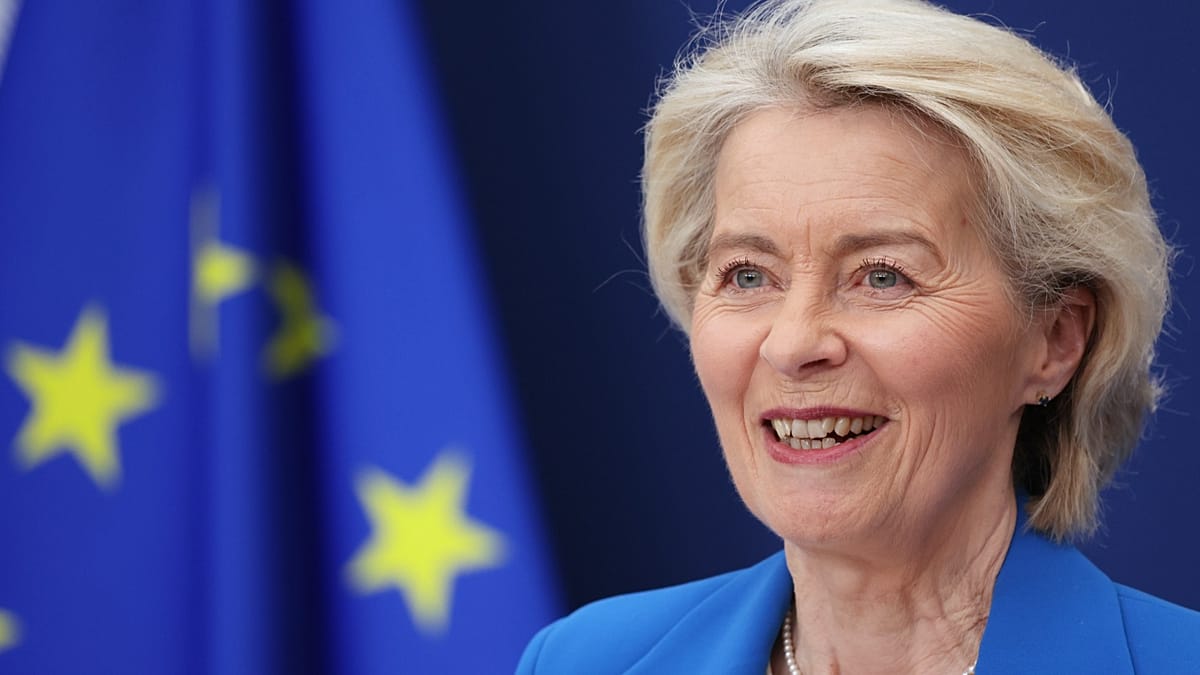
European Commission President Ursula von der Leyen announced the initiative at the World Economic Forum in Davos, describing it as a de facto “28th state” where founders can register companies. “Our entrepreneurs, the innovative companies, will be able to register a company in any Member State within 48 hours and fully online,” she told an audience of tech CEOs, founders, and venture capitalists.
What the 28th Regime Actually Proposes
The term “28th regime” refers to an optional EU-level legal framework that sits alongside — rather than replaces — existing national company structures. A founder building a startup in France would still have the option of incorporating as a French SAS. But they would also have a new option: registering under a single EU-wide structure, with one set of rules recognised automatically across all 27 member states.
The European Parliament has already signalled strong political backing, adopting a report on the initiative with 492 votes in favour and 144 against. Under the anticipated framework, registration of a Unified European Company should be fully digital and completable in 48 hours, requiring a minimum paid-in capital of only one euro.
The practical implications for founders are significant. A unified capital regime would mean the same rules for raising investment across borders. Standardised employee stock option plans — currently a patchwork of incompatible national frameworks that make hiring across Europe needlessly complex — would work the same way for every employee, regardless of which country they are based in.
As EBM has reported extensively, Europe’s single market has long struggled to deliver for the technology sector — fragmented services regulation, capital barriers and inconsistent corporate governance rules have consistently disadvantaged European startups relative to their US counterparts. The 28th regime is the most direct legislative attempt yet to address that structural gap. The EU’s company law reform ambitions have been building for some time, but EU Inc marks a sharper focus on founder practicality over regulatory theory.
The Caveats Are Real
One industry observer notes the proposal is “not a done deal” and warns that “the eternal problem with these regimes is that member states are under no obligation to opt in. The result may be just another layer of bureaucracy.”
The EU has attempted pan-European company structures before — the Societas Europaea in 2004, the European Private Company in 2010, the Single-Member Company in 2014 — and all failed to achieve meaningful uptake. The common thread was complexity and limited member state enthusiasm. Critics including trade unions warn the regime could lead to regulatory arbitrage and potential erosion of labour and social protections.
The Commission’s legislative proposal is expected imminently, with rollout targeted for 2027. For Europe’s startup ecosystem — already shifting strategy from fundraising sprints toward acquisition-driven consolidation as capital markets tighten — the question is whether the political ambition behind EU Inc translates into an instrument founders actually use. If it does, it could materially change the venture capital landscape that European founders currently navigate at a structural disadvantage to Silicon Valley.
The idea is right. The execution is everything.
Sebastien Marchon, CEO of Rydoo, commented:
“The EU Inc initiative is a very positive step and I strongly support the direction the European Commission is taking.
“One of the biggest challenges for European startups today is fragmentation. Building a company across Europe still means navigating multiple legal systems, regulatory frameworks and administrative processes. Anything that reduces this friction and helps entrepreneurs scale faster across the continent is a step in the right direction.
“EU Inc should be seen as a starting point. If implemented well, it could help create a more coherent European market and give startups and scaleups the conditions they need to compete globally with the US, China and other innovation ecosystems.
“This is a race against time. Europe has an extraordinary opportunity to create a more founder-friendly environment that benefits everyone — entrepreneurs, employees, investors and governments alike — but it will need to move quickly.
“At the same time, reforms of this scale must be implemented carefully and thoughtfully. The goal should be to move fast, but without creating new layers of complexity, while ensuring that the benefits are shared across the entire ecosystem.
“If Europe gets this right, it could unlock a new era of innovation and entrepreneurship across the continent.”
Rydoo provides expense management software to companies including Deloitte. It is headquartered in Belgium with operations across Europe and customers in 130+ countries. Last year it acquired another European fintech, Semine, and is backed by European PE fund Eurazeo.
FAQs
What is the EU Inc 28th regime and how is it different from national company structures? EU Inc is an optional pan-European legal entity that founders can use instead of incorporating under a national framework like a UK Ltd or German GmbH. It operates under a single EU-wide rulebook, automatically recognised across all 27 member states, designed to eliminate the compliance complexity of operating across multiple national jurisdictions.
When will EU Inc be available and who can use it? The European Commission’s legislative proposal is expected in the first quarter of 2026, with a rollout targeted for 2027 following parliamentary and council approval. It is aimed at non-listed limited liability companies — primarily startups and scale-ups — seeking to build cross-border operations within the EU
The post EU Inc-The EU’s Plan to Make Scaling a Startup in Europe Dramatically Easier appeared first on European Business & Finance Magazine.