



















Iran just issued evacuation orders or Saudi Arabia, Qatar and the UAE . The World’s Energy System Has Never Been More Exposed.

Quick Answer: Iran’s IRGC has issued formal evacuation orders for major energy facilities in Saudi Arabia, the UAE and Qatar, naming them as “direct and legitimate targets” to be struck within hours in retaliation for Israeli strikes on the South Pars gas field. The facilities named include Saudi Arabia’s SAMREF refinery and Jubail petrochemical complex, Qatar’s Ras Laffan refinery and Mesaieed complex, and the UAE’s Al Hosn gas field. Oil has surged to $108 per barrel and European TTF gas is up 5%.
Iran Targets Gulf Energy Infrastructure 2026: Saudi Arabia, Qatar and UAE Named as Strike Targets
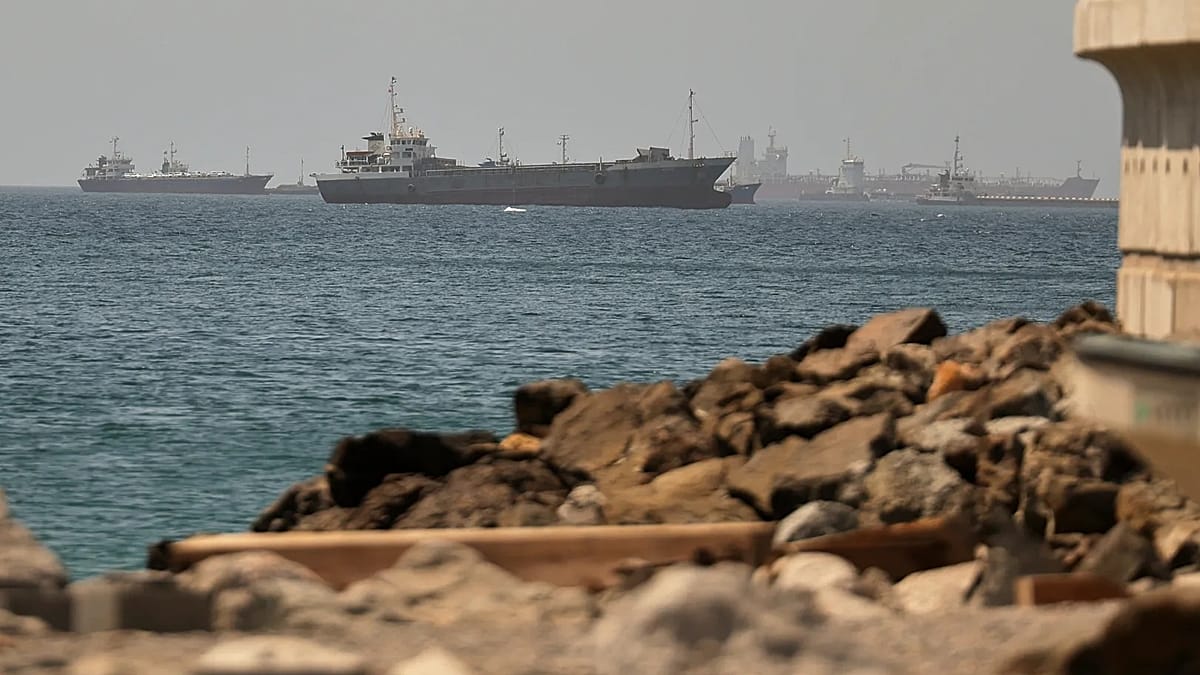
For eighteen days, the Gulf states have been watching this war from an uncomfortable middle distance — absorbing Iranian drone and missile strikes on their territory while officially maintaining neutrality, hosting US military assets while refusing to send warships to reopen Hormuz. That calculated ambiguity ended this morning.
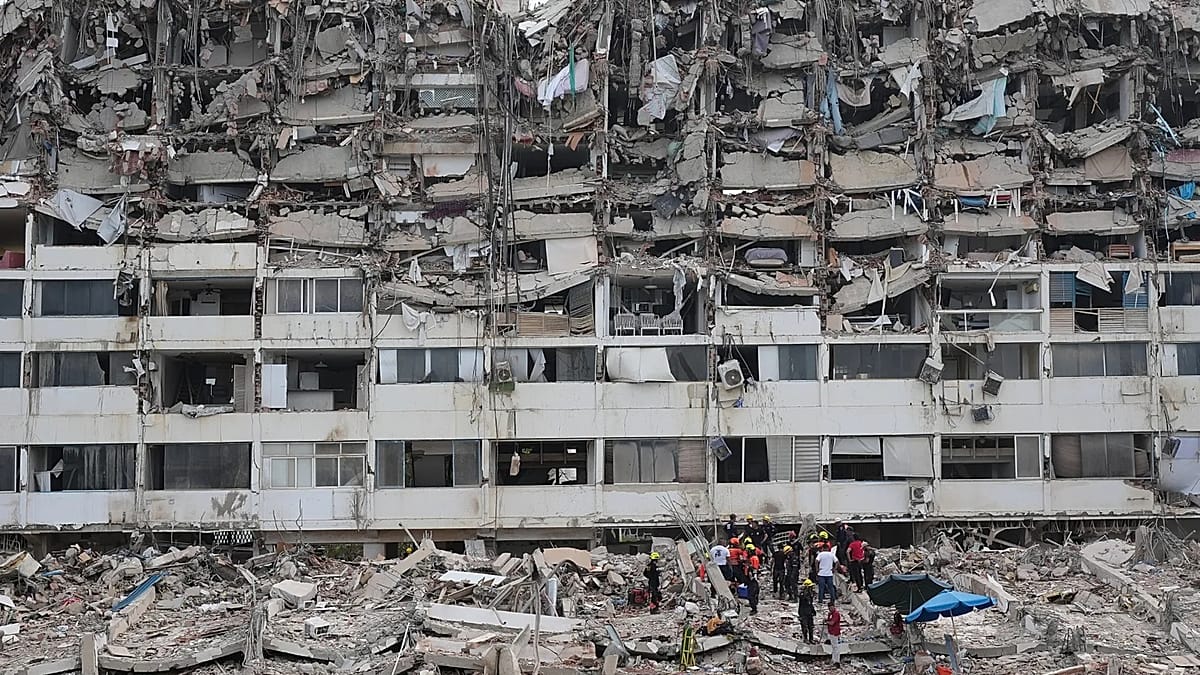
Iran’s Islamic Revolutionary Guard Corps has issued what amounts to a formal declaration that the conflict’s next phase will be fought on Gulf energy infrastructure. The SAMREF refinery at Yanbu, the Jubail petrochemical complex, Qatar’s Ras Laffan refinery — the facility that processes a significant portion of the world’s LNG supply — the Mesaieed petrochemical complex, and the UAE’s Al Hosn gas field have all been named as “direct and legitimate targets.” Citizens, residents and employees have been told to evacuate immediately. Saudi Arabia activated air defences over Riyadh within hours. The UAE, which has already intercepted 1,699 drones and 327 ballistic missiles since the war began, braced for another wave.
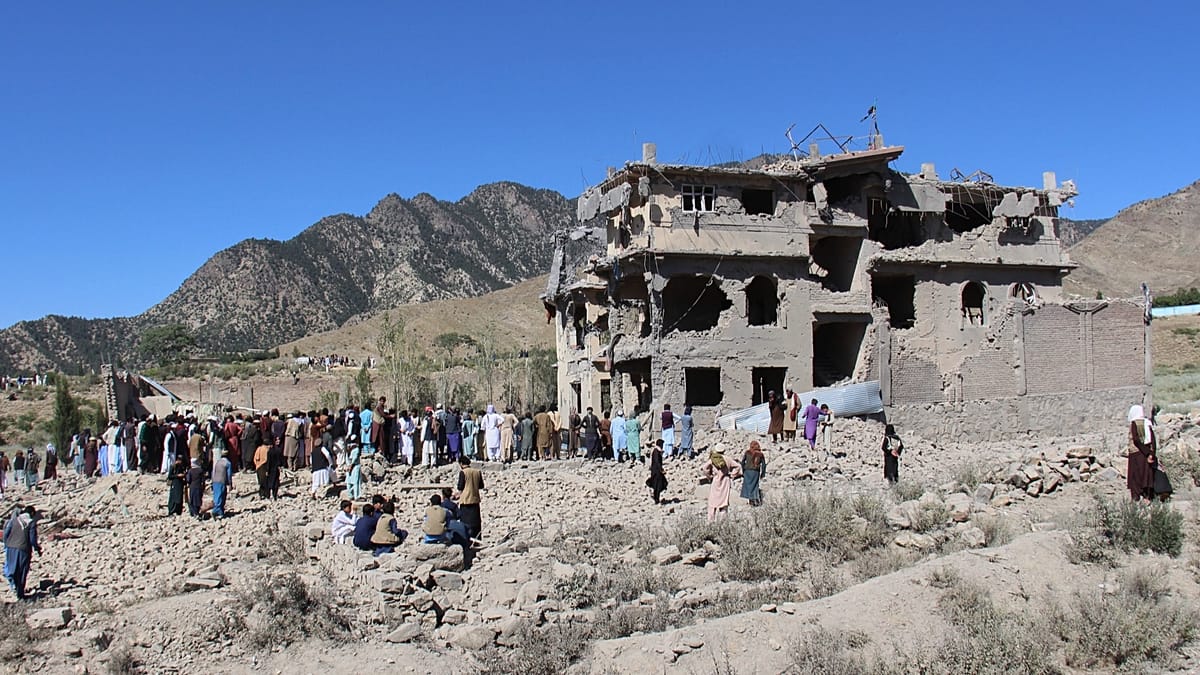
The trigger was the Israeli strike on South Pars — the world’s largest natural gas field, which Iran shares with Qatar. Four gas treatment facilities in southern Iran were damaged in US and Israeli drone strikes, taking phases 3, 4, 5 and 6 of the offshore South Pars field offline to control and prevent the spread of fire. Argus Media South Pars accounts for between 70% and 75% of Iranian gas production. The governor of Asaluyeh called it “political suicide” by the US and Israel and said it marks “a new phase of war equations.” His phrase was precise: “The pendulum of war has swung to a full-scale economic war. Energy security in the region has reached the point of zero.”
Why This Is Different From Everything That Came Before
The war until today was, in structural terms, a conflict between a US-Israeli military coalition and Iran — conducted over Iranian territory, with Gulf states as collateral targets. What Iran has now done is formally expand the conflict’s economic logic to encompass the entire Gulf energy complex.
Ras Laffan is not a peripheral facility. It is the industrial city through which Qatar — the world’s second-largest LNG exporter — processes and ships the gas that heats European homes, powers Asian industry, and underpins the energy security calculations of every major importing economy. Qatar has already been forced to suspend production because of an earlier Iranian drone attack on its main LNG facility. Türkiye Today A successful strike on Ras Laffan would not be an escalation of this war. It would be a restructuring of global energy supply that no strategic reserve release could offset.
For European energy markets already absorbing a second simultaneous supply shock on top of the post-Russia adjustment, the implications are severe. TTF gas at €53 per MWh and Brent at $108 already reflect the Hormuz closure. They do not yet fully reflect a scenario in which Qatar’s LNG export capacity is materially degraded. That repricing, if it comes, would land on European consumers and businesses at the worst possible moment — high inflation, weak growth, and a central bank with no clean policy response.
The Gulf States’ Impossible Position
Saudi Arabia, the UAE and Qatar have spent eighteen days in a position of studied ambiguity — condemning Iranian attacks on their territory while refusing to join the US coalition, keeping diplomatic channels open while absorbing military strikes. Iran’s evacuation order has ended that ambiguity by force.
Qatar’s foreign ministry spokesman directly condemned the South Pars strike as a “dangerous and irresponsible step” and called on all parties to exercise restraint — but Iran’s response was to name Qatar’s own facilities as the next targets. Al Jazeera The message from Tehran is unambiguous: neutrality is no longer available. Gulf states that host US military assets, allow their territory to be used for operations against Iran, or simply exist within range of IRGC missiles are now in the conflict whether they chose to be or not.
This matters for European business and investment exposure to the Gulf in ways that go well beyond energy prices. The Gulf states have been among the most significant destinations for European FDI, financial services, and infrastructure investment for two decades. A conflict that now formally encompasses Saudi, Qatari and Emirati energy infrastructure changes the risk calculus for every European company with Gulf operations, contracts or supply chain dependencies.
What Comes Next
Israel’s defence minister confirmed Wednesday that the intensity of attacks in Iran is increasing and that “significant surprises” are expected throughout the day across all arenas. CBS News NATO Secretary General Mark Rutte said allies “all agree” the Strait of Hormuz must reopen and are “working collectively” on how to do it — the closest the alliance has come to coordinated action since the conflict began. But working collectively on a plan and executing naval operations in a strait defended by mines, shore-based missiles and drone swarms are separated by a considerable distance.
Russia meanwhile continues to load crude at record export prices, the sanctions windfall compounding with every day the conflict extends. The Kremlin did not design this crisis. It does not need to. It simply needs the war to continue — and every escalation that widens the conflict’s geographic footprint and deepens its energy consequences serves that interest without Moscow lifting a finger.
The governor of Asaluyeh said energy security in the region has reached zero. He was not being rhetorical. The infrastructure that underpins a significant proportion of global LNG supply is now explicitly in the target set of a regime that has demonstrated both the will and the capability to strike it.
The world’s energy system has never been more exposed. And the market has not yet finished pricing that in.
The post Iran just issued evacuation orders or Saudi Arabia, Qatar and the UAE . The World’s Energy System Has Never Been More Exposed. appeared first on European Business & Finance Magazine.