
























Inflation eased slightly in January but remained well above the Fed's target
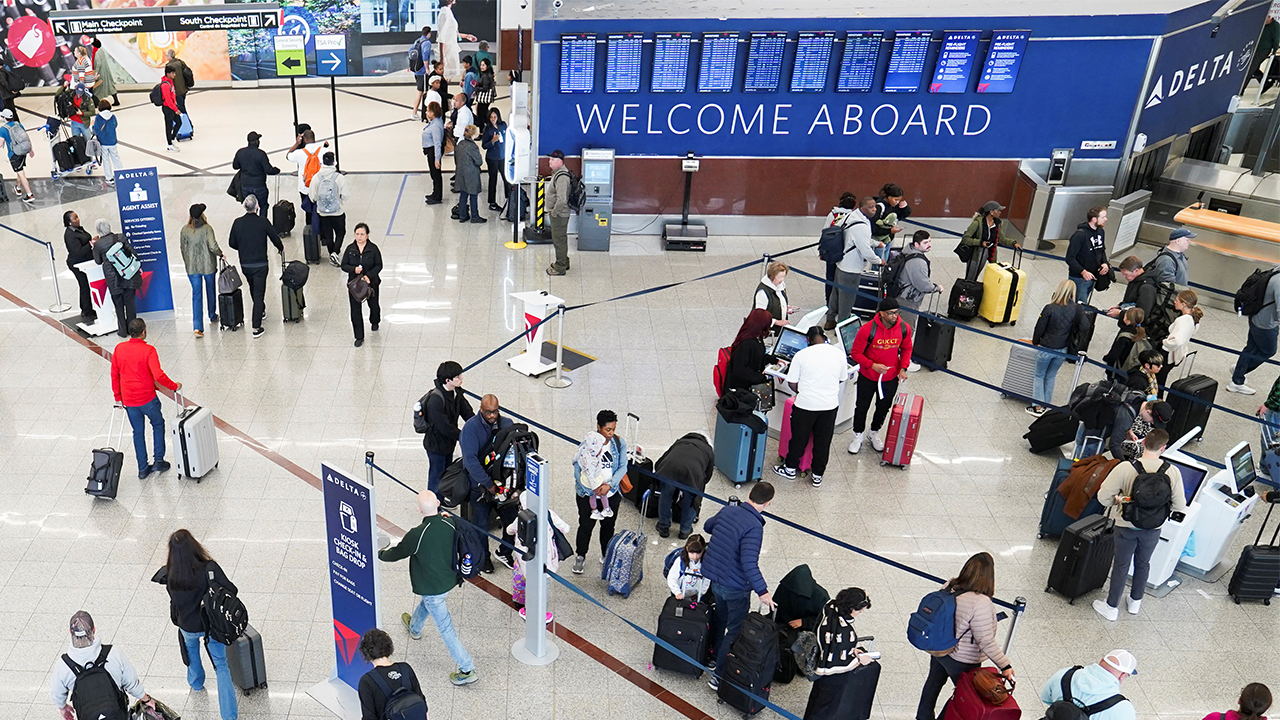
Inflation remained elevated in January as the pace of consumer price growth stayed above the Federal Reserve's target rate as policymakers weigh affordability concerns.
The Bureau of Labor Statistics on Friday said that the consumer price index (CPI) – a broad measure of how much everyday goods like gasoline, groceries and rent cost – rose 0.2% on a monthly basis in January and trended down to 2.4% on a year-over-year basis. That was down slightly from 2.7% in December.
Both figures were slightly cooler than the expectations of economists polled by LSEG, who predicted a 0.3% monthly gain and 2.5% increase from a year ago.
So-called core prices, which exclude volatile measurements of gasoline and food to better assess price growth trends, were up 0.3% from the prior month and slowed to 2.5% from a year ago from a reading of 2.6% last month. Those figures were in line with economists' expectations.
POWELL SAYS AMERICANS FORCED TO ‘ECONOMIZE’ AS STUBBORN INFLATION SQUEEZES HOUSEHOLD BUDGETS
Economists have noted that inflation data from December 2025 through April 2026 will be affected due to data collection interruptions resulting from last fall's 43-day government shutdown.
Due to the shutdown, the BLS wasn't able to gather data and used a carry-forward methodology to make up for the lack of an October CPI report and missing data in November's report. Going forward, economists say that is likely to impart a downward bias on inflation data until this spring, when fresh data will negate the discrepancy.
High inflation has created severe financial pressures in recent years for most U.S. households, which are forced to pay more for everyday necessities like food and rent. Price hikes are particularly difficult for lower-income Americans, because they tend to spend more of their already-stretched paychecks on necessities and have less flexibility to save.
Food prices increased 0.2% in January and are 2.9% higher than a year ago. The food at home index was up 0.2% for the month and is 2.1% higher than last year, while the food away from home index rose 0.1% in January and is 4% higher than a year ago.
Meats, poultry and fish prices rose 0.7% in January and were 7% higher than a year ago. Beef and veal prices declined 0.4% in the month but are up 15% from last year. Egg prices continued to decline following an avian flu outbreak that impacted supply, with prices down 7% for the month and 34.2% year over year. The fruits and vegetables index was up 0.1% on a monthly basis and is up just 0.8% from last year.
BEEF PRICES IN FOCUS AS TRUMP SIGNS ORDER AIMED AT CONSUMER RELIEF
Energy prices declined 1.5% for the month and are down 0.1% over the last year. Gasoline prices fell 3.2% for the month and are down 7.5% year over year. Utility gas service prices rose 1% in January and are up 9.8% from last year, while electricity costs declined 0.1% for the month but are up 6.3% year over year.
Housing prices rose 0.2% in January and are up 3% on an annual basis. The BLS noted that the increase in the shelter index was the largest factor in the overall CPI increase in January. Tenants' and household insurance costs declined 0.1% in January but have risen 6.9% from last year.
Transportation services costs were up 1.4% in January and are 1.3% higher than a year ago. Airline fares jumped 6.5% for the month and are up 2.2% from last year. Motor vehicle maintenance and repair costs are 4.9% higher than last year after a 0.1% increase in January.
Medical care costs were up 0.3% in January and have risen 3.9% in the last year. The personal care index, which includes haircuts and similar services, was up 0.6% in January and is 5% higher than a year ago.
The index for household furnishings and supplies rose 0.3% in January and is up 3.8% from a year ago. Furniture and bedding costs were up 0.7% on a monthly basis and 4% year over year. Tools, hardware and supplies were up 1% in January and are 6.4% higher than a year ago.
WHO IS KEVIN WARSH, TRUMP'S PICK TO SUCCEED JEROME POWELL AS FED CHAIR?
Bernard Yaros, lead economist at Oxford Economics, said that, "Headline CPI inflation was a touch softer than expected in January, delivering a welcome surprise to the downside at the beginning of the year."
"The downside surprise in the January CPI is welcome news for the Federal Reserve, but we aren't changing the baseline forecast for monetary policy based on one inflation reading. Lingering distortions from the shutdown in the price data, prospects for solid growth this year, and a stabilizing job market will keep the central bank on hold until June," Yaros added.
Lindsay Rosner, head of multi-sector fixed income investing at Goldman Sachs Asset Management, said of the January CPI report, "Trust the groundhog. The Fed's path to 'normalization' cuts appears clearer now with fears of a strong January print behind us with CPI coming in cold!"
"How short or how long that path is, however, will depend on whether employment continues to show signs of improvement, given the FOMC's sensitivity to labor market weakness. We continue to expect two cuts this year, with the next move coming in June," Rosner said.
FED HOLDS INTEREST RATES STEADY, PAUSING RATE CUTS AMID ECONOMIC UNCERTAINTY
The Federal Reserve held rates steady at its most recent meeting in January after three consecutive cuts of 25 basis points to end 2025. The next meeting of the Federal Open Market Committee (FOMC), the central bank panel that sets monetary policy, will be March 17-18.
Despite the downward trend, the January CPI readings remained well above the Fed's long-run 2% target rate and uncertainty stemming from the shutdown-related data disruptions will factor into rate cut decisions, likely leading to a continued pause.
GET FOX BUSINESS ON THE GO BY CLICKING HERE
The market expects rates to remain unchanged in March, with the CME FedWatch tool showing a 92.3% chance of rates holding steady – up from 81.6% a week ago and 72.9% a month ago. It also shows a 71.3% probability of rates holding steady at the Fed's late April meeting, with a 50.6% chance of a 25 basis point cut in June.