




















Europe’s Development Bank Just Partnered With the WTO. Here’s Why It Matters for Global Trade
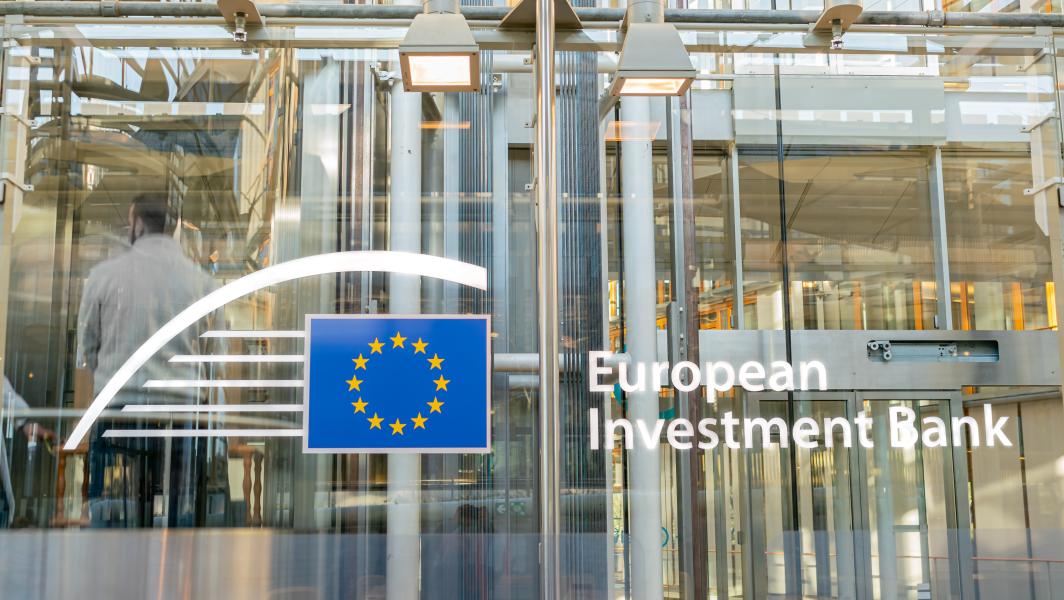
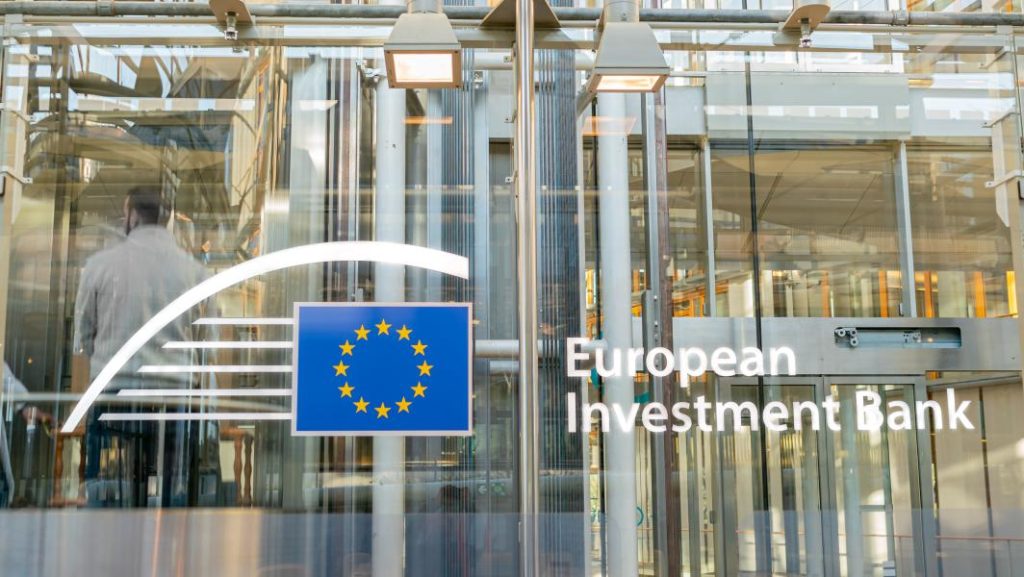
The EIB and WTO have signed an unprecedented agreement to turn trade policy into actual investment — starting with Africa. It’s the clearest signal yet that Europe is building its own alternative to China’s Belt and Road.
The European Investment Bank and the World Trade Organization have signed a first-of-its-kind partnership that could reshape how development finance flows into emerging markets — and how European businesses access them.
The Memorandum of Understanding, signed at this week’s EIB Group Forum in Luxembourg, pairs the EIB’s financial firepower with the WTO’s regulatory reform agenda. The goal is straightforward: help developing countries fix the investment frameworks that deter capital, then deploy European finance into the projects that follow.
The initial focus is Sub-Saharan Africa, targeting sectors that align with the EU’s Global Gateway strategy — green and digital transition, health, education and job creation. But the ambition extends well beyond a pilot programme.
How the partnership works
The agreement operates across three layers. First, the EIB and WTO will work with partner countries to assess regulatory barriers to investment and develop operational action plans identifying the specific reforms needed to unlock capital. Second, the EIB’s advisory arm will support project preparation, helping priority investments reach the stage where they can actually be financed. Third, EIB funding and blended finance instruments will be deployed to back those projects — with the explicit aim of crowding in additional private capital.
The structure is designed to solve the gap that has undermined development finance for decades: reform without capital achieves nothing, and capital without reform gets wasted.
A central pillar of the initiative is the Investment Facilitation for Development Agreement, concluded among more than three-quarters of WTO members. It establishes the first global rulebook for facilitating foreign direct investment by improving transparency, cutting red tape and making regulatory environments more predictable. The EIB partnership gives that agreement an operational engine.
Why now
The timing is deliberate. Global foreign direct investment flows remain well below the levels needed to meet development targets, and geopolitical fragmentation is accelerating. China’s Belt and Road Initiative has faced mounting criticism over debt sustainability, but Europe has been slow to offer a credible alternative at scale.
This partnership is the clearest attempt yet to change that. EIB Group President Nadia Calviño framed it in explicitly strategic terms, describing the agreement as contributing to partnerships based on mutual respect and shared prosperity — language that draws a pointed contrast with the debt-trap criticisms levelled at Chinese infrastructure lending.
WTO Director-General Ngozi Okonjo-Iweala was equally direct, highlighting the potential to unlock private investment in critical minerals, digital technologies and the bioeconomy. Those are not development buzzwords — they are the sectors where Europe’s supply chain vulnerabilities are most acute and where securing reliable trade relationships matters most.
The bigger picture
The EIB is simultaneously working on broader initiatives to promote EU exports and investments globally at more competitive prices. Combined with this week’s announcements on defence equity, tech sovereignty and expanded scaleup funding, the Forum has produced the most ambitious statement of European economic intent in years.
Whether the capital follows the ambition will determine if this is a turning point or another well-intentioned framework that stalls at implementation.
FAQ
What is the EIB-WTO Trade and Investment Facilitation Initiative? It is a new partnership between the European Investment Bank and the World Trade Organization designed to mobilise investment into developing countries, starting with Sub-Saharan Africa. The initiative combines regulatory reform support from the WTO with project preparation and financing from the EIB, targeting sectors including green transition, digital infrastructure, health and education. The aim is to fix the policy barriers that deter investment, then deploy European capital into viable projects.
How does the EIB-WTO deal differ from China’s Belt and Road Initiative? The partnership prioritises regulatory reform and private capital mobilisation rather than direct state-to-state lending. It is built around the WTO’s Investment Facilitation for Development Agreement, which emphasises transparency and predictable regulatory frameworks. Unlike Belt and Road projects, which have faced criticism over debt sustainability and opaque terms, the EIB model uses blended finance to crowd in private investment alongside public capital, aiming for commercially viable outcomes rather than sovereign debt accumulation.
The post Europe’s Development Bank Just Partnered With the WTO. Here’s Why It Matters for Global Trade appeared first on European Business & Finance Magazine.